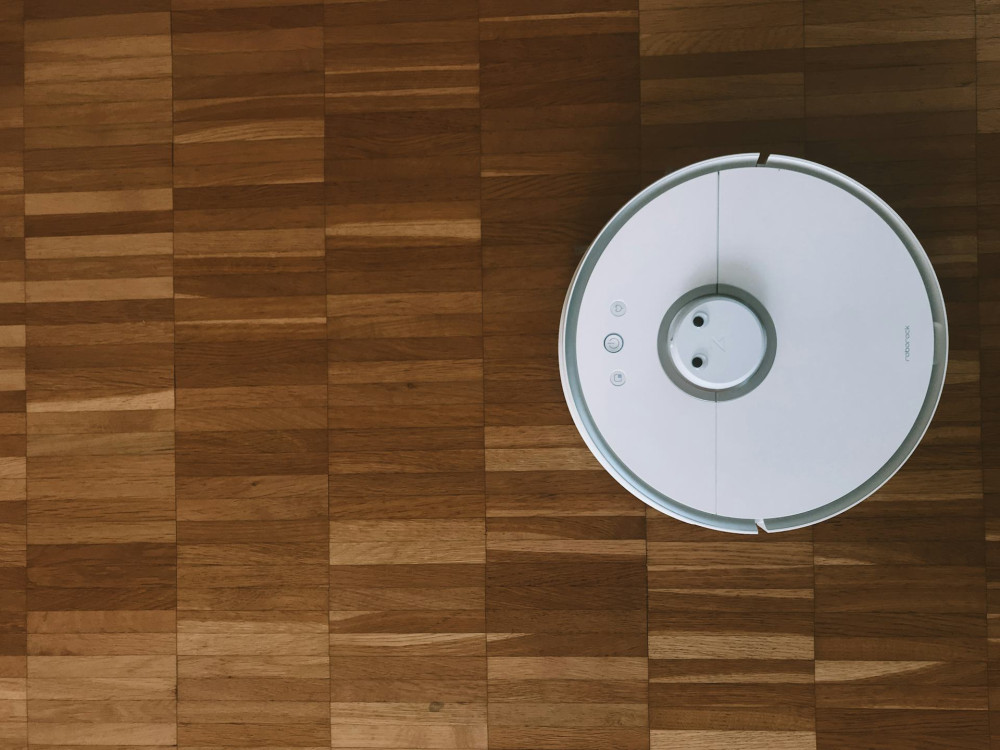
Energy Management in Practice: Integrate Smart Energy Solutions into Your Home

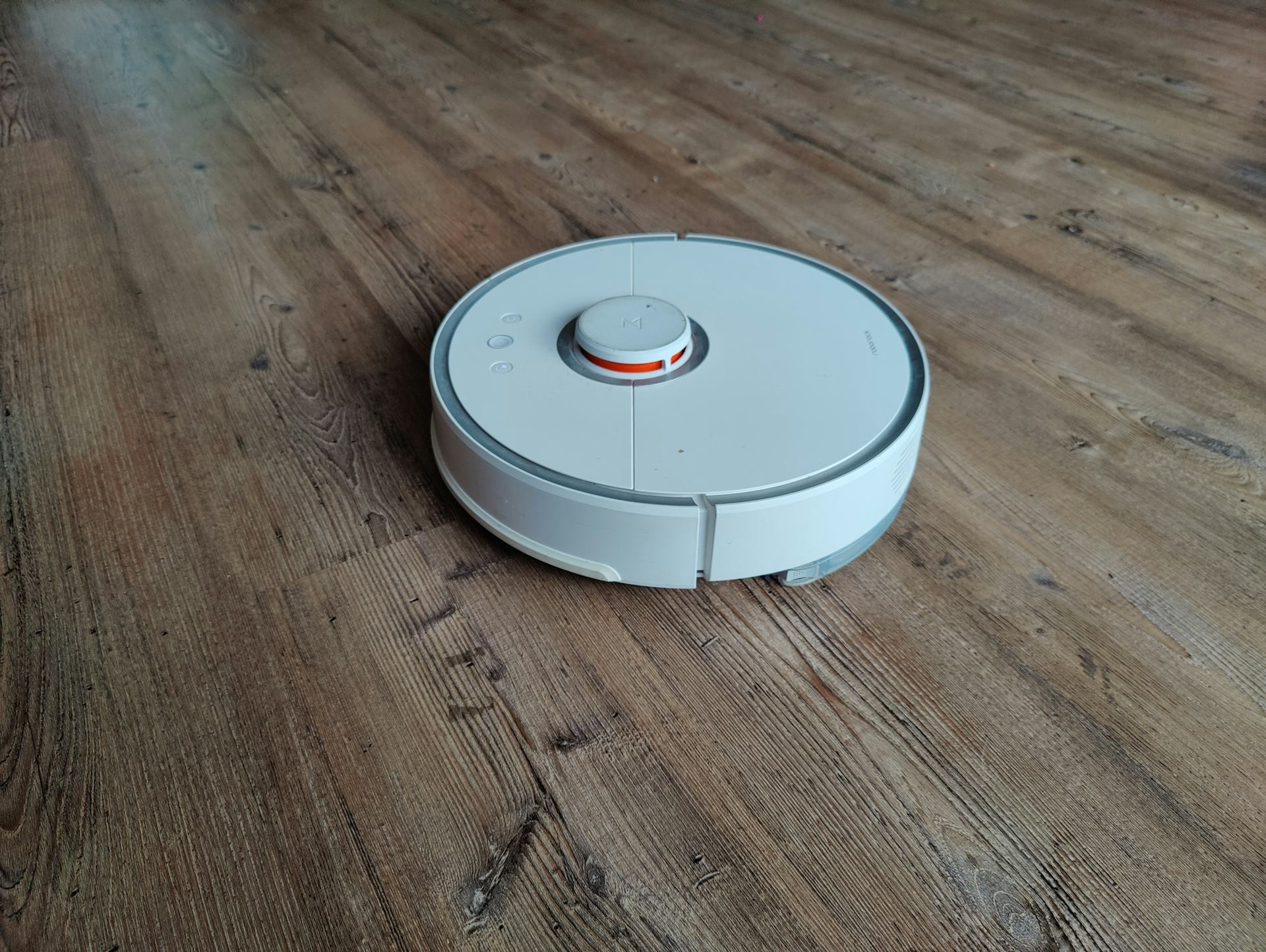
Energy Management in Practice: Integrate Smart Energy Solutions into Your Home
Energy management is no longer just about switching off the lights when you leave a room. With today’s technology, you can monitor, control, and optimise your energy use intelligently – all from your smartphone. Smart energy solutions help you save money, cut carbon emissions, and make your home more comfortable. Here’s a practical guide to integrating energy management into your everyday life.
What Is Energy Management – and Why Does It Matter?
Energy management covers the systems and habits that help you use energy more efficiently. This can include everything from smart thermostats and connected plugs to solar panels and real-time energy monitoring.
The goal is simple: use energy when it makes the most sense – and avoid waste. That means lower energy bills, less strain on the national grid, and a more sustainable home. Smart systems also give you insight into where your energy goes, helping you make better decisions.
Start with the Easy Wins
You don’t need to renovate your entire house to get started. Many smart energy solutions can be added step by step.
- Smart lighting: Replace traditional bulbs with LED smart bulbs that can be controlled via an app or voice assistant. You can set schedules, dim lights automatically, and switch everything off with one tap when you leave home.
- Smart thermostats: These learn your routines and adjust heating automatically. You can lower the temperature when you’re out and warm the house before you return.
- Smart plugs: These measure the energy use of individual devices and can switch them off completely when not in use – a simple way to eliminate standby consumption.
Small changes like these can quickly make a noticeable difference to both your bills and your comfort.
Monitor Your Usage – and Gain Insight
A key part of energy management is understanding your consumption. Many UK energy suppliers now offer apps that let you track your electricity use hour by hour. You can also go further with a home energy monitoring system that collects data from across your household.
Such systems show how much energy is used for heating, lighting, and appliances – and when demand peaks. With that knowledge, you can shift energy-intensive tasks like laundry or dishwashing to times when electricity is cheaper or when renewable generation is higher.
Integrate Renewable Energy
If you have solar panels, a heat pump, or a home battery, energy management can help you get the most out of them. A smart system can, for example:
- Charge your electric vehicle when your solar panels are producing the most power.
- Store excess electricity in a battery for use in the evening.
- Coordinate your heat pump to run when tariffs are lowest.
This way, your home becomes not just energy-efficient but an active part of the UK’s transition to clean energy.
Automate Your Everyday Life
When your systems communicate with each other, energy management becomes truly smart. With a smart home hub, you can control lighting, heating, ventilation, and appliances from one place. For example, you can:
- Create “Goodnight” or “Away” modes that turn off lights and lower the temperature automatically.
- Use motion or occupancy sensors to adjust energy use depending on whether anyone is home.
- Receive alerts if a device starts using unusually high amounts of power.
Automation makes it easier to save energy without sacrificing comfort.
Security and Privacy
Connecting more devices to the internet means you should also think about data security. Choose products from reputable manufacturers, keep software up to date, and use strong passwords. Check where your data is stored and who has access to it.
A secure system not only protects your personal information but also ensures your smart devices work reliably.
How to Get Started
- Assess your current energy use. Identify where most of your energy goes.
- Pick a focus area. Start with heating, lighting, or appliances.
- Set realistic goals. For example, aim to cut electricity use by 10% over six months.
- Expand gradually. Once you see results, add more smart devices.
- Review regularly. Use your data to fine-tune and improve your setup.
Energy management isn’t a one-off project – it’s an ongoing process where technology and habits work hand in hand.
Læs også:
The Future Home Is Smart – and Sustainable
Smart energy solutions aren’t just for tech enthusiasts. They’re tools for creating a more comfortable, economical, and environmentally friendly home. With the right systems, you can take control of your energy use – and contribute to a greener future.
It’s not about using less energy at any cost, but about using it more intelligently. And with the range of smart technologies available in the UK today, it’s easier than ever to get started.
Læs også: