Minor Electrical Problems? How to Fix Them Safely

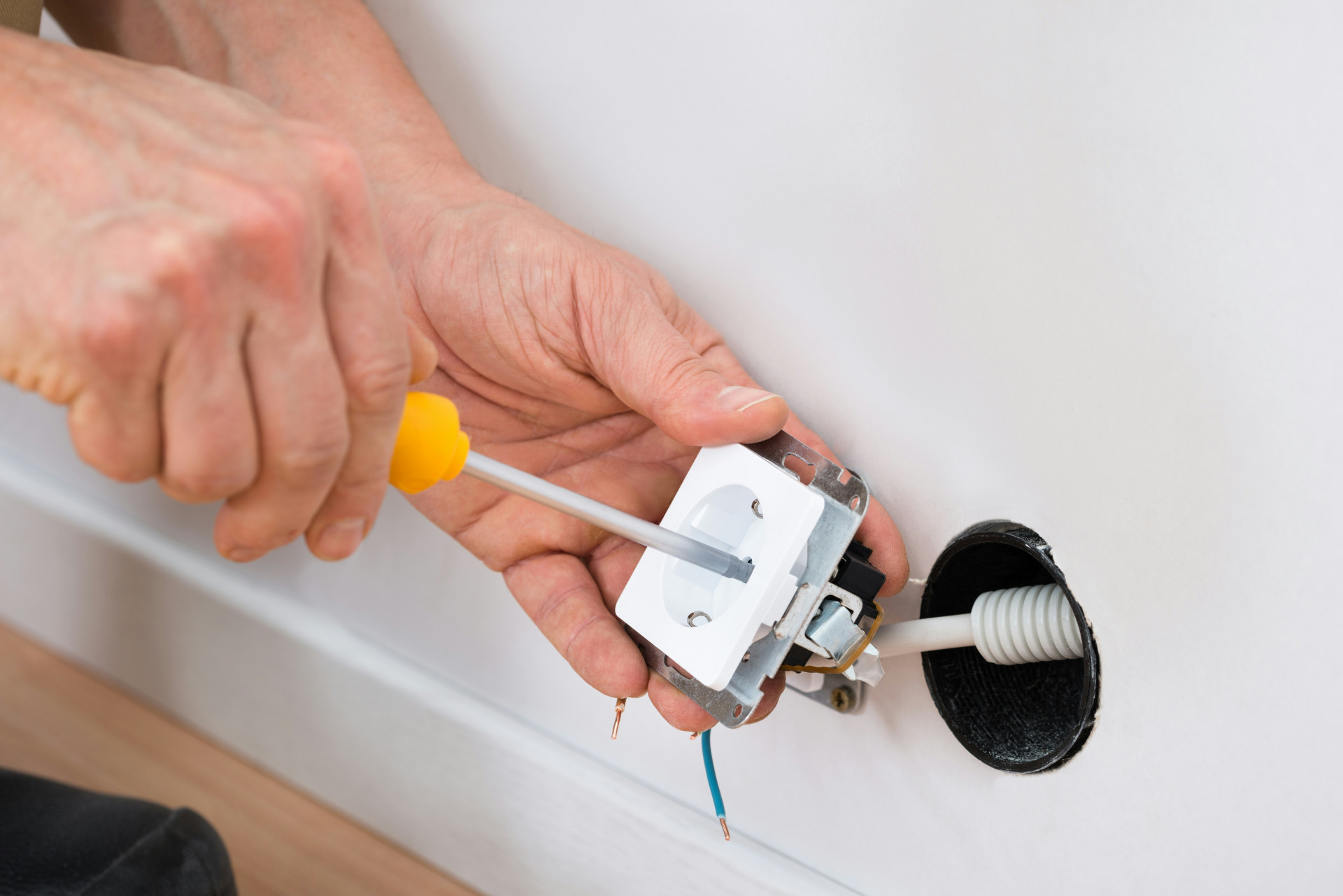
Minor Electrical Problems? How to Fix Them Safely
A flickering light, a socket that suddenly stops working, or a tripped fuse – small electrical issues can appear out of nowhere. Many of them can be sorted out safely at home, as long as you know what you’re doing and where the legal and safety limits lie. Electricity demands respect, and in the UK there are clear rules about what you can and cannot do yourself. Here’s a practical guide to dealing with common electrical problems – safely and sensibly.
Know Your Limits – and the Law
In the UK, electrical work is regulated by Part P of the Building Regulations. You’re allowed to carry out some minor tasks yourself, such as:
- Replacing light bulbs and fluorescent tubes.
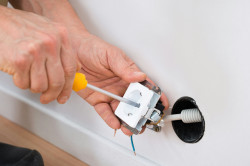
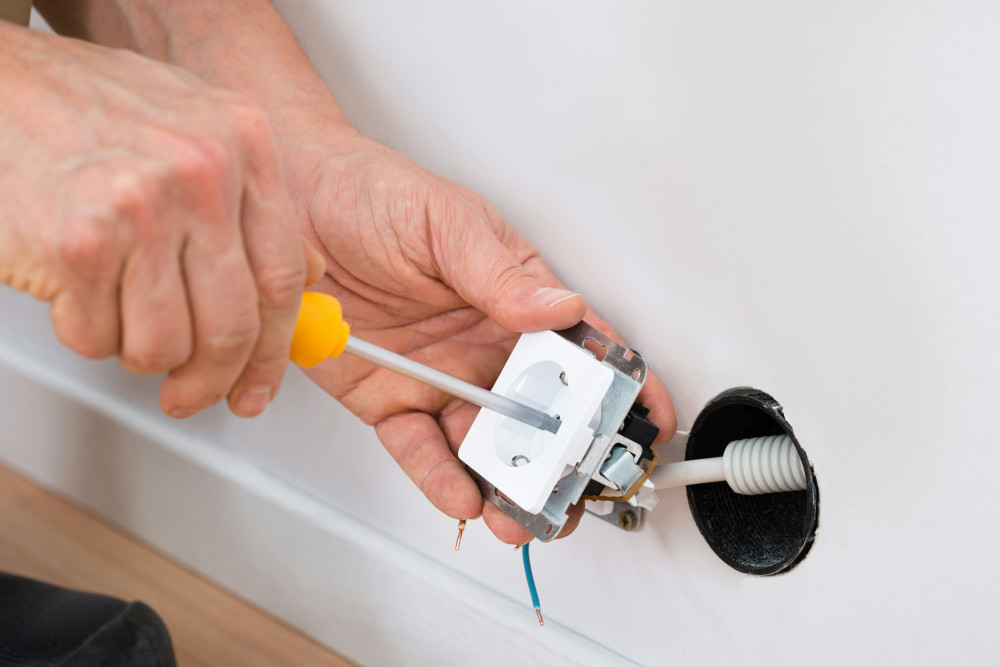
- Changing faceplates on sockets and switches.
- Fitting or removing light fittings, provided you’re not altering the wiring.
- Resetting circuit breakers or replacing fuses in a consumer unit.
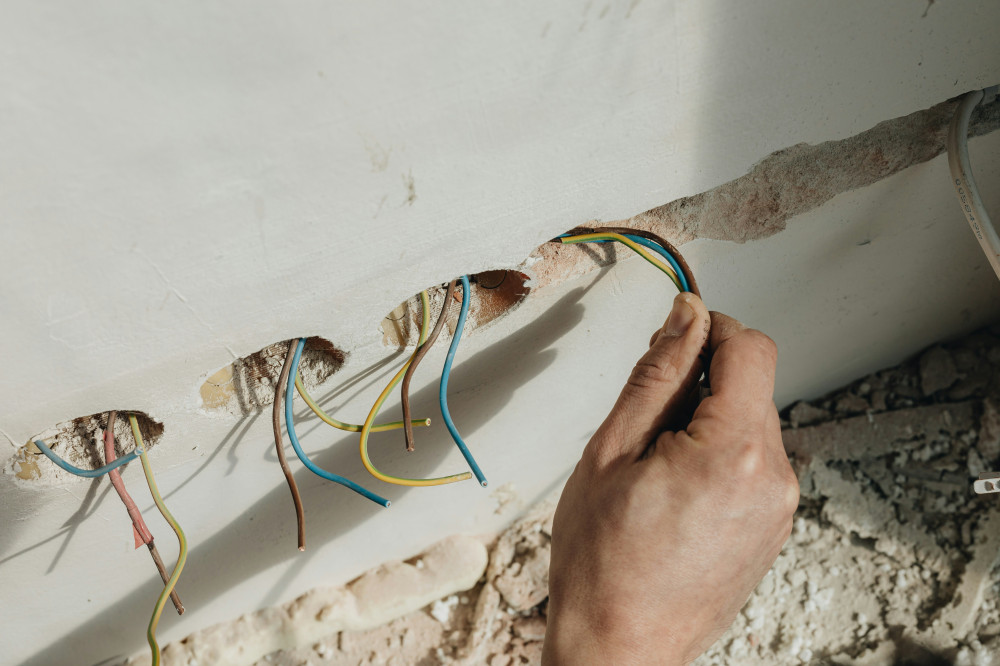
However, you must not install new sockets, run new wiring, or make changes to fixed installations unless you’re a qualified electrician registered with a competent person scheme (such as NICEIC or NAPIT). Doing unapproved work can be dangerous and may invalidate your home insurance.
When the Lights Flicker or Go Out
A flickering light can have several causes. Start by checking whether the bulb is properly screwed in or nearing the end of its life. LED bulbs can flicker if they’re not compatible with your dimmer switch – try a different bulb type if that’s the case.
If an entire room loses power, check your consumer unit (fuse box). A tripped circuit breaker can often be reset by switching it back on. If it trips again immediately, unplug all appliances on that circuit and try again. If the problem persists, there’s likely a fault in the wiring or an appliance – call an electrician.
When a Socket Stops Working
If a socket doesn’t work, test whether the issue lies with the socket or the appliance. Plug the appliance into another socket. If it works elsewhere, the original socket may be faulty.
Check whether the socket is protected by a Residual Current Device (RCD). If the RCD has tripped, reset it. If it trips again, there’s a fault in the circuit, and you should contact a professional. Never attempt to open or repair a socket yourself.
Fuses, Circuit Breakers and RCDs – Your First Line of Defence
Your home’s electrical system is designed to protect you from overloads and electric shock:
- Fuses and circuit breakers cut the power if too much current flows through a circuit.
- RCDs disconnect the power if they detect a fault current – for example, if electricity is leaking to earth or through a person.
Test your RCD a few times a year by pressing the test button. The power should cut off immediately. If it doesn’t, call an electrician – the device may be faulty.
Læs også:

Avoid Overloading and Fire Hazards
Many electrical problems start with overloaded circuits. Extension leads and multi-socket adaptors can easily become overloaded, especially when powering high-wattage appliances like heaters, kettles, or hairdryers.
Use extension leads with surge protection and never daisy-chain multiple leads together. Make sure cables aren’t trapped under furniture or rugs, as this can damage insulation and increase fire risk. Always unplug appliances when not in use.
When to Call an Electrician
Call a qualified electrician immediately if you notice:
- Repeated tripping of breakers or RCDs.
- Burning smells or scorch marks near sockets or switches.
- Warm or buzzing sockets.
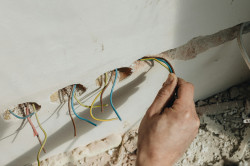
- Visible sparks or damaged wiring.
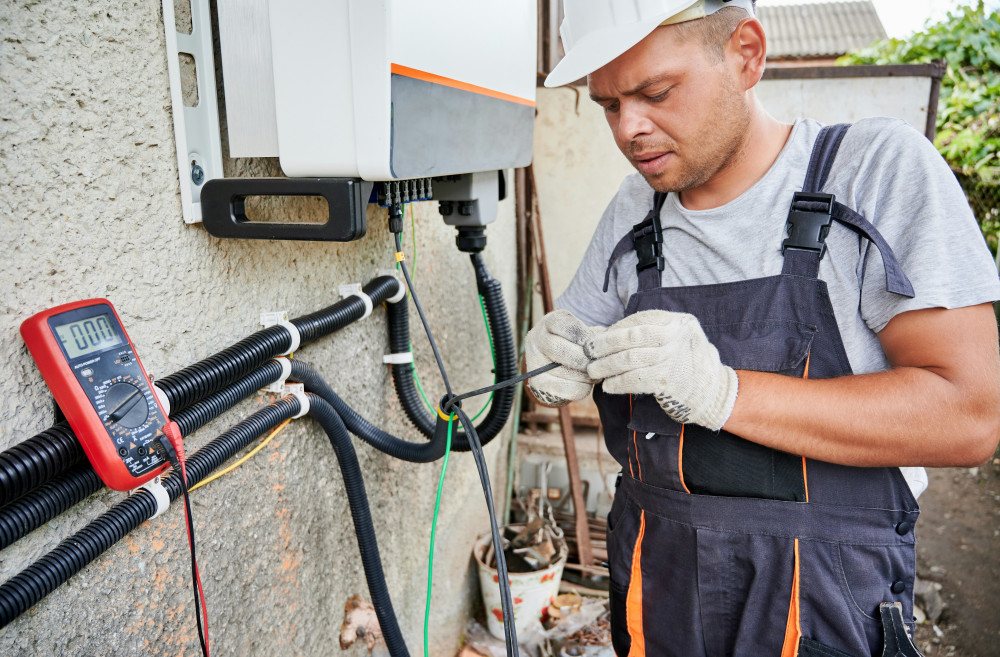
You should also hire a professional for any new installations, outdoor lighting, or hard-wired appliances such as ovens or showers. A registered electrician will ensure the work meets UK safety standards and provide the necessary certification.
Prevention: Small Habits, Big Difference
You can prevent many electrical issues with a few simple habits:
- Switch off and unplug devices when not in use.
- Keep chargers and power supplies uncovered to prevent overheating.
- Use only UKCA or CE-marked electrical products.
- Have your wiring inspected if your home is more than 25 years old.
A periodic inspection by a qualified electrician can identify worn cables, loose connections, and outdated installations before they become dangerous.
Safety First – Always
Minor electrical problems might seem harmless, but electricity is never something to take lightly. With a bit of knowledge and care, you can handle the simple tasks yourself – and know when it’s time to call in the experts. The key is always to put safety first. That way, you’ll protect both your home and yourself from unnecessary risks.
Læs også: