Autumn Cleaning: How to Get Your Patio Ready for Winter

Autumn Cleaning: How to Get Your Patio Ready for Winter
As the days grow shorter and the air turns crisp, it’s time to think about your patio. Autumn is the perfect season to give it a thorough clean and prepare it for the cold, wet months ahead. A well-maintained patio not only looks better but also lasts longer and makes spring cleaning much easier. Here’s a step-by-step guide to getting your patio ready for winter.
Start with a Good Clear-Up
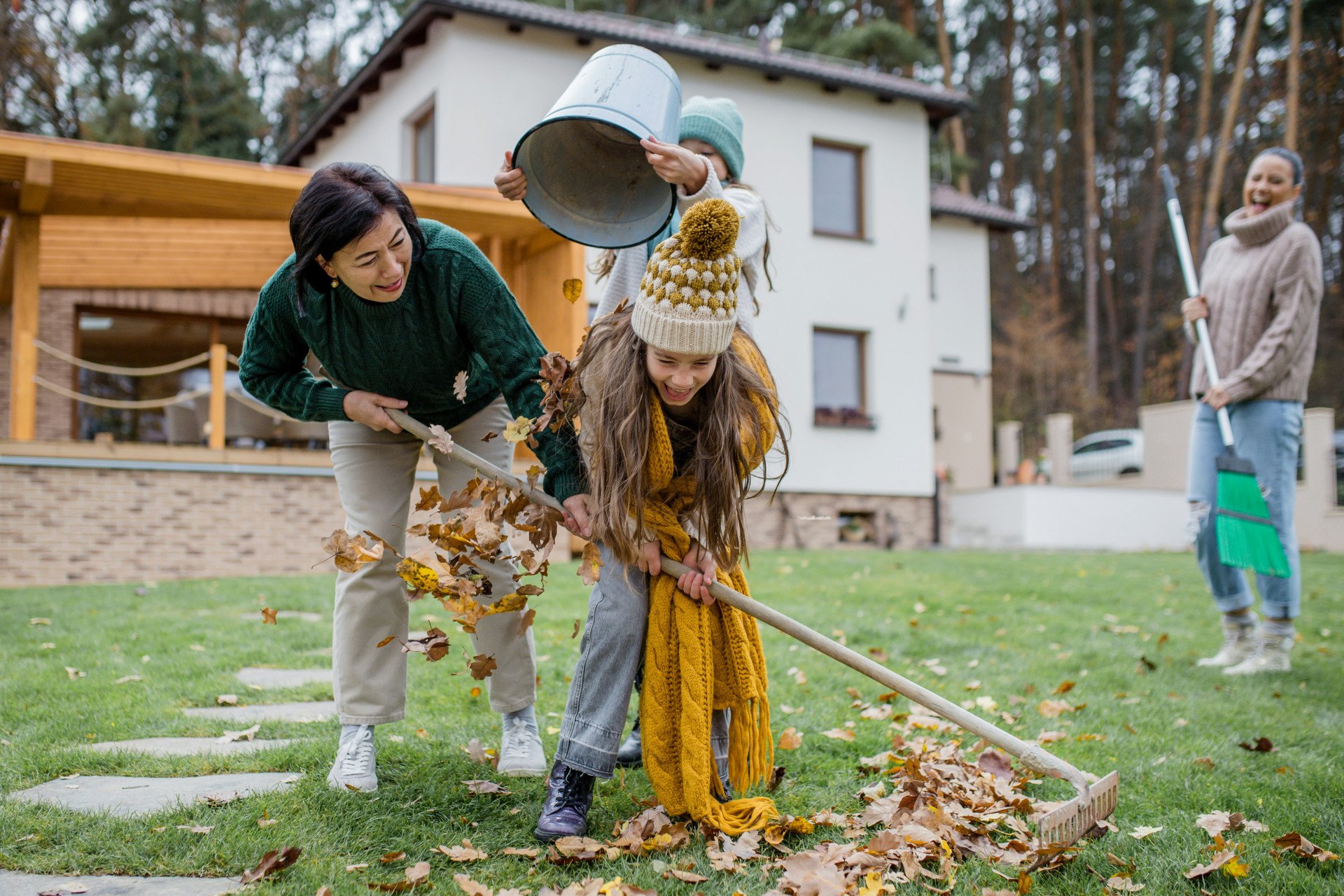
Before you begin cleaning, clear the patio of furniture, pots, and decorations. Sweep away leaves, twigs, and debris to get a clear view of the surface. Fallen leaves and damp dirt can quickly lead to algae and staining if left too long.
While you’re at it, check for any signs of damage—cracked slabs, loose paving stones, or worn joints. It’s best to fix these now before frost and moisture make them worse over winter.
Læs også:


Clean According to the Material
The best cleaning method depends on what your patio is made of.
-
Wooden decking: Use a soft brush and a mild wood cleaner. Scrub along the grain and rinse with clean water. Avoid using a pressure washer, as it can damage the surface and open up the wood fibres. Once dry, apply a light coat of decking oil or sealant if the weather allows—it helps protect against moisture and frost.
-
Stone or concrete slabs: A stiff broom and a mix of water and patio cleaner will do the trick. Pay special attention to moss and algae in the joints. If you use a pressure washer, keep the pressure low and the nozzle at a distance to avoid washing away jointing sand.
-
Composite decking: Composite materials are low-maintenance but still benefit from a wash with warm water and a mild detergent. Avoid harsh chemicals or abrasive cleaners that could scratch the surface.
Remove Moss and Algae
Autumn’s damp conditions are ideal for moss and algae growth, which can make your patio slippery and unsightly. Use an algae remover or a homemade solution of vinegar and water. Apply it to a dry surface, let it sit for a while, then rinse thoroughly.
To prevent regrowth, make sure your patio gets as much sunlight and airflow as possible. Trim back overhanging branches and nearby shrubs so the surface can dry quickly after rain.
Look After Your Garden Furniture
Once the patio is clean, turn your attention to your outdoor furniture. Clean it before storing it away for winter. Wooden furniture can be treated with oil or wood preserver, while plastic and metal pieces just need a good wash and thorough drying.
If you have space, store furniture in a shed or garage. If not, cover it with a breathable furniture cover that keeps out moisture but allows air to circulate.
Protect Pots and Plants
Frost can crack pots and damage tender plants. Empty pots that won’t be used over winter, or move them into a sheltered spot such as a greenhouse or shed. Perennial plants in pots can be wrapped in bubble wrap or hessian to protect their roots from freezing temperatures.
Don’t forget to empty saucers and trays under pots—standing water can freeze and cause cracks.
Check Drains and Gutters
While you’re in cleaning mode, take a moment to check your drains and gutters. Fallen leaves and debris can block them, causing water to pool on your patio and lead to damp or frost damage. Clear them out so rainwater can flow freely away from your home.
Ready for Winter—and Spring
Once your patio is clean, algae-free, and your furniture and plants are safely stored, you’re ready for whatever winter brings. A bit of effort now will save you time and trouble in spring—and help your patio stay in great condition for years to come.
So take advantage of a bright autumn afternoon, roll up your sleeves, and give your patio the care it deserves. It’s a small investment in both appearance and durability.
Læs også: