Refresh Your Woodwork Without Starting from Scratch


Refresh Your Woodwork Without Starting from Scratch
Outdoor woodwork in the UK faces a constant battle against rain, frost, and the occasional burst of sunshine. Over time, paint fades, surfaces become rough, and the colour loses its warmth. But that doesn’t mean you have to strip everything back and start again. With the right approach, you can revive your woodwork quickly and effectively – and keep it looking great for years to come.
Assess the Condition
Before you pick up a brush, take a good look at the woodwork to see what it really needs. Check for:
- Peeling or cracking paint – if large areas are flaking, you may need to sand more thoroughly.
- Discolouration or algae – green or dark patches can often be removed with cleaning.
- Soft or rotten wood – no amount of paint will fix this; it needs replacing.
If the surface is generally sound but just looks dull, a light refresh will usually do the trick.
Clean Thoroughly – It’s Half the Job
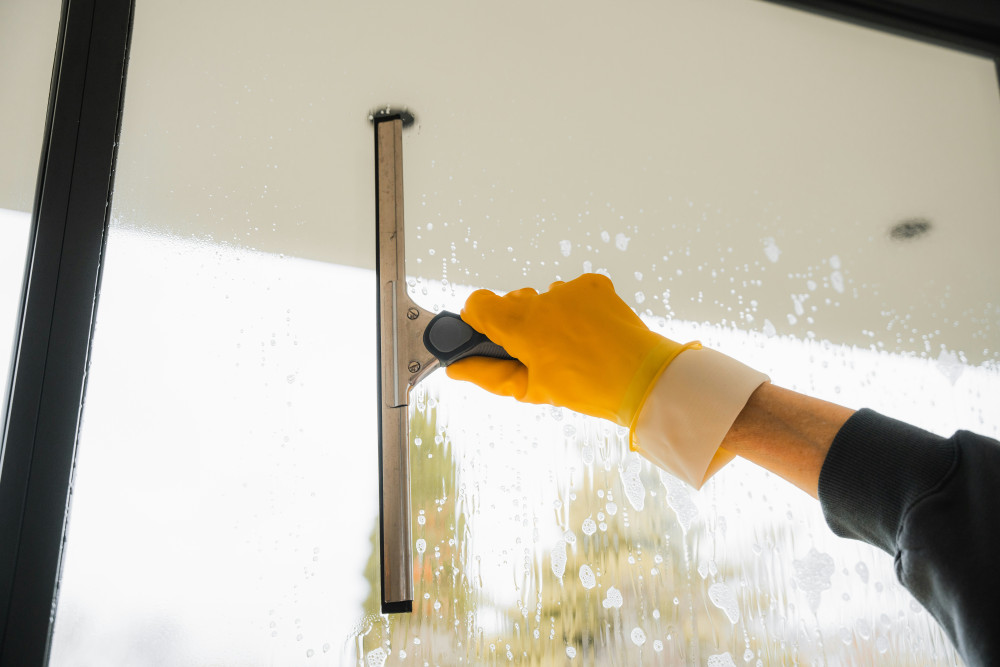
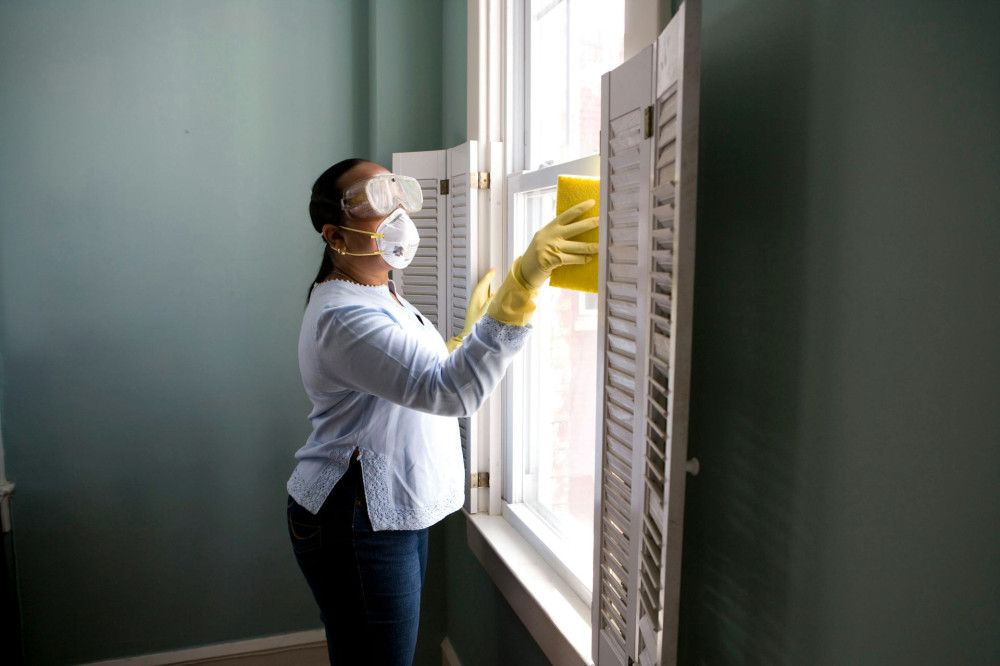
A clean surface is essential for any new finish to adhere properly. Use a soft brush and a mild wood cleaner or a solution of warm water and detergent. Rinse with clean water and allow the wood to dry completely before moving on.
Avoid using a pressure washer too close to the surface – it can damage the wood fibres and make the timber more vulnerable to moisture.
Light Sanding Brings Back Life
Once the wood is dry, give it a light sanding with fine sandpaper (around 120–180 grit). This removes small imperfections and opens up the surface so the new coating bonds better. You don’t need to sand back to bare wood if the existing paint or stain is still sound.
Wipe away the dust with a damp cloth before applying any finish.
Choose the Right Treatment
The best treatment depends on the type of woodwork and how it’s been treated before.
- Paint provides a solid, weather-resistant finish. Stick with the same type as before – for example, water-based or oil-based exterior paint.
- Wood stain or preservative can be either opaque or semi-transparent, highlighting the natural grain while protecting against the elements.
- Oil is ideal for garden furniture, decking, or other areas where you want a natural look and feel.
If you’re unsure, test your chosen product on a small, inconspicuous area first.
Læs også:


Apply with Care
Apply paint, stain, or oil in thin, even coats – two thin layers are better than one thick one. Use a good-quality brush and work along the grain of the wood. Avoid painting in direct sunlight or when the wood is damp, as this can cause uneven drying and poor adhesion.
Allow each coat to dry fully according to the manufacturer’s instructions before applying the next.
Keep Up the Maintenance
Once your woodwork looks fresh again, a little regular care will keep it that way. Give it a gentle clean once a year and check for early signs of wear. A quick touch-up before damage sets in will save you a lot of work later on.
Small Effort, Big Difference
It doesn’t take much to make tired woodwork look new again. A fresh coat of paint, a revived sheen, or even just a thorough clean can transform your outdoor spaces. The key is to preserve what’s already there and give it a lift – rather than starting from scratch.
Læs også: