Colours and Shapes in Harmony: Create a Calm Kitchen Environment

Colours and Shapes in Harmony: Create a Calm Kitchen Environment
The kitchen is often the heart of a British home – a place where we cook, chat, and gather with family or friends. It’s where mornings begin and evenings wind down, so the atmosphere matters more than we might think. A calm kitchen isn’t just about tidiness or practicality; it’s about how colours, shapes, and materials work together to create balance. Here’s how you can design a kitchen that feels peaceful, welcoming, and timeless.
Colours that Bring Calm
Colour has a powerful effect on how we feel. In a space that’s both busy and social, choosing tones that soothe the senses can make all the difference.
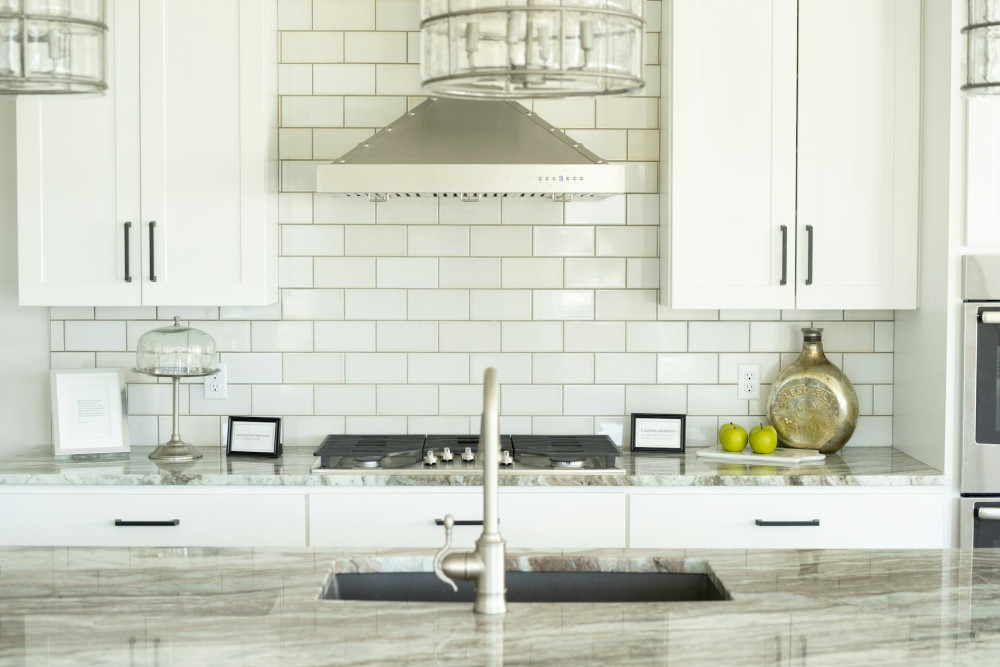
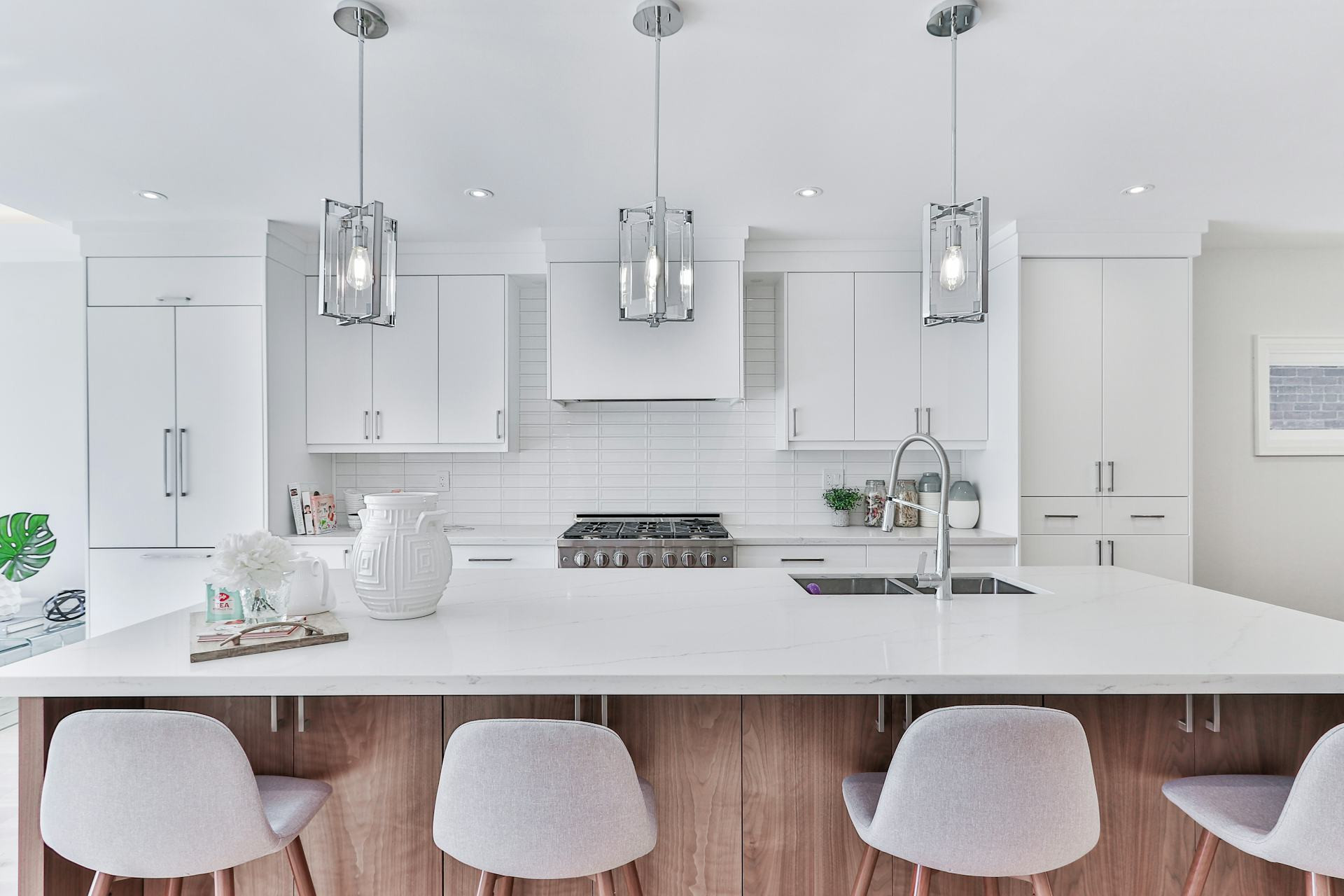
- Soft neutrals such as white, cream, and light grey create a clean, airy look. They reflect light beautifully, making even small kitchens feel more spacious.
- Muted greens and blues evoke nature and calmness – perfect for a relaxed, coastal or countryside feel.
- Warm earthy tones like clay, taupe, or soft terracotta add depth and comfort, especially when paired with natural wood or stone.
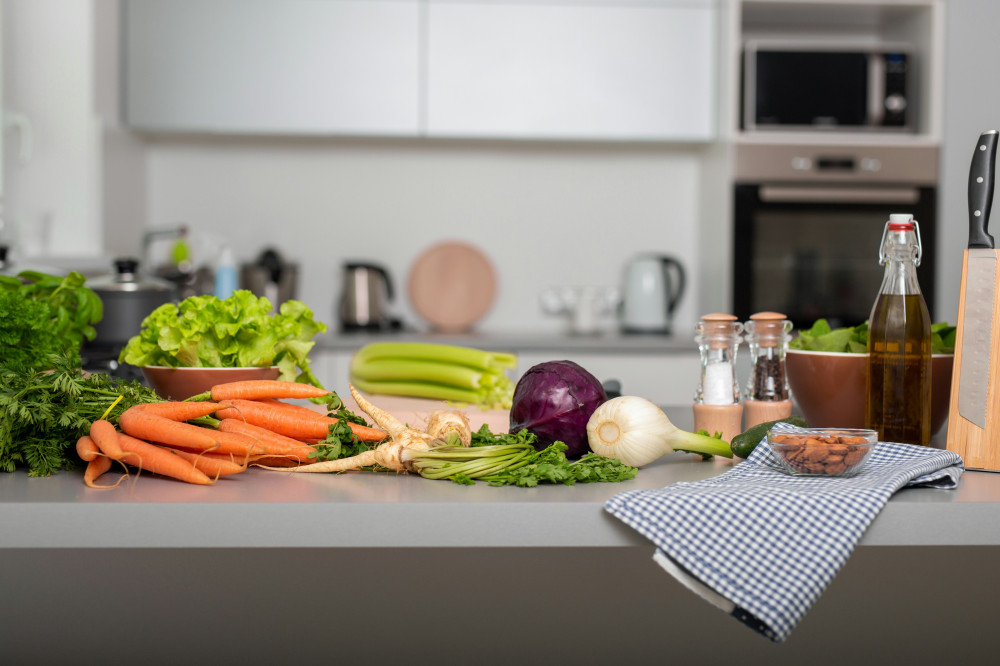
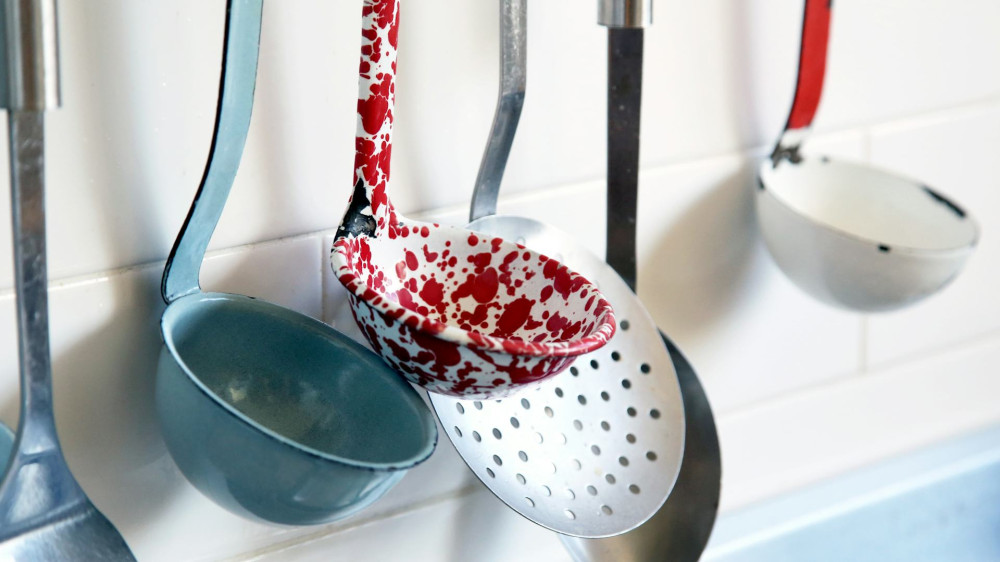
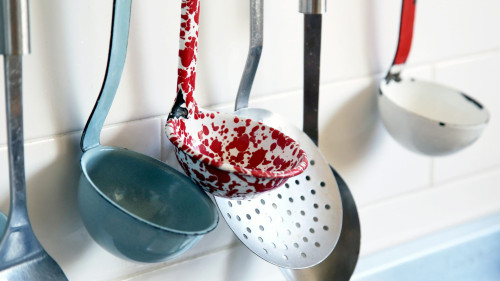
If you’d like a touch of vibrancy, introduce colour through accessories – a ceramic bowl, patterned tea towels, or a few potted herbs on the windowsill. These small details add personality without overwhelming the space.
Balancing Shapes and Lines
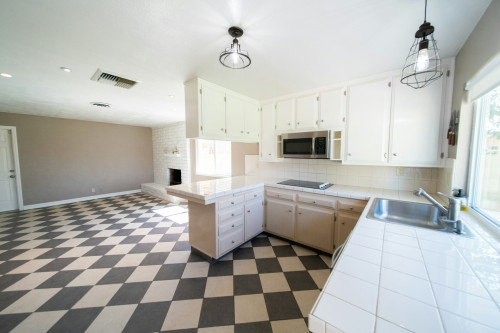
Harmony in the kitchen also depends on how shapes and lines interact. Too many sharp edges or contrasting forms can feel restless, while gentle curves and repetition create visual calm.
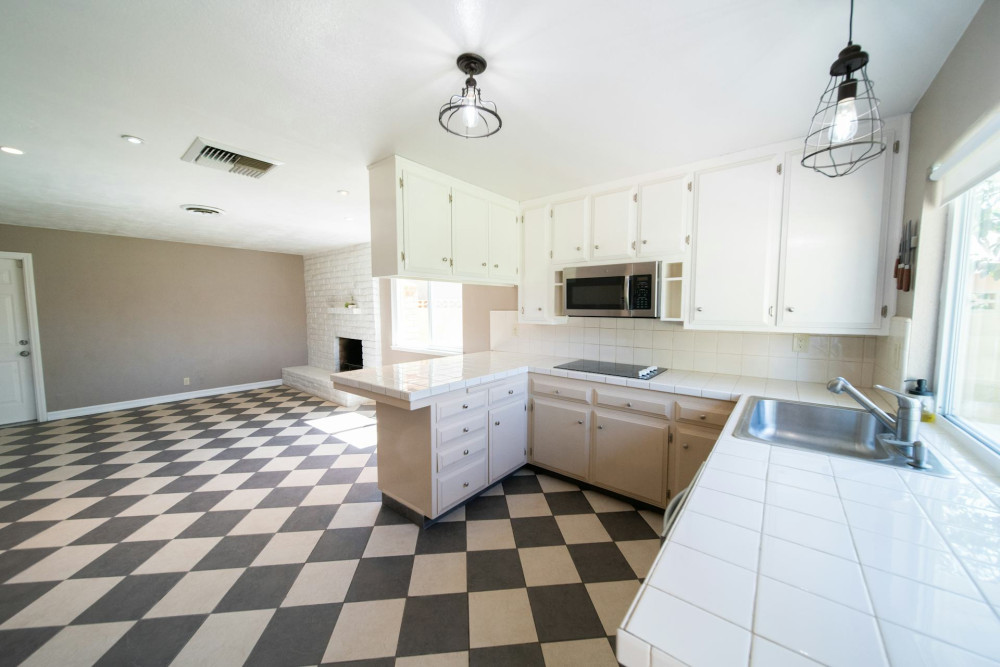
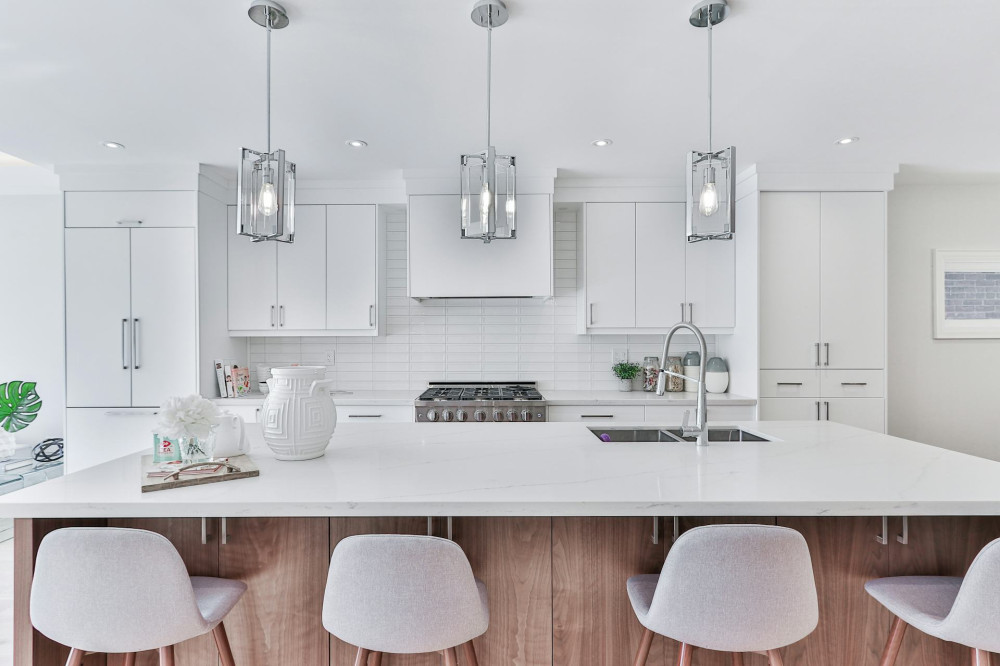
- Repeat shapes – for instance, round handles, pendant lights, and bowls can soften a kitchen with strong rectangular lines.
- Keep lines simple – avoid mixing too many materials or patterns. A consistent look helps the eye rest.
- Create rhythm – echo colours or textures in different parts of the room to tie everything together.
Even a small detail, like a curved vase on a square table, can subtly balance the overall design.
Natural Materials for Warmth
The materials you choose have a huge impact on the kitchen’s mood. Surfaces that look and feel natural bring warmth and tranquillity.
- Wood adds life and texture, whether used for worktops, shelving, or flooring.
- Stone and ceramics provide a sense of stability and calm, especially in matte finishes.
- Textiles such as linen or cotton can soften the look – think seat cushions, curtains, or table runners.
Try not to combine too many glossy or metallic surfaces at once, as they can make the space feel cold or cluttered.
Lighting that Sets the Mood
Lighting is key to how a kitchen feels. It needs to be both practical and atmospheric.
- Layer your lighting – combine ceiling lights with under-cabinet strips and small lamps on shelves or counters.
- Choose warm light rather than cool white bulbs to create a more inviting glow.
- Make the most of daylight – keep windows clear of heavy curtains and let natural light flow in.
A well-lit kitchen feels more open, comfortable, and welcoming at any time of day.
Simplicity and Order as the Foundation of Calm
Even the most beautiful colour palette loses its effect if the space feels cluttered. Calm begins with order.
- Give every item a designated place.
- Use open shelving thoughtfully – display only what adds to the overall harmony.
- Regularly clear out what you no longer use.
When surfaces are clear and there’s space between objects, the room feels lighter and more balanced.
Læs også:

A Kitchen that Encourages Connection
Ultimately, a calm kitchen is about more than design – it’s about creating a space where you enjoy spending time. When colours, shapes, and materials work together in harmony, the result is a kitchen that invites conversation, creativity, and comfort. It becomes not just a place to cook, but a place to slow down, connect, and feel at home.
Læs også: