Safe Sleep: Create a Secure Sleeping Environment with Focus on Air, Temperature and Position


Safe Sleep: Create a Secure Sleeping Environment with Focus on Air, Temperature and Position
A good night’s sleep is about more than a comfortable bed and a calming bedtime routine. The physical environment plays a crucial role in both sleep quality and safety – especially for babies and young children. Air quality, temperature and bed position are three key factors that together create the foundation for safe and healthy sleep. Here’s how to design a sleeping space that feels comfortable, supports rest, and keeps everyone safe.
Fresh Air for Peaceful Sleep
A well-ventilated bedroom makes it easier to fall asleep and stay asleep. Stale or stuffy air can lead to restlessness, headaches and poor-quality sleep. Regularly refreshing the air helps maintain a healthy atmosphere.
- Air the room for 5–10 minutes before bedtime to let in fresh air without making the room too cold.
- Avoid leaving windows open all night during colder months, as draughts can disturb sleep and lower the temperature too much.
- Keep humidity between 40 and 60 per cent to prevent the air from becoming too dry or too damp.
If your home has limited ventilation, consider using a small air purifier or ensuring trickle vents are open to keep the air clean and free from dust and allergens.
The Right Temperature – Not Too Hot, Not Too Cold
Room temperature has a big impact on how well the body can relax. For most adults, the ideal sleeping temperature is between 16 and 20°C. For babies, experts such as the NHS recommend keeping the room around 16–20°C to reduce the risk of overheating.
A few simple steps can help you find the right balance:
- Choose bedding suitable for the season – a lighter duvet in summer and a warmer one in winter.
- Avoid too many layers or heavy blankets; the body needs to release heat during sleep.
- Make sure radiators or heaters are not positioned too close to the bed.
If you wake up feeling sweaty or chilly, it’s a sign that the temperature needs adjusting. Small changes can make a big difference to comfort and sleep quality.
Læs også:

Bed Position – Comfort and Safety First
Where you place the bed affects both comfort and safety. For adults, it’s often about creating a calm, balanced space. For babies and young children, it’s also about reducing risks and ensuring a safe environment.
- Keep the bed away from direct sunlight or heat sources, which can make it too warm.
- Avoid placing the bed directly under windows or near doors, where draughts can occur.
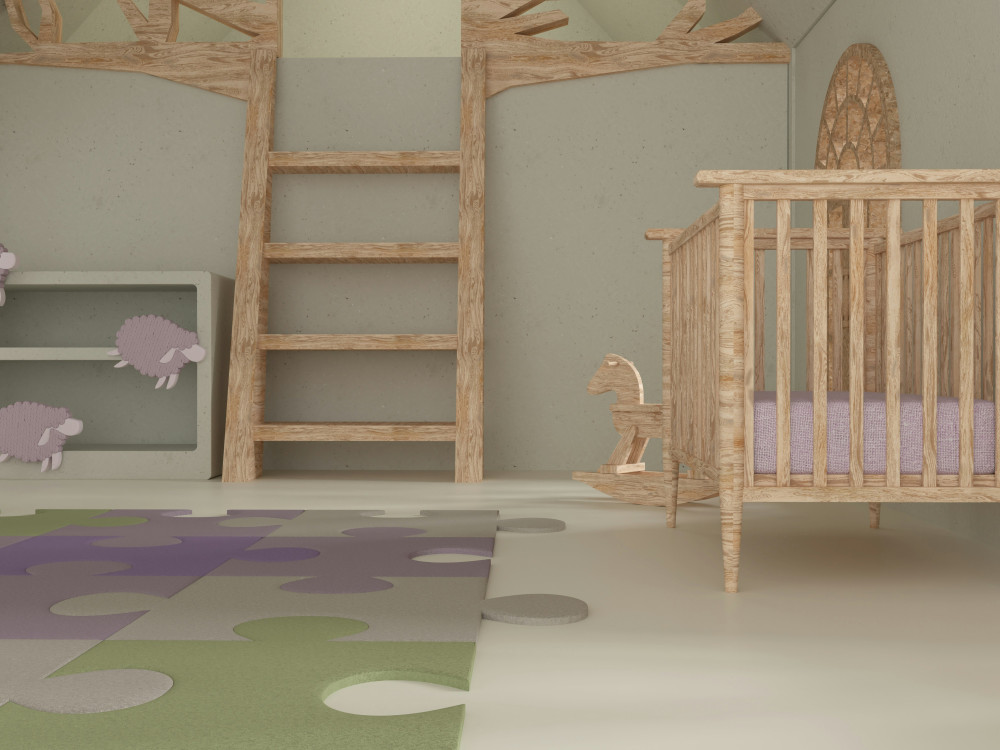
- Keep the sleeping area clear of loose items – for babies, that means no pillows, soft toys or thick blankets that could cover the face.
- Babies should always be placed on their backs to sleep, on a firm, flat mattress with a fitted sheet and no soft bedding.
For adults, positioning the bed so you can see the door without being directly in line with it can create a sense of calm and security in the room.
A Healthy Sleep Environment for the Whole Family
A safe sleeping environment isn’t just about preventing accidents – it’s about creating the best conditions for rest and recovery. When air quality, temperature and bed placement work together, the body can relax more deeply, and sleep becomes more restorative.
It’s a good idea to review your sleeping environment a few times a year, especially when the seasons change. Small adjustments to bedding, ventilation or room layout can have a big impact on both comfort and safety.
Safety Starts with the Small Details
Creating a safe sleep environment doesn’t require major changes or expensive equipment – it’s about paying attention to the details. Fresh air, the right temperature and thoughtful bed placement are simple but powerful steps towards better sleep and greater peace of mind.
By prioritising a healthy sleeping environment, you’re not just improving your nights – you’re investing in the wellbeing of your whole family.
Læs også: