Air in the Radiators: Signs of Problems and Possible Solutions

Air in the Radiators: Signs of Problems and Possible Solutions
If your home doesn’t heat evenly and some radiators feel cold at the top, it could be a sign that there’s air trapped in your heating system. Air in radiators is a common issue in British homes, especially during the colder months when central heating is in constant use. While it’s rarely serious, it can affect both comfort and energy efficiency. Here’s how to recognise the problem, understand why it happens, and what you can do to fix it.
How to Spot Air in Your Radiators
There are several clear signs that air might be trapped in your heating system:
- Cold at the top, warm at the bottom. This is the most common symptom. Air collects at the top of the radiator, preventing hot water from circulating properly.
- Gurgling or bubbling noises. When air moves through the pipes, you may hear these sounds, especially when the heating first comes on.
- Uneven heating around the house. Some rooms may heat up quickly while others stay cool, even if the thermostatic radiator valves are set the same.
- Higher energy bills. When the system isn’t running efficiently, your boiler has to work harder to reach the desired temperature.
If you notice one or more of these signs, it’s worth checking your radiators and bleeding them if necessary.
Why Does Air Get into the System?
Air can enter your central heating system for several reasons:
- Refilling the system. When water is added to the system, small air bubbles can get trapped.
- Leaks. Even tiny leaks in joints or valves can allow air to be drawn in over time.
- Natural release of gases. Water contains dissolved oxygen, which is released as the water heats up, forming air pockets.
- Older systems. Older heating systems may lack automatic air vents, making trapped air more common.
Understanding the cause can help prevent the problem from returning soon after you’ve bled the radiators.
How to Bleed Your Radiators
Bleeding radiators is a simple task that most homeowners can do themselves. You’ll need a radiator key, a cloth, and possibly a small container to catch any water.
- Turn off the heating. It’s best to bleed radiators when the system is cool to avoid hot water spraying out.
- Locate the bleed valve. It’s usually at the top of the radiator, opposite the thermostatic valve.
- Insert the radiator key and turn slowly. Turn the key anti-clockwise until you hear a hissing sound – that’s the air escaping.
- Wait until water flows steadily. Once a steady stream of water comes out, close the valve tightly.
- Check the boiler pressure. After bleeding, the pressure may drop. It should usually be between 1 and 2 bar. If it’s too low, top up the system using the filling loop.
Repeat this process for all radiators, starting with the one closest to the boiler and working your way around the house.
When to Call a Professional
Although bleeding radiators usually solves the problem, there are times when it’s best to get professional help:
- If you need to bleed the radiators frequently, it could indicate a leak or a fault in the system.
- If the pressure drops quickly, even after topping up the water.
- If you have underfloor heating, which requires specialist equipment to remove air.
- If you still experience noise or uneven heating after bleeding.
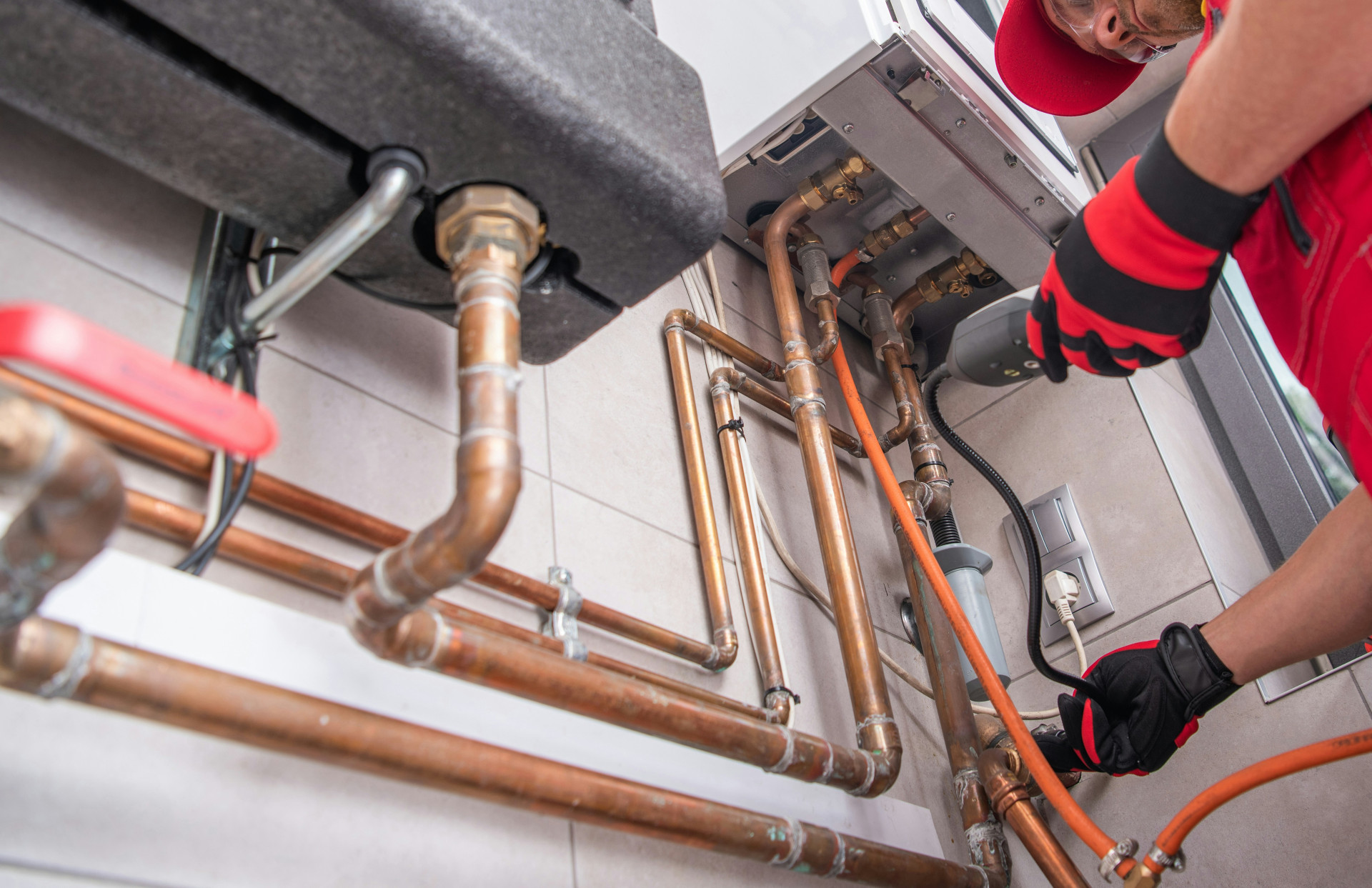
A qualified heating engineer can inspect the system, repair leaks, and ensure everything is working efficiently.
Preventing Air in the Future
While you can’t completely eliminate the risk of air in your radiators, you can reduce it with a few simple steps:
- Check the pressure regularly. A stable pressure reading is a good sign that the system is sealed properly.
- Book an annual boiler service. A professional inspection can catch small issues before they become bigger problems.
- Install an automatic air vent. This device releases trapped air automatically and can be a worthwhile upgrade for older systems.
- Refill the system carefully. When topping up water, do it slowly to minimise the introduction of air bubbles.
By following these tips, you can keep your heating system running smoothly and efficiently.
A Small Effort for a Warmer Home
Air in radiators is one of those small household issues that’s easy to overlook but also easy to fix. A quick bleed can make a noticeable difference to both comfort and energy use. With a bit of regular maintenance and attention, you can keep your home warm and your heating system in top condition throughout the winter.