Balance in the Home: How to Create Harmony Between Open and Closed Spaces

Balance in the Home: How to Create Harmony Between Open and Closed Spaces
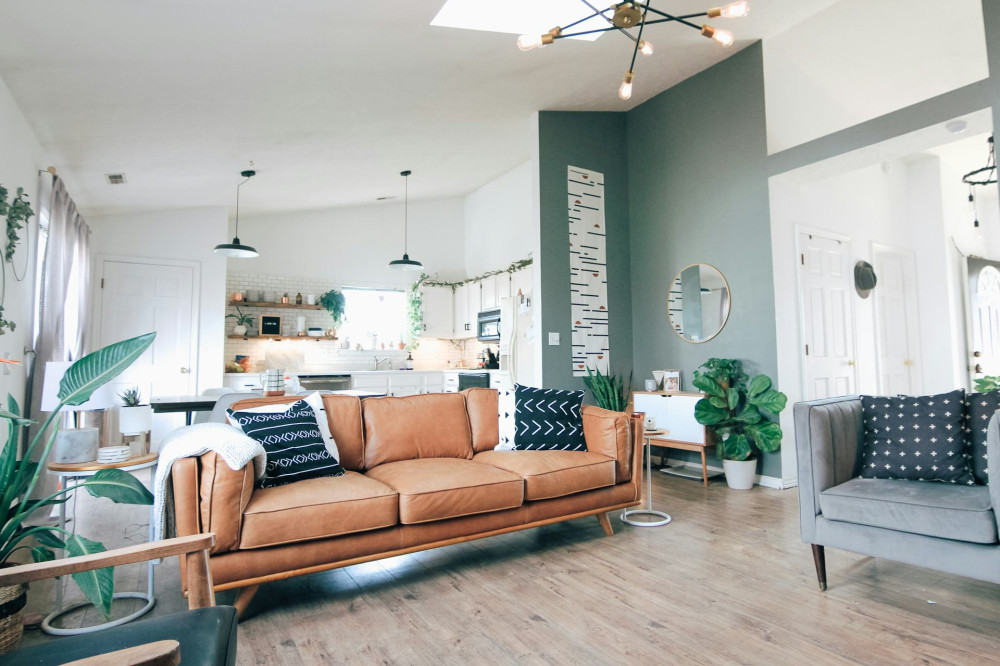
In many British homes, open-plan living has become increasingly popular. Knocking down walls to combine the kitchen, dining, and living areas creates a sense of space, light, and togetherness. Yet, this openness can also bring challenges – noise travels easily, clutter spreads quickly, and privacy can be hard to find. On the other hand, too many enclosed rooms can make a home feel cramped and disconnected. The key lies in finding the right balance between open and closed spaces – so your home feels both spacious and calm.
Here’s how to create harmony between openness and intimacy in your home.
Understand How You Use Your Space
Before you start moving walls or rearranging furniture, take time to think about how you actually live in your home. An open kitchen-diner might be perfect for family life and entertaining, but you may also need a quiet corner for working from home or reading. A separate study offers focus, but can feel isolating if you spend all day there.
Make a simple map of your daily activities – where you cook, relax, work, and socialise. Understanding when you need connection and when you need quiet will help you design a layout that truly fits your lifestyle.
Create Zones Within Open Areas
An open-plan space doesn’t have to feel like one big, undefined room. You can create subtle zones that bring order and comfort without losing the sense of flow.
- Use furniture as dividers – a sofa, bookcase, or kitchen island can mark the transition between areas.
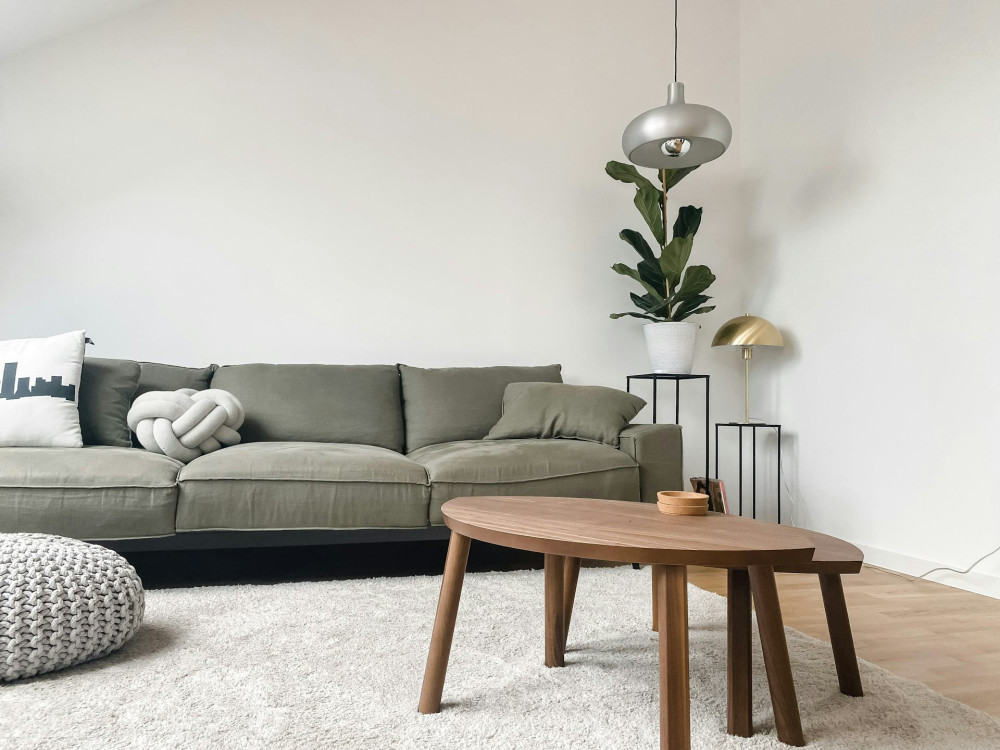
- Define zones with rugs and lighting – a pendant light above the dining table or a rug under the sofa helps to visually separate spaces.
- Try semi-open solutions – glass partitions, folding doors, or curtains can offer flexibility between open and closed.
These techniques allow you to keep the airy feel of an open plan while introducing pockets of calm and intimacy.
Læs også:
Closed Doesn’t Mean Confined
Enclosed rooms have their place – especially when you need focus, rest, or privacy. But a closed room doesn’t have to feel dark or cut off from the rest of the home.
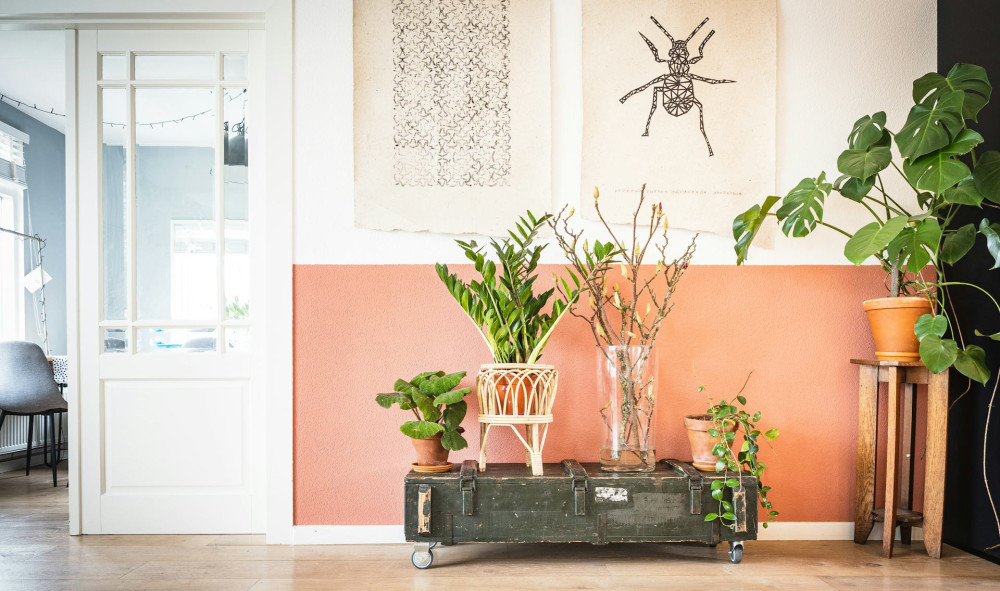
Consider glass doors or internal windows to let natural light flow through. Choose light colours and materials that visually connect one room to another. Repeating design elements – such as flooring, paint tones, or fabrics – across different rooms can also create a sense of unity.
The goal is to maintain a feeling of connection, even when spaces are separated.
The Hidden Balance: Acoustics and Atmosphere
Open spaces can easily become noisy, particularly with hard surfaces like wood, stone, and glass. Acoustics play a big role in how comfortable a space feels.
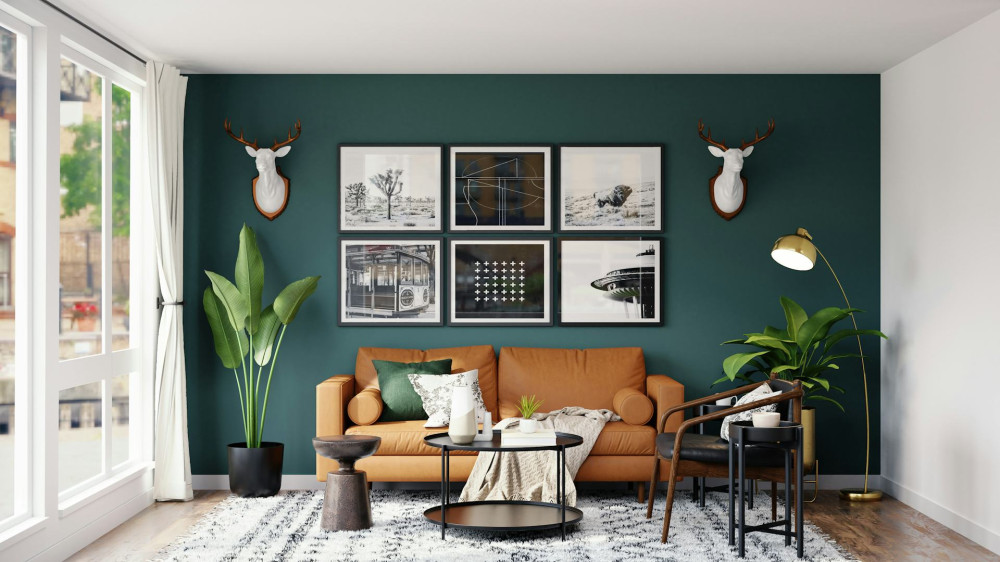
Use textiles, rugs, curtains, and upholstered furniture to soften sound. Plants can also help – they absorb noise and bring life and freshness to a room. In enclosed spaces, you can create a more intimate atmosphere with warm lighting and natural materials such as wood and wool.
When sound and light are in harmony, your home feels more peaceful – no matter the layout.
Flexibility for the Future
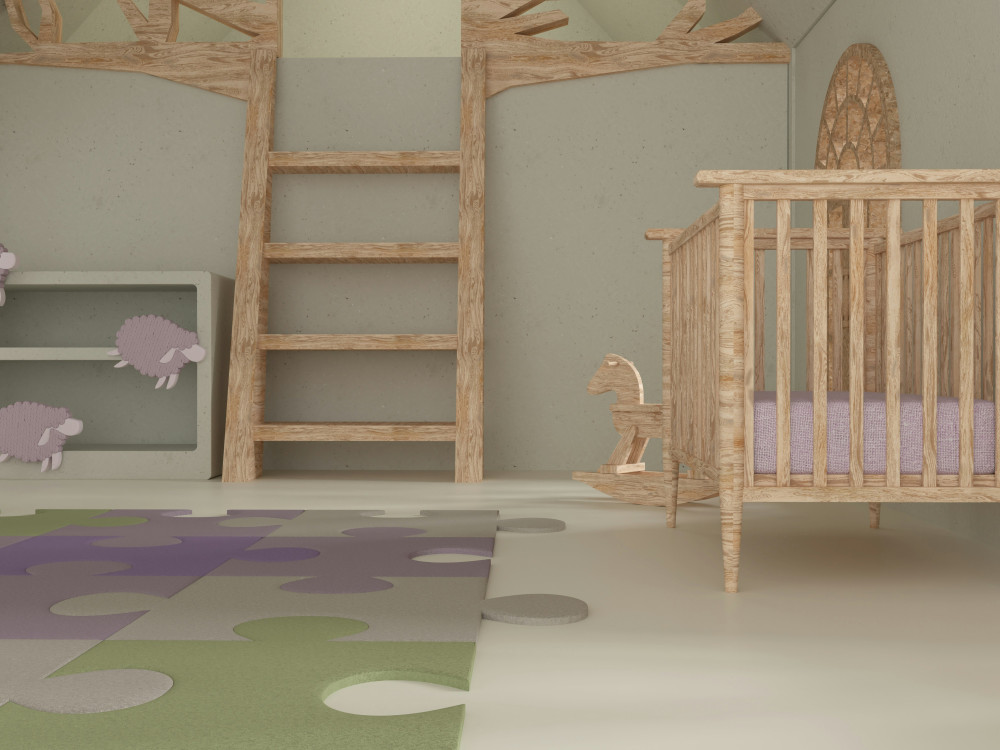
Our needs at home change over time. What works as a play area today might become a home office or guest room tomorrow. Flexibility is therefore essential.
Think about sliding doors, movable partitions, or modular furniture that can adapt as your life evolves. These solutions let you open up for social gatherings or close off for quiet moments whenever you need.
Flexible design makes it easier to maintain balance – even as your household changes.
A Home in Balance Feels Natural
When open and closed spaces work together, your home develops a natural rhythm. You gain both areas for connection and places for retreat. It’s not about choosing one or the other, but about creating a home that embraces both.
A balanced home doesn’t just look beautiful – it feels right to live in.
Læs også: