Living Décor: Using Plants as a Flexible Design Element

Living Décor: Using Plants as a Flexible Design Element
Plants are no longer just decorative touches on a windowsill – they’ve become an essential part of modern interior design. They bring life, colour, and texture into a space, while also acting as flexible design elements that can transform the atmosphere of a room with just a few adjustments. Whether you live in a compact flat or a spacious house, plants can help you create balance, calm, and character in your home.
Green spaces with purpose
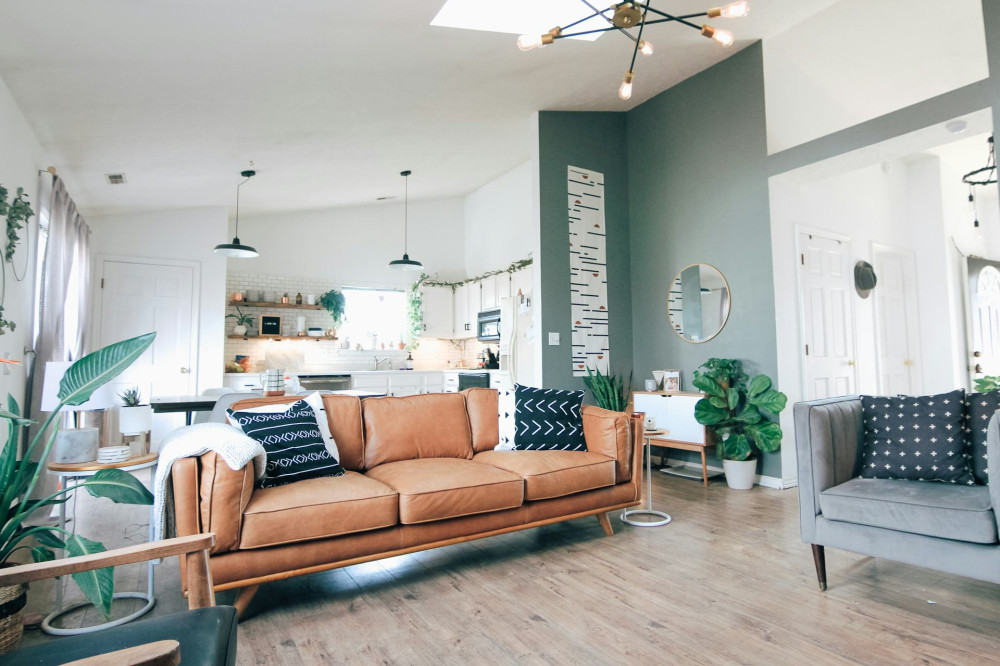
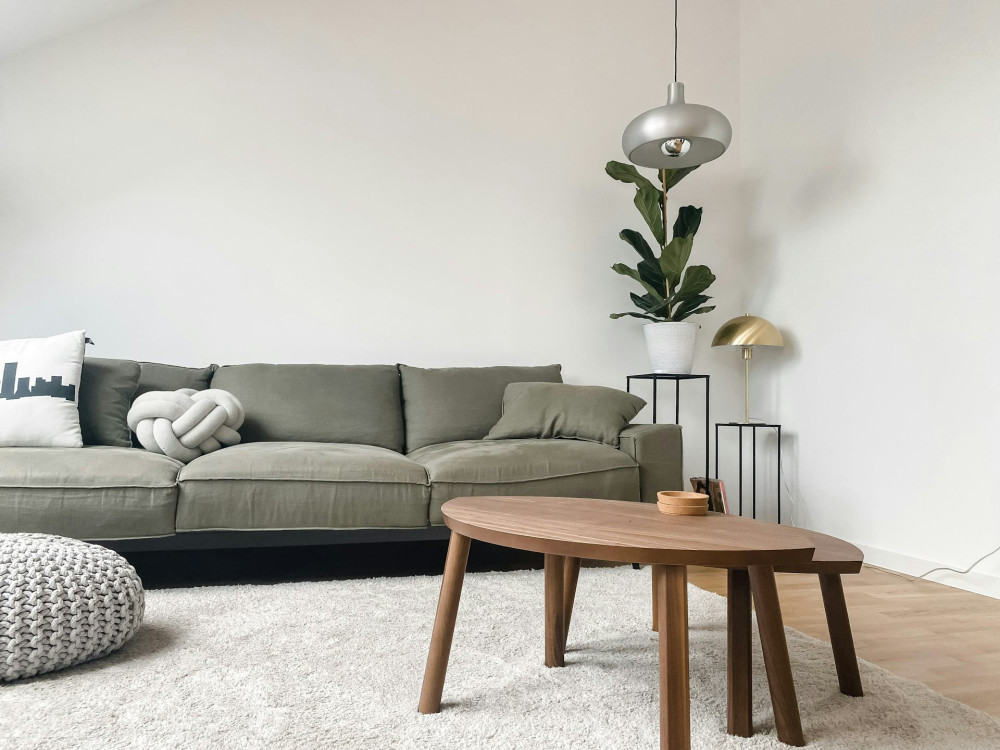
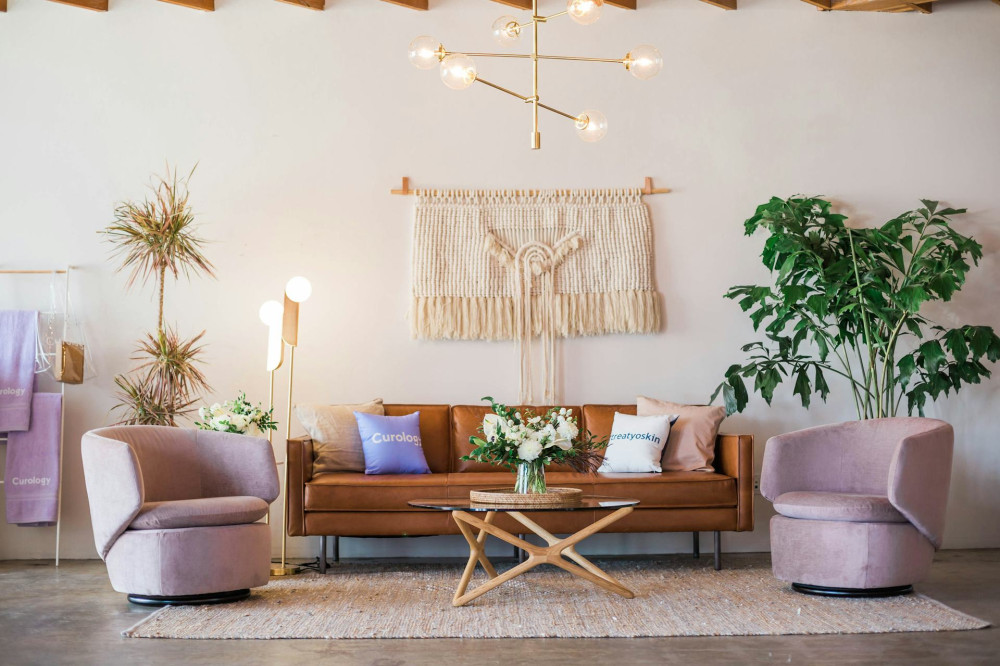
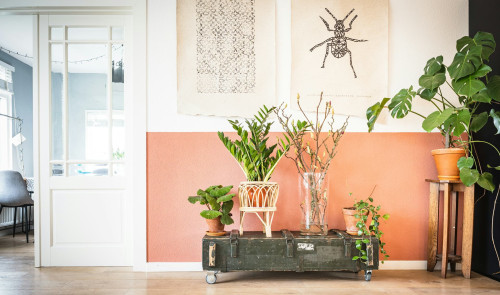
Plants can do far more than simply look pretty. They can define zones, create a sense of flow, and even act as natural room dividers. A tall fiddle-leaf fig or a cluster of bamboo can mark the transition between a living and dining area without blocking light. Hanging plants draw the eye upwards and make ceilings feel higher, while small pots on shelves or side tables add depth and variation.
When you think of plants as part of your décor, treat them like living furniture – pieces that can be moved, grow, and change character over time.
Setting the mood with colour and texture
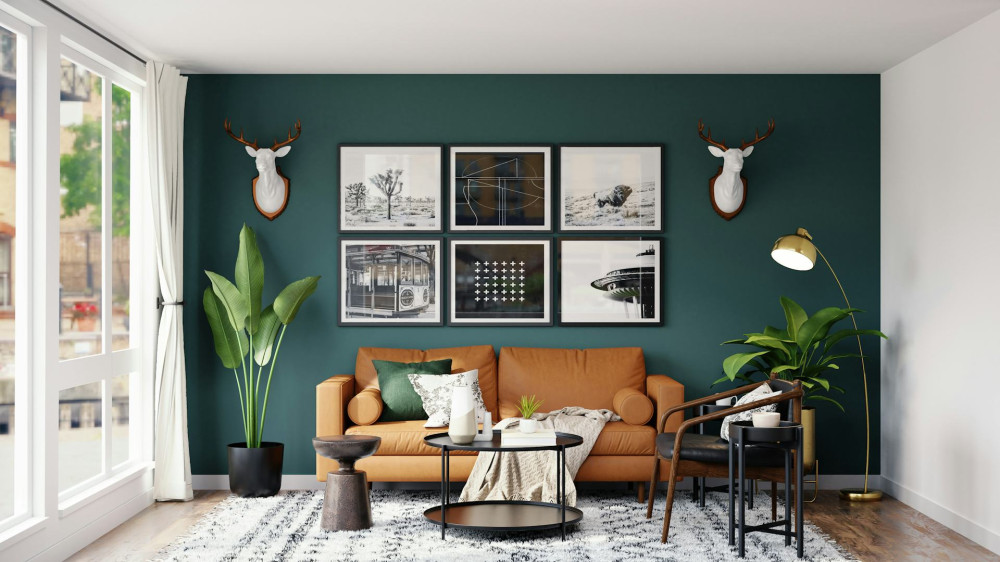
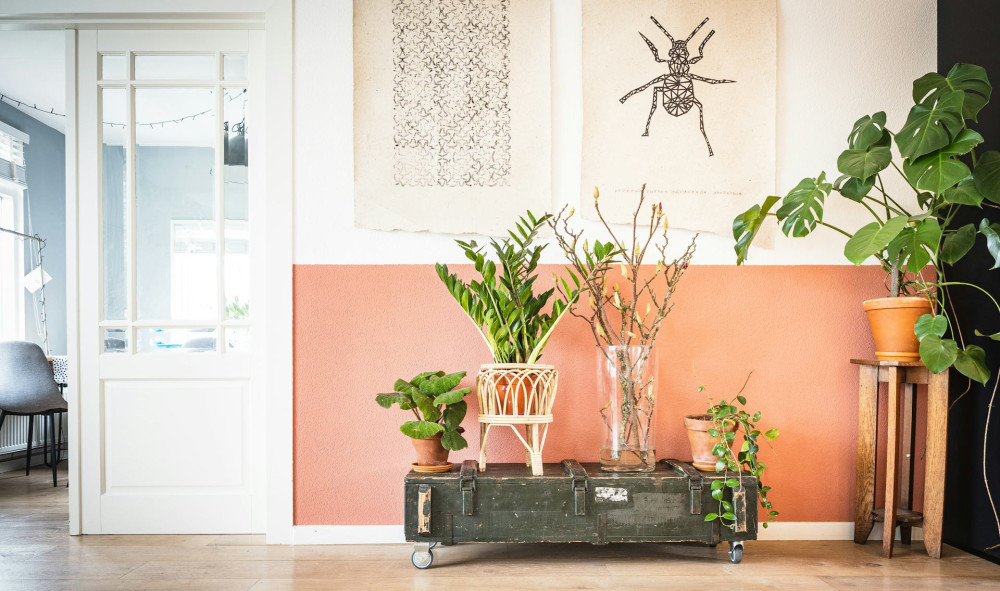
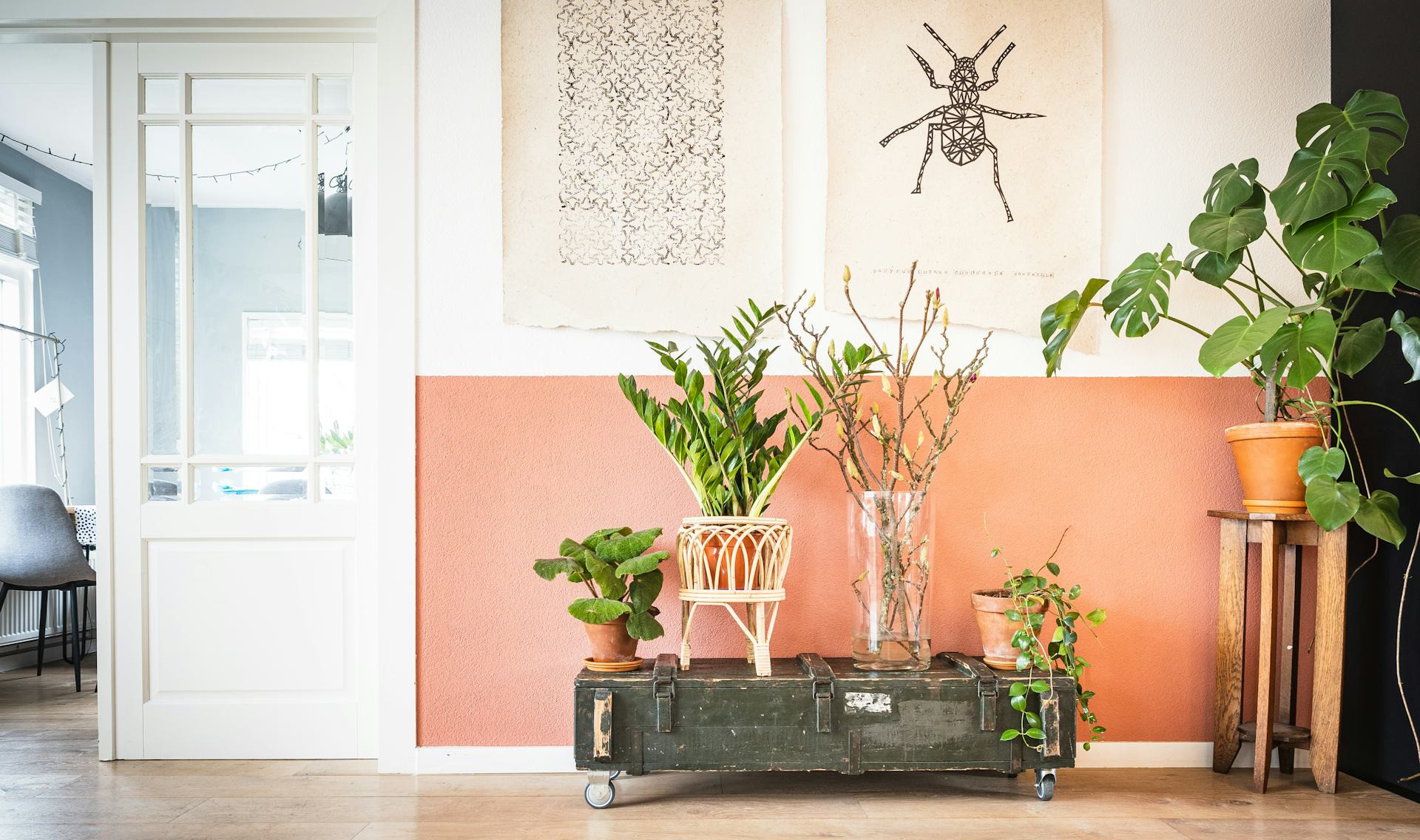
Plants come in a wide range of shades and shapes, and they can be used to reinforce the style you want in your home. Deep green foliage creates a calm, classic look, while variegated or brightly coloured leaves add energy and contrast. Mix different leaf shapes – from the soft, round leaves of a pilea to the upright spikes of a snake plant – to create a lively, layered effect.
Don’t forget the pots. Terracotta adds warmth and a natural feel, while ceramic or metal planters suit a more contemporary aesthetic. By changing pots or rearranging your plants, you can refresh the look of a room without buying anything new.
Plants as flexible design tools
One of the greatest advantages of using plants in interior design is their flexibility. They can be grouped, spaced out, or repositioned to suit your needs. If you want a more open feel, gather them in one corner. If a room feels too neutral, spread them out to add pops of green throughout the space.
Plants also respond to the seasons – some thrive in bright summer light, while others prefer the softer light of winter. Rotating your plants according to their needs not only keeps them healthy but also allows your home to subtly shift with the rhythm of nature outside.
Health and wellbeing benefits
Beyond their visual appeal, plants contribute to a healthier indoor environment. They can improve humidity, reduce dust, and create a sense of calm. Studies have shown that being surrounded by greenery can lower stress levels and boost concentration – something many people appreciate when working from home or spending more time indoors.
Caring for plants can also be a mindful, grounding activity. Watering, pruning, and observing growth encourage you to slow down and reconnect with nature’s pace – a welcome contrast to the fast tempo of everyday life.
Læs også:
Getting started
If you’re new to houseplants, start simple. Choose hardy varieties such as succulents, cacti, or rubber plants that require minimal care. As you gain confidence, you can experiment with more demanding species like ferns or orchids.
Pay attention to the light in your home – south-facing windows offer plenty of sun, while north-facing rooms are better suited to shade-tolerant plants. Use shelves, hanging planters, or stands to vary height and create visual interest.
A living home in constant motion
Plants make a home feel alive – quite literally. They grow, adapt, and respond to their surroundings, meaning your interior never stays static but evolves with you. By using plants as flexible design elements, you create a home that feels natural, personal, and always in motion.
Læs også: