Art and Mirrors in Harmony: How to Hang Pictures with Style

Art and Mirrors in Harmony: How to Hang Pictures with Style
Hanging pictures and mirrors is about more than filling empty walls – it’s about creating balance, atmosphere, and personality in your home. When art and mirrors work together, they can transform a space from ordinary to inspiring. But how do you make it look intentional rather than cluttered? Here’s a guide to hanging pictures and mirrors with style.
Think of the Whole Room – Not Just One Piece
Before you pick up a hammer, take a step back and consider the bigger picture. What do you want the wall to express? Should it feel calm and cohesive, or lively and eclectic?
A good rule of thumb is to start with the room’s purpose and mood. In a living room, a gallery wall can add warmth and character, while a bedroom often benefits from fewer, more tranquil pieces. In a hallway, a large mirror paired with a few smaller artworks can bring both light and personality.
Lay your pictures out on the floor first to experiment with arrangements before committing to nails or hooks.
Mirrors as Part of the Composition
Mirrors aren’t just practical – they’re powerful design tools. They reflect light, make rooms feel larger, and can add contrast to your artwork.
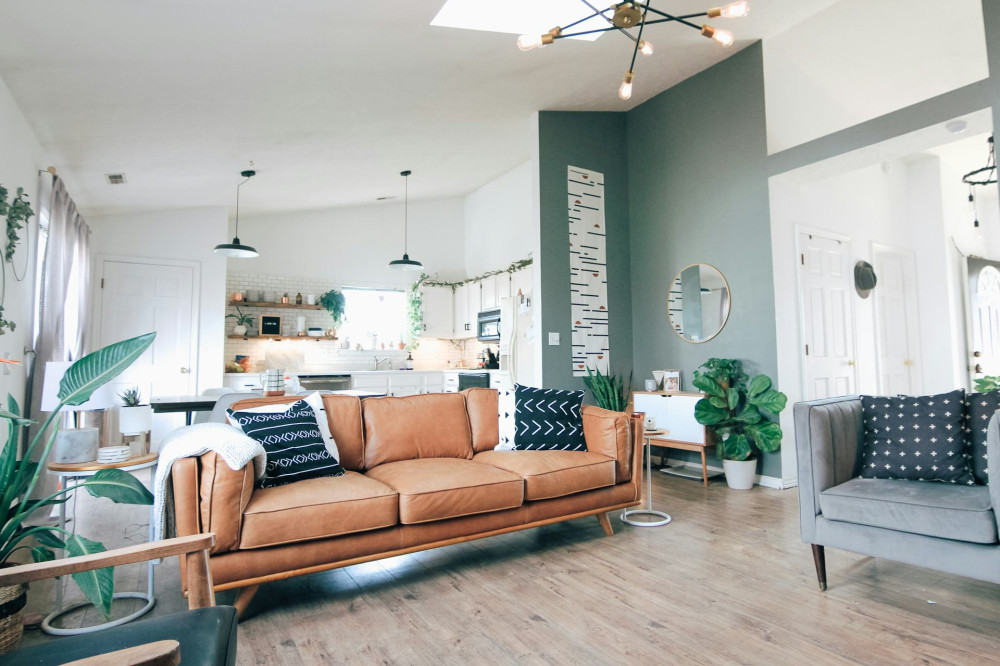
A round mirror can act as a calm focal point in a gallery wall, while a rectangular one can extend the visual lines of your composition. Try positioning a mirror to catch a beautiful corner of the room or reflect a window – it adds depth and life.
Avoid hanging mirrors directly opposite each other, as this can create a restless effect. Instead, think of the mirror as part of the overall composition, not a separate element.
Balance Shapes, Sizes, and Colours
When combining art and mirrors, balance is key – in form, scale, and colour.
- Mix formats – combine large and small pieces, but make sure they form a visual whole.
- Repeat colours – let tones from one artwork echo in the frames or the mirror’s edge.
- Create a common thread – through theme, palette, or materials.
If your artworks vary widely in style, matching frames can bring harmony. Conversely, if your pieces are subtle, varied frames can add character and depth.
Height Matters More Than You Think
One of the most common mistakes is hanging pictures too high. As a general guide, the centre of the artwork should be at eye level – around 150 cm from the floor. When hanging several pieces together, treat the group as one unit and position its centre accordingly.
Above a sofa or sideboard, hang pictures slightly lower so they connect visually with the furniture. A mirror can sit a little higher, especially if it’s meant to reflect light or a view.
Turn Your Wall into a Gallery
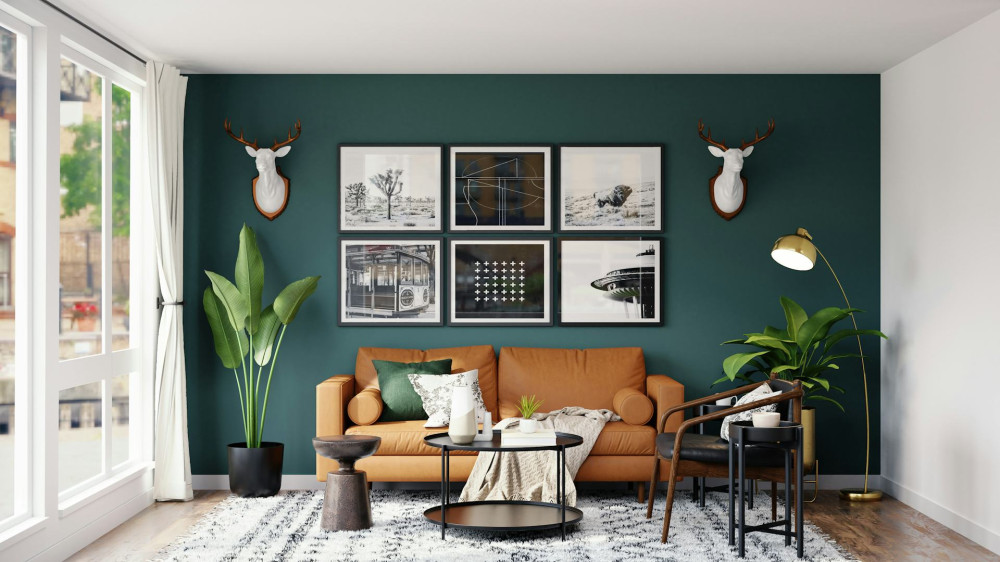
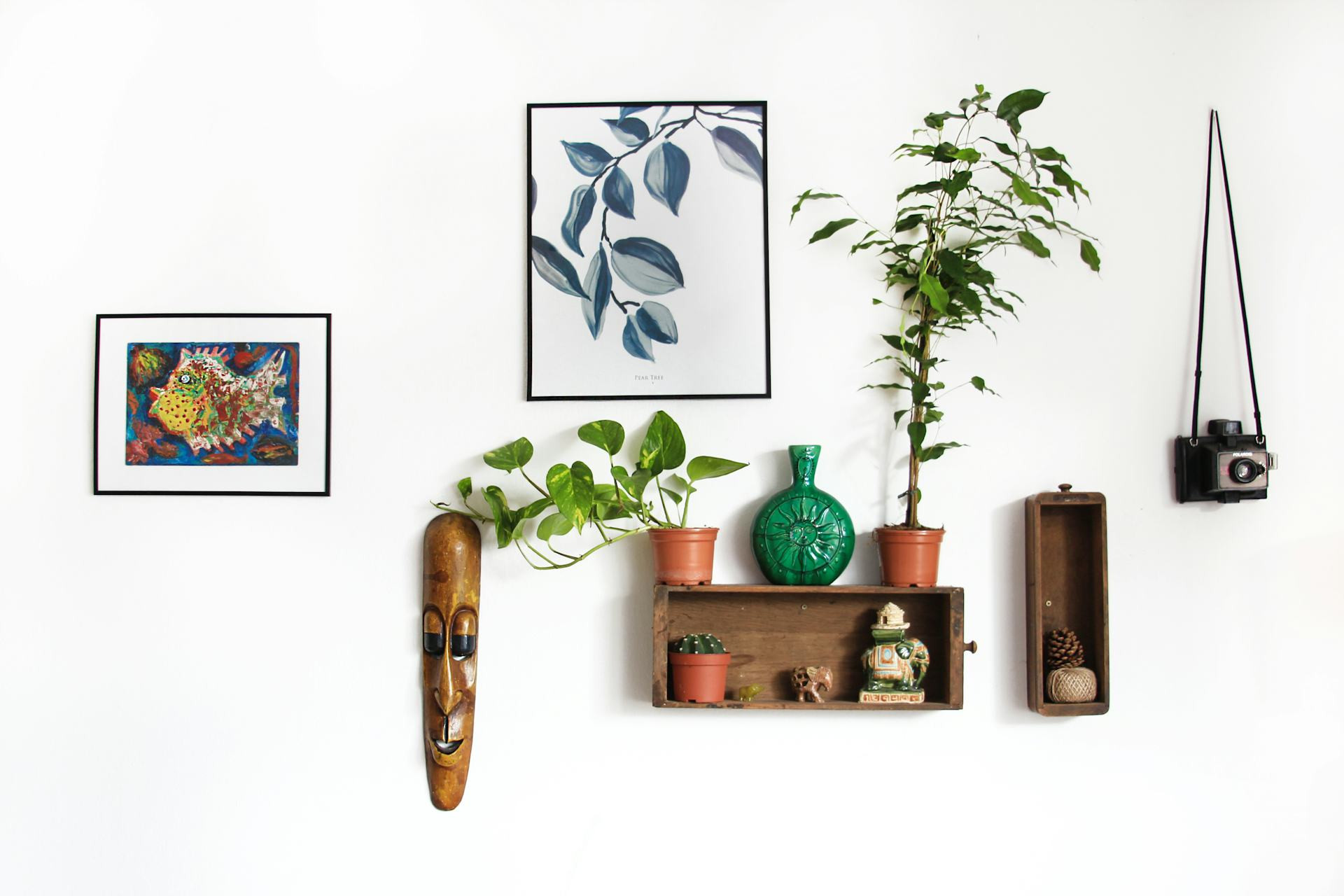
A gallery wall is a perfect way to combine art and mirrors. Start with a central piece – perhaps a large painting or a mirror – and build outwards.
Keep spacing consistent, typically 5–10 cm between frames, and use paper templates on the wall before you start drilling. This makes it easier to adjust the layout until it feels right.
For a more relaxed look, let some pictures rest on a picture ledge or lean casually against the wall. It’s flexible and allows you to swap pieces with the seasons or your mood.
Lighting Makes All the Difference
Even the most beautiful arrangement loses impact in poor lighting. Use spotlights, wall lamps, or discreet LED strips to highlight your pictures and mirrors.
A mirror placed to reflect the glow of a lamp can create a warm, inviting atmosphere. Avoid shining direct light onto glass, as it can cause glare – instead, angle the light to graze the wall softly from the side.
Make It Personal
The most important thing about hanging pictures and mirrors is that it feels like your home. Choose pieces that mean something to you – from family photos to prints, posters, or heirlooms.
Mix old and new, expensive and affordable, art and memories. It’s the combination that gives your wall soul and makes it a reflection of who you are.
A Space That Reflects You
When art and mirrors work in harmony, something special happens. The mirror opens up the space, while the art tells your story. Together, they create a home that feels both thoughtful and alive – a place where aesthetics and personality meet.