As Your Child Grows: Step-by-Step Guide to Adapting the Sleeping Area

As Your Child Grows: Step-by-Step Guide to Adapting the Sleeping Area
A child’s sleeping area is more than just a place to rest – it’s a space where comfort, imagination, and development come together. As your child grows, their needs change. The cot that once felt cosy and safe soon becomes too small, and suddenly the room must make space for play, reading, and quiet time. Here’s a step-by-step guide to adapting your child’s sleeping area as they grow – from baby to school age.
From Baby to Toddler – Safety and Comfort
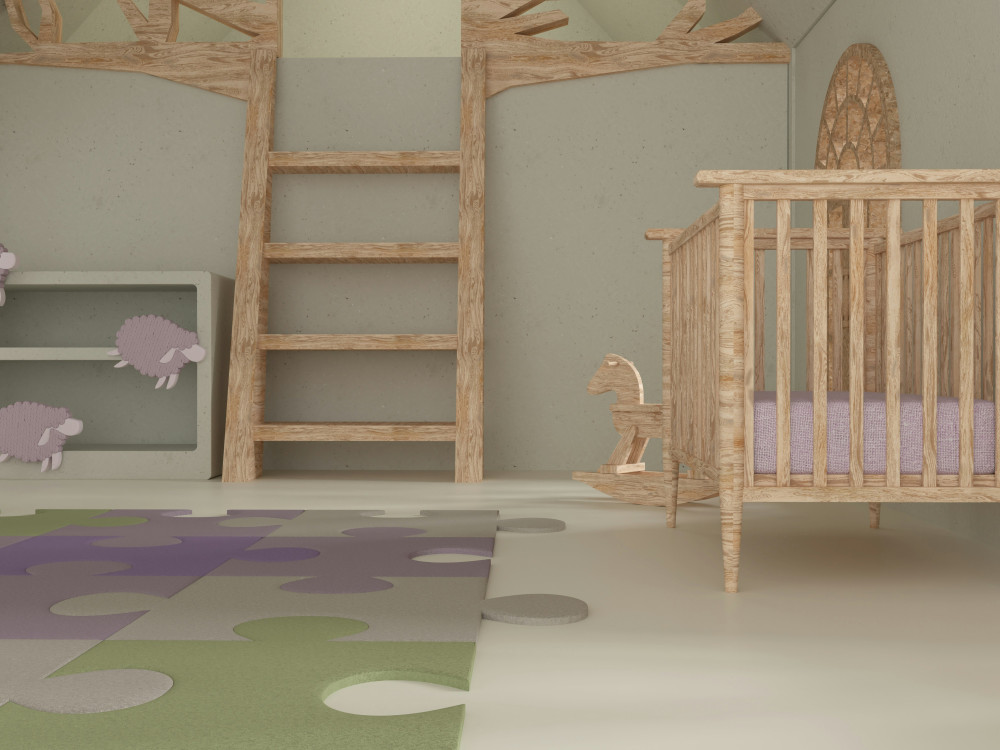
In the early years, the sleeping area is all about closeness and security. A cot or bedside crib near the parents’ bed helps with night-time feeds and reassures both baby and parents. As your little one starts to crawl and pull up, safety becomes the top priority: lower the cot base, remove loose cushions, and make sure there are no cords or blinds within reach.
Around the age of two, it may be time to move to a toddler bed. This gives your child more freedom to get in and out of bed independently – an important step towards confidence and self-reliance.
From Toddler to Preschooler – Space for Play and Imagination
During the preschool years, the sleeping area often becomes part of a larger world of play. The bed is no longer just for sleeping – it can be a den, a castle, or a race car. This is the perfect time to think creatively and practically:
- Choose a bed with built-in storage to keep toys and bedding neatly tucked away.
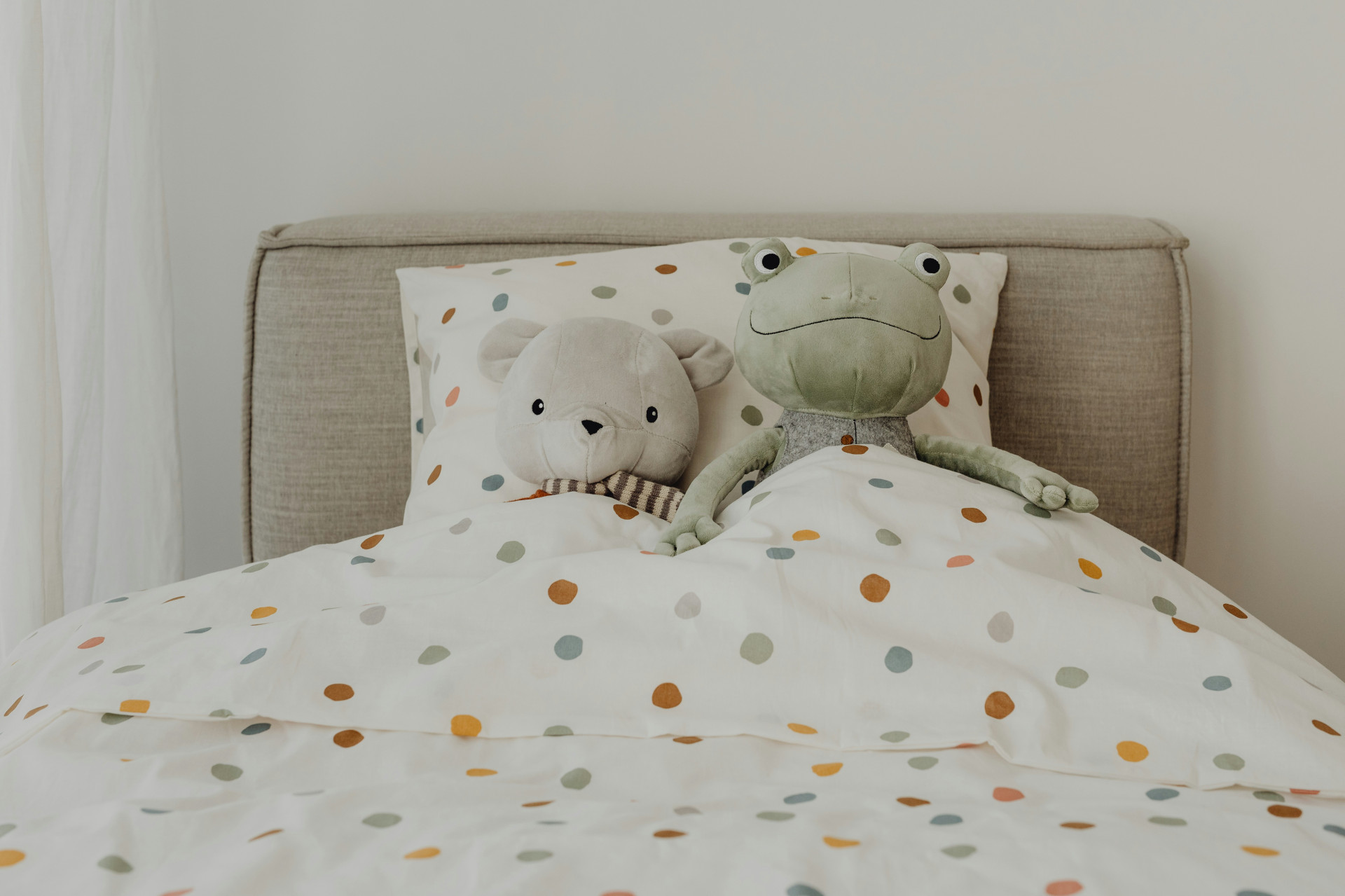
- Use fabrics and colours to create atmosphere – a canopy, a cheerful duvet cover, or a few cushions can transform the space.
- Create zones: a calm sleeping area and a separate play area, helping your child associate the bed with rest.
Bedtime routines also become more important at this stage. A consistent ritual – such as a bedtime story and dimmed lights – helps your child wind down and feel secure.
From Preschool to School Age – Function and Flexibility
When your child starts school, their room needs to support both rest and focus. The sleeping area should now offer a sense of privacy and independence. Many families opt for a mid-sleeper or high bed, with a desk or reading nook underneath. This makes the most of limited space and gives your child a sense of having their own “world”.
Lighting is key: a good reading light by the bed and a dimmable lamp can make a big difference. As your child begins to read independently or spend time drawing and writing, they’ll need both light and calm surroundings.
Creating a Room That Grows with Your Child
It’s worth thinking long-term when designing your child’s sleeping area. Choose furniture that can adapt – for example, an extendable bed or a bedside table that can later serve as a small desk. This approach saves money and reduces waste as your child grows.
Involve your child in the process, too. Let them help choose colours, bedding, or wall art. When children have a say in their space, they feel a sense of ownership and pride – which supports both wellbeing and responsibility.
Calm, Routine, and Familiarity
Whatever your child’s age, the most important thing is that their sleeping area feels calm and reassuring. Avoid clutter near the bed, keep lighting soft, and maintain a consistent bedtime routine. A peaceful room with fresh air, gentle light, and familiar rituals helps your child fall asleep more easily and sleep more soundly.
A well-designed sleeping area isn’t about expensive furniture or perfect décor – it’s about creating a space where your child feels safe, loved, and ready to grow – both in sleep and in life.