Ceiling height and heat distribution – how a room’s height affects its temperature

Ceiling height and heat distribution – how a room’s height affects its temperature
When we think about indoor comfort and energy efficiency, most of us focus on insulation, windows, and heating systems. But the height of a room also plays a key role in how heat is distributed – and how comfortable the space feels. A high ceiling can make a room feel airy and spacious, but it can also mean that warmth gathers where no one benefits from it. Here we take a closer look at how ceiling height affects temperature and what you can do to make the most of your heating.
Warm air rises – but what does that mean in practice?
It’s a basic principle of physics that warm air rises while cooler air sinks. In rooms with high ceilings, this means the temperature is often higher near the ceiling than at floor level. The difference can be several degrees, especially if there’s little air circulation.
In a typical British home with a ceiling height of around 2.4 metres, the difference is usually small. But in rooms with ceilings of 3 metres or more – such as in Victorian houses or modern open-plan spaces – the variation can be noticeable. This often leads people to turn up the heating to feel comfortable at sitting level, which in turn increases energy use.
High ceilings – elegant but energy-hungry
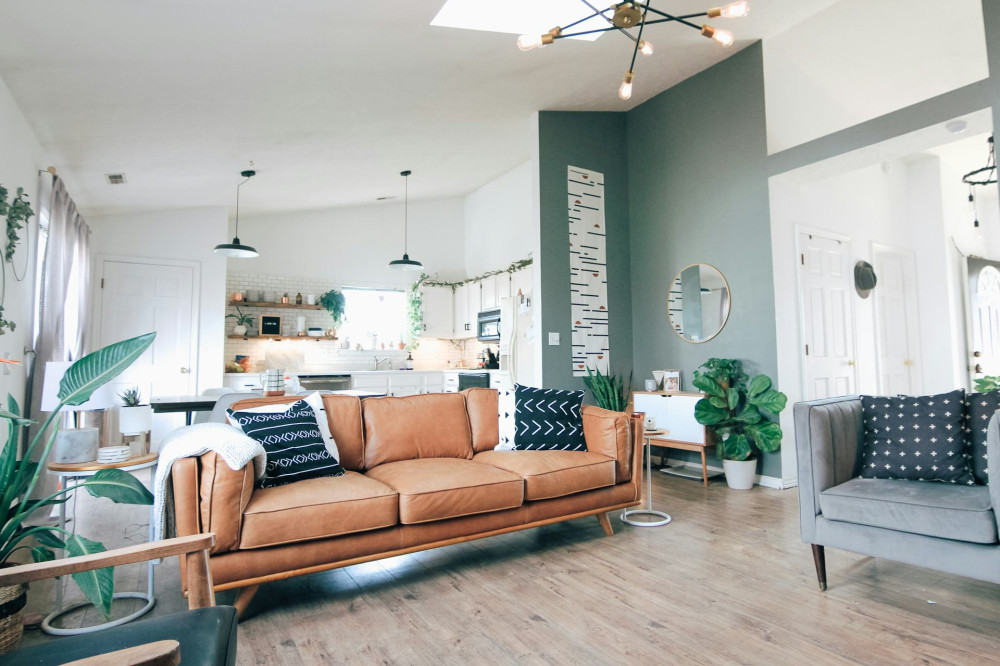
Period properties and contemporary homes with vaulted or double-height spaces often feature high ceilings that create a sense of grandeur and light. However, the extra volume means more air needs to be heated, and that can be costly. The warmth tends to accumulate near the top of the room, leaving the lower part cooler.
To counter this, it can be worth investing in solutions that help move warm air downwards. Ceiling fans, for example, can be set to rotate slowly clockwise in winter to push warm air back into the living area. Underfloor heating or well-placed radiators can also help maintain a more even temperature throughout the space.
Lower ceilings – efficient and cosy
Homes with lower ceilings, typically between 2.3 and 2.5 metres, are easier to heat efficiently. There’s less air to warm up, and the heat spreads more evenly. This often results in lower heating bills and a more stable indoor climate.
That said, lower ceilings can sometimes make a room feel smaller or less open. The key is to balance aesthetics and practicality – using light colours, good lighting, and thoughtful design to maintain a sense of space while keeping energy use low.
How to make the most of heat in rooms with high ceilings
If your home has high ceilings, there are several ways to improve heat distribution and comfort:
- Install a ceiling fan – run it slowly in reverse during winter to push warm air downwards.
- Use underfloor heating – it provides even warmth and makes efficient use of energy.
- Heat selectively – focus on the areas you use most rather than the entire space.
- Improve insulation – well-insulated ceilings and walls reduce heat loss and stabilise temperature.
- Consider curtains or room dividers – they can help retain warmth in the parts of the room you occupy most.
Even small adjustments can make a noticeable difference to both comfort and energy consumption.
Ceiling height and ventilation go hand in hand
High-ceilinged rooms also require a different approach to ventilation. When warm air collects near the ceiling, it can lead to dry air and poor circulation. Balanced ventilation, possibly with heat recovery, can help distribute air more evenly and maintain a healthy indoor environment.
Natural ventilation can also be used effectively – for example, skylights or high windows can release excess heat in summer, preventing the space from becoming stuffy.
Finding the right balance between comfort and efficiency
Ceiling height isn’t something you can easily change, but understanding its impact can help you make smarter choices about heating and ventilation. High ceilings offer beauty and openness but demand careful management to avoid wasted heat. Lower ceilings are more energy-efficient but may need creative design to feel spacious.
Whatever the height of your rooms, the goal is the same: to create a home that feels comfortable while using energy wisely – good for both your wellbeing and the environment.