Create Harmony at Home: How to Bring a Cohesive Look to Your Interior Design


Create Harmony at Home: How to Bring a Cohesive Look to Your Interior Design
A home feels most inviting when every room connects – when colours, materials and atmosphere come together to form a unified whole that reflects your personality. But how do you achieve that sense of flow without making everything look identical or dull? Creating harmony in your interior design isn’t about copying one style throughout the house; it’s about balance and continuity, so each space feels like part of a bigger story. Here’s how to bring a cohesive look to your home – both visually and emotionally.
Begin with a Clear Vision
Before you start painting walls or shopping for furniture, take a moment to think about the mood you want your home to express. Do you prefer calm and natural, warm and characterful, or sleek and contemporary? Once you have a clear vision, it becomes much easier to make consistent choices.
Try creating a mood board – either on paper or digitally – with images, colours, textures and materials that inspire you. This helps you see how different elements work together and keeps you focused when browsing in shops or online.
Use Colour as a Connecting Thread
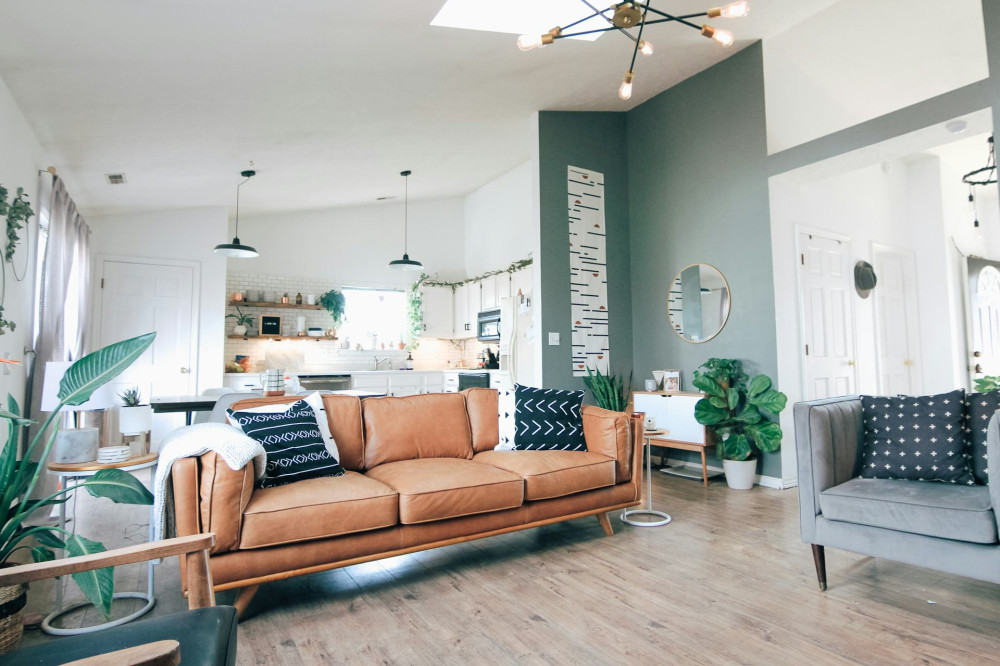
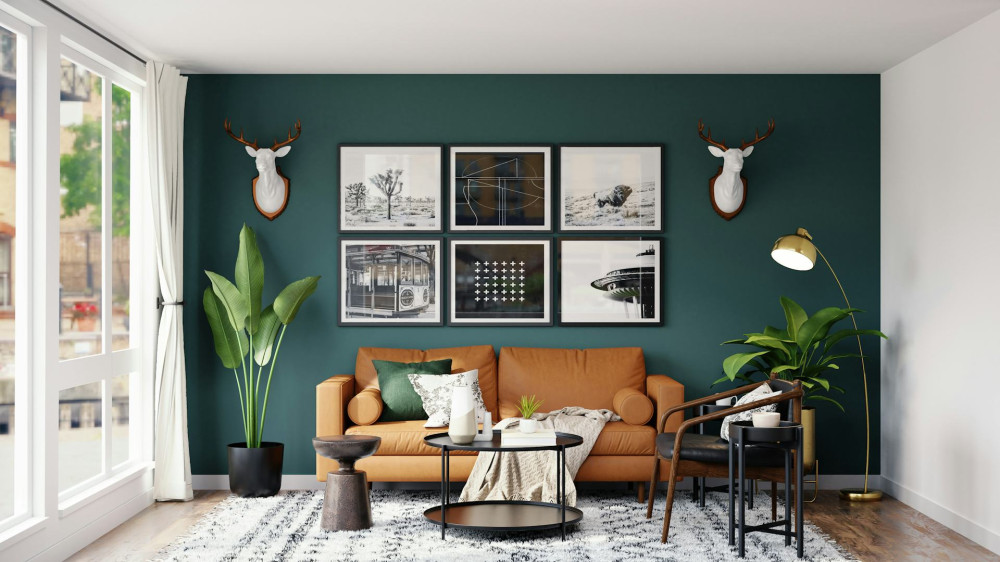
Colour is one of the most powerful tools for creating cohesion. That doesn’t mean every wall should be the same shade, but rather that you choose a palette that flows naturally from room to room.
- Pick a base colour to anchor your design – perhaps a soft white, warm grey, or muted sage.
- Add two or three accent colours to use in textiles, artwork or accessories.
- Repeat these colours in different rooms, varying the proportions to keep things interesting.
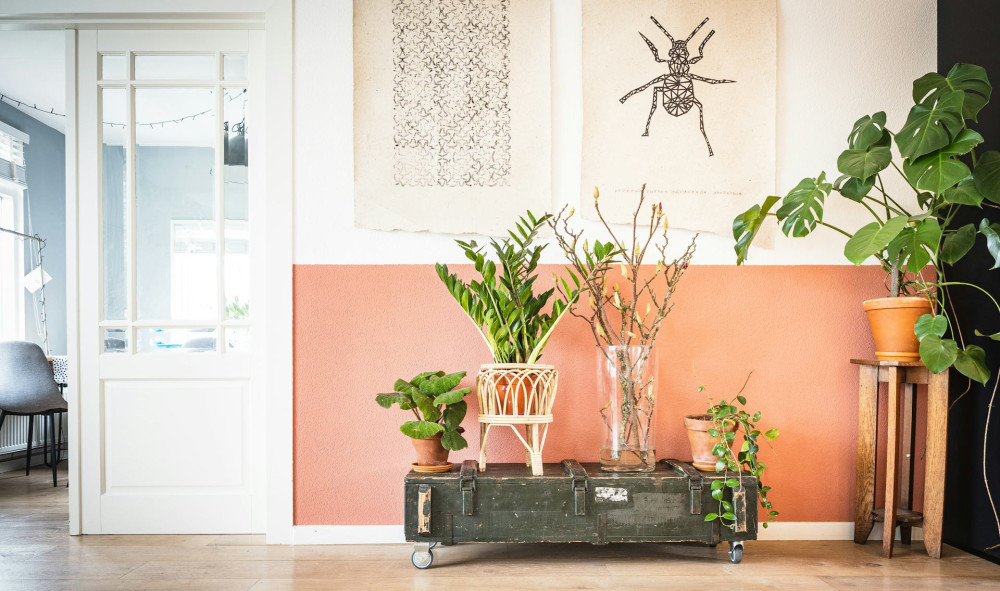
For example, if you have navy cushions in the living room, you might echo that tone in the hallway artwork or in the towels in your bathroom. This subtle repetition ties the spaces together without feeling forced.
Materials and Textures Bring Calm
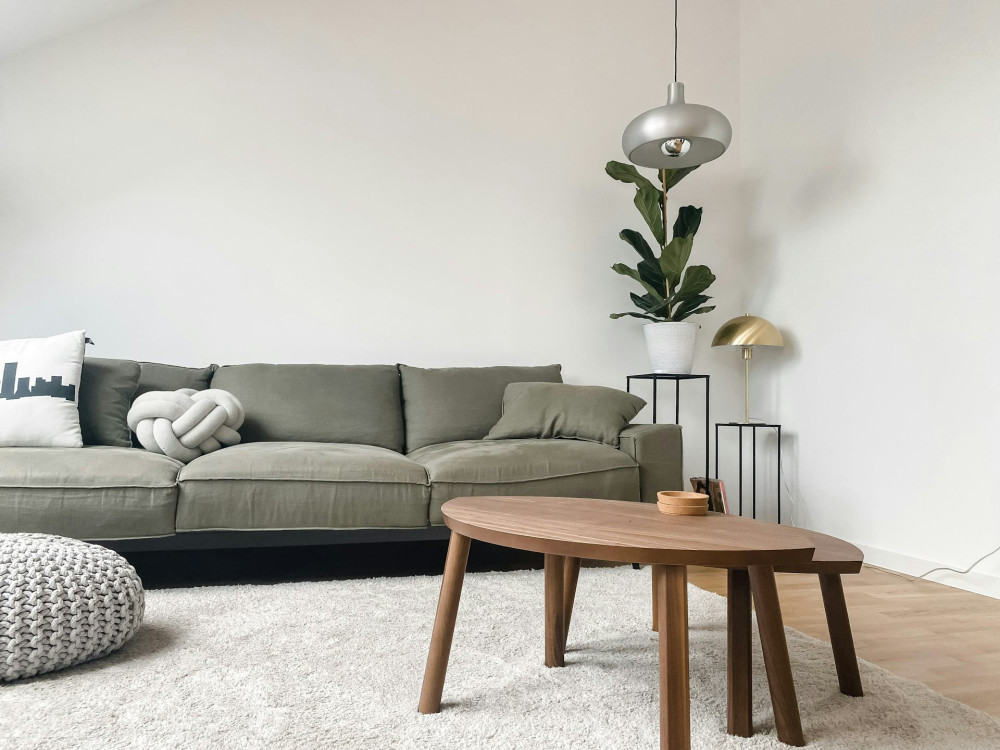
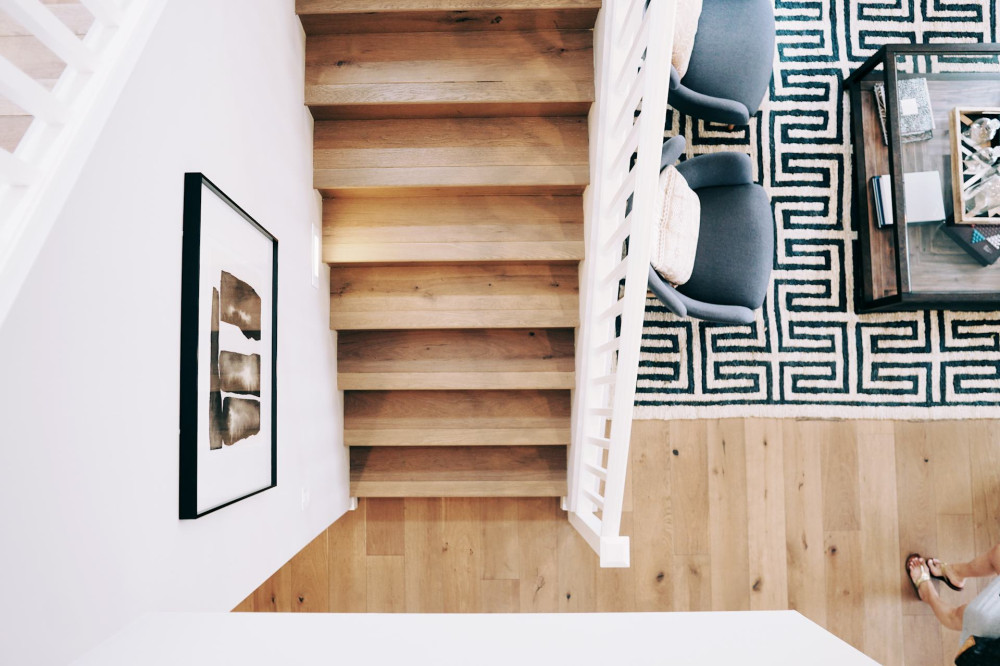
Beyond colour, materials play a huge role in how a home feels. Repeating certain materials – such as oak, brass, glass or stone – creates a quiet sense of unity.
Choose two or three key materials to feature across your home, whether in furniture, flooring or decorative details. You can vary the finishes, but staying within the same family of materials helps maintain a sense of calm.
Texture is equally important. Combining smooth and tactile surfaces adds depth and interest, while still keeping the overall look harmonious.
Repeat Shapes and Lines
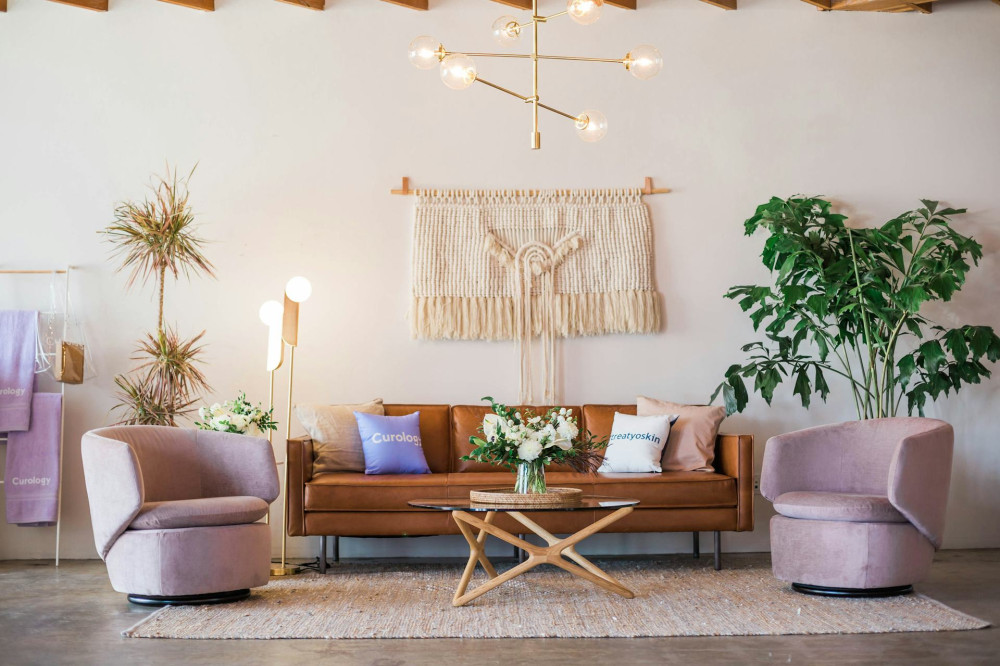
Form is an often-overlooked but effective way to create visual rhythm. If your living room features rounded shapes in lamps or tables, you could echo those curves in mirrors, handles or ceramics elsewhere. Alternatively, if your home leans towards clean, angular lines, repeating those shapes will reinforce a modern, structured feel.
When shapes and lines reappear throughout your home, the eye recognises them instinctively, creating a sense of flow and familiarity.
Cohesion Doesn’t Mean Uniformity
A cohesive home doesn’t have to be matchy-matchy. In fact, contrast adds life and personality – as long as it’s intentional. You can mix modern pieces with vintage finds, provided there’s a common thread, such as a shared material or colour tone.
A simple trick is to let one element appear in every room – perhaps a particular wood finish, a brass detail, or a recurring shade. This gives you freedom to experiment while keeping the overall look connected.
Lighting and Atmosphere as Common Ground
Lighting is one of the most powerful mood-setters in any home. When planning your lighting, think in layers: ambient, task and accent lighting. Using similar bulb tones or lamp styles across rooms helps reinforce a sense of unity.
Also consider how natural light moves through your home. Colours and materials change character throughout the day, so observe how they interact in different spaces before making final decisions.
Personal Touches Tell Your Story
A truly cohesive home reflects the people who live there. Photographs, artwork, travel mementos and heirlooms tell your story – and when arranged thoughtfully, they become the thread that ties your rooms together.
You might use the same style of frame for your photos, or repeat a theme – such as nature, architecture or family – in different ways. This creates continuity while keeping your décor deeply personal.
Build Harmony Step by Step
Creating a cohesive home is a journey, not a one-day project. Start with one room and let it inspire the next. When you think about the bigger picture from the beginning, your choices will naturally align – both aesthetically and practically.
A harmonious home feels calm, considered and uniquely yours. It’s a place where everything connects – not because it’s perfect, but because it feels right. After all, the best interiors are the ones that look beautiful and feel like home.