Creative Corner: Create Space for Play and Drawing in the Children’s Room

Creative Corner: Create Space for Play and Drawing in the Children’s Room
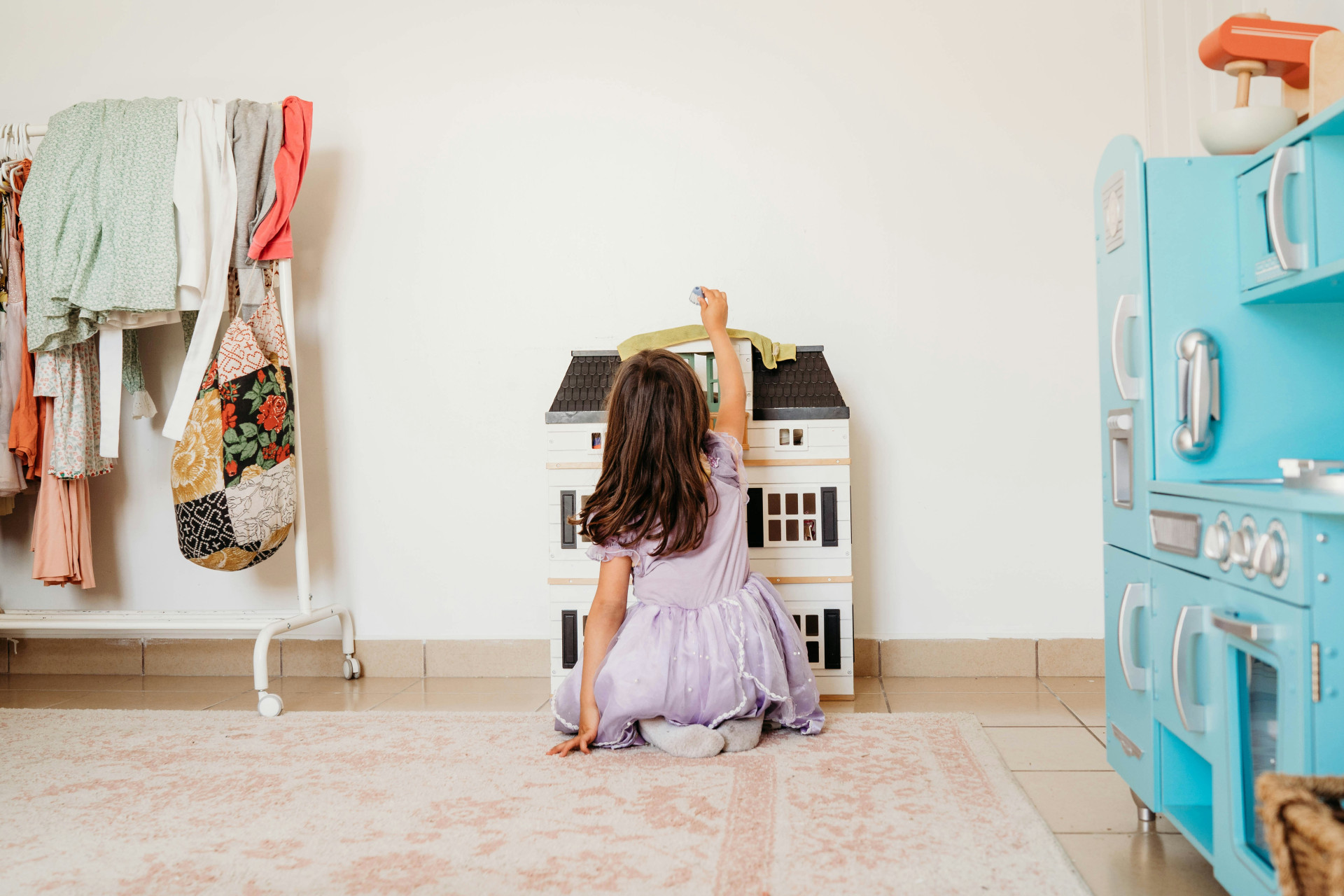
A child’s bedroom is more than just a place to sleep – it’s a space where imagination, play, and creativity can flourish. A well-designed creative corner can inspire your child to draw, build, paint, and invent new games. It doesn’t require a lot of space, but it does call for some thoughtful planning. Here’s how you can create a creative nook that suits your child’s age, interests, and everyday routines.
Build a Base for Creativity
Start by choosing a quiet corner of the room where your child can sit and focus. A spot near a window with plenty of natural light is ideal, but even a small corner away from distractions can work well. A child-sized table and chair make a great foundation – preferably with a surface that can handle a few paint splashes and pen marks. If space is limited, consider a fold-down table or a wall-mounted desk.
Lighting is key too. A good lamp with adjustable brightness helps your child concentrate, especially on darker afternoons. Choose a warm, soft light that’s easy on the eyes and creates a cosy atmosphere.
Make Materials Easy to Reach
When children can find and tidy up their own materials, they’re more likely to use their creative space spontaneously. Use boxes, baskets, or small drawers to store paper, crayons, glue, scissors, and craft supplies. Clear containers or labels with pictures make it easy for younger children to find what they need.
A small trolley on wheels can be a flexible solution – it can be rolled out for creative time and tucked away again when playtime is over.
Decorate with Inspiration
The wall around the creative corner can become part of the fun. Hang a corkboard or string up a line with pegs so your child can display their drawings and paintings. Having their artwork on show gives them pride and encourages them to keep creating.
You could also add small shelves for books, figures, or nature finds that spark new ideas. A magnetic board or whiteboard is another great option – perfect for doodling, learning, or planning new projects.
Think Flexible and Future-Proof
Children’s interests change quickly, so flexibility is key. A height-adjustable table or a chair that grows with your child will make the space last longer. Choose furniture that serves more than one purpose – for example, a bench with storage underneath or a table that can double as a play surface.
If you have more than one child, consider creating a shared creative zone. Make sure there’s enough space and materials for everyone, and encourage teamwork – and tidying up together afterwards.
Allow for Mess – and for Tidying Up
Creativity often comes with a bit of mess, and that’s perfectly fine. The trick is to have a system that makes tidying up easy. Establish simple routines and make cleaning part of the fun. Younger children might enjoy a “tidy-up song,” while older ones can take responsibility for keeping their supplies organised.
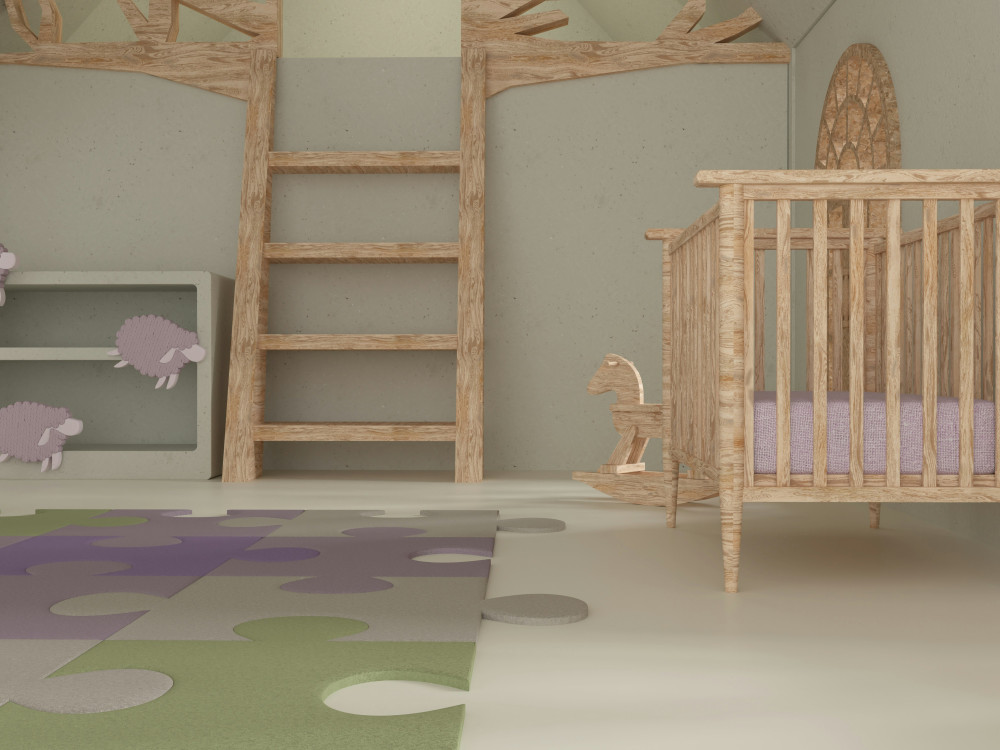
A washable rug or mat under the table can protect the floor from paint and glue – and makes it easier to collect stray beads or paper scraps later.
Create a Mood for Focus and Fun
Colours and atmosphere have a big impact on how a child uses their space. Choose calm, light tones for the walls, and let creativity shine through in the details – colourful pencils, posters, and playful decorations. Music can also set the mood: gentle background tunes can help with concentration, while upbeat songs can spark energy and imagination.
Most importantly, make sure the corner feels like your child’s own special place – somewhere they can experiment, make mistakes, and create freely.
A Space for Imagination and Growth
A creative corner isn’t just about drawing or painting. It’s about giving your child a space where ideas can come to life. Here, they learn to express themselves, to focus, and to find joy in making something with their own hands. It’s an investment in play, learning, and independence – and in many happy hours spent together.