Damp in Coastal Brickwork – How to Solve the Problem Effectively

Damp in Coastal Brickwork – How to Solve the Problem Effectively
Living by the sea has undeniable charm – fresh air, stunning views and a sense of calm that’s hard to find elsewhere. But for homeowners along Britain’s coasts, the sea breeze also brings a challenge: damp in brickwork. The salty air, high humidity and driving rain can gradually penetrate walls, leading to flaking, staining and, in severe cases, structural damage. Fortunately, there are effective ways to prevent and treat damp so your home stays sound for years to come.
Why Does Damp Occur in Coastal Brickwork?
Damp develops when moisture enters the brickwork faster than it can evaporate. In coastal areas, this often happens because of:
- Salt and sea spray – salt particles carried by the wind attract and retain moisture, increasing water absorption in the bricks.
- Wind-driven rain – coastal regions experience more horizontal rain, which can force water into cracks and mortar joints.
- Poor maintenance – damaged pointing, cracked bricks or blocked gutters allow water to penetrate.
- Condensation – in older or poorly ventilated homes, internal moisture can also settle in the walls.
Once moisture becomes trapped, it can cause frost damage, mould growth and deterioration of mortar and brick surfaces.
Signs of Damp Problems
Spotting damp early makes repairs easier and cheaper. Look out for:
- Dark patches or discolouration on walls
- Peeling paint or crumbling plaster
- White salt deposits (efflorescence) on the surface
- A musty smell or damp feeling indoors
- Cracks in mortar joints or brick faces
If you notice any of these, it’s time to investigate before the problem worsens.
How to Solve the Problem Effectively
There’s no one-size-fits-all solution – the right approach depends on the cause and extent of the damp. However, these steps are a good starting point.
1. Identify and Fix the Source
Begin with a thorough inspection of your property. Check gutters, downpipes, roof edges and pointing. Make sure rainwater drains away from the house and that there are no cracks or gaps where water can enter. A qualified surveyor or damp specialist can help assess the situation accurately.
2. Repair Mortar and Cracks
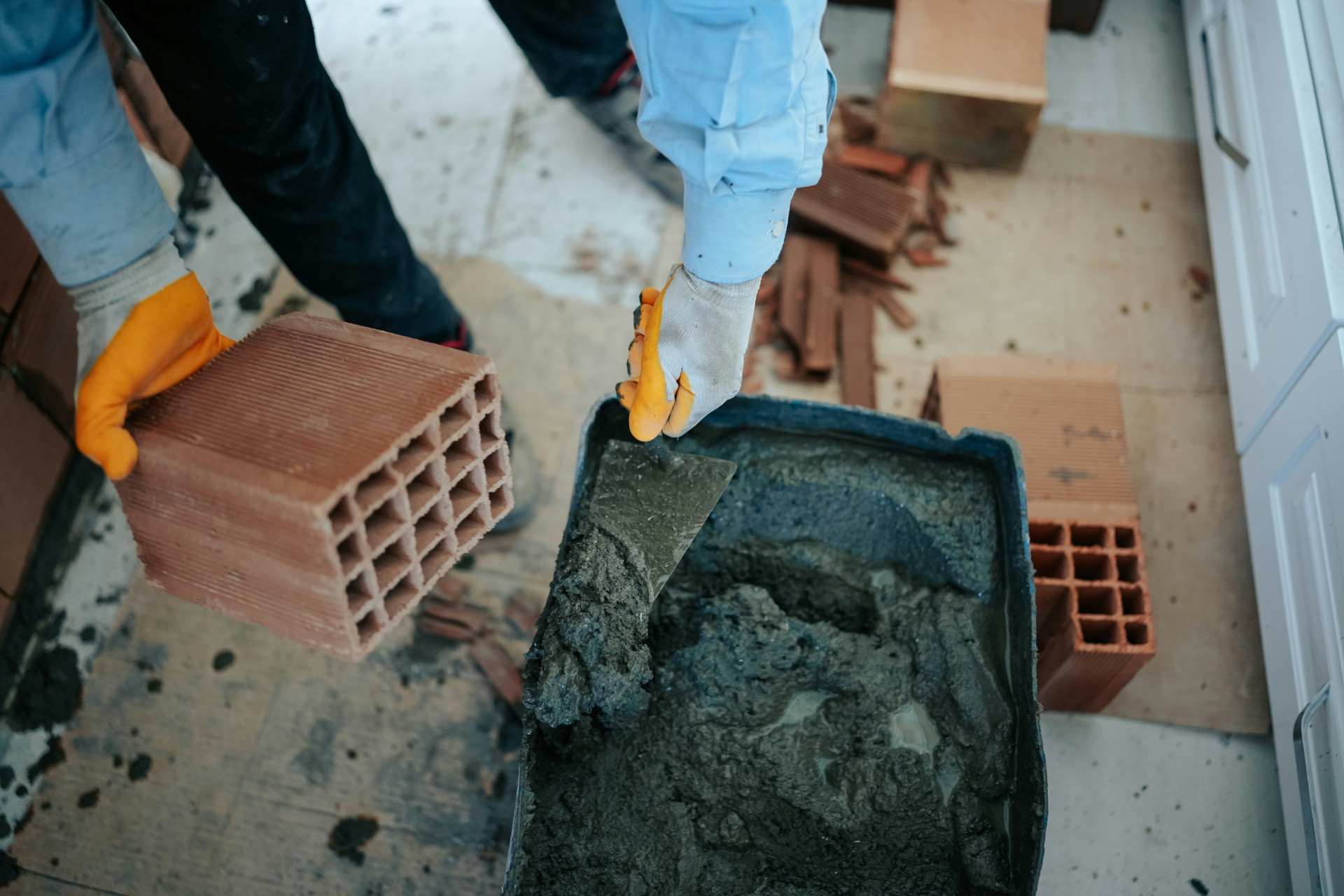
Repoint any damaged or porous mortar joints using a mix suitable for your property’s age and brick type. For older buildings, avoid hard cement mortars – they can trap moisture and worsen the problem. Lime-based mortars are often more breathable and sympathetic to traditional brickwork.
3. Improve Ventilation
Good airflow is essential to keep walls dry. Ensure that air bricks, vents and underfloor spaces are clear. In basements or coastal cottages with limited ventilation, consider installing humidity-controlled vents or using a dehumidifier during damp seasons.
4. Consider a Water-Repellent Treatment
A professional application of a breathable, water-repellent coating can help protect brickwork from rain and salt exposure. It’s crucial that the treatment allows vapour to escape – otherwise, trapped moisture can cause internal damage. Always choose a high-quality, vapour-permeable product and have it applied by an experienced contractor.
5. Check Drainage and Damp-Proofing
If moisture is rising from the ground, the issue may lie with a failed damp-proof course or inadequate drainage. Installing a new damp-proof barrier or improving the drainage around the base of the walls can often resolve the problem. These measures should be carried out by a certified damp-proofing specialist.
Prevention – The Best Long-Term Strategy
Once the damp is under control, prevention is key. Adopt these good habits:
- Clean gutters and downpipes at least twice a year.
- Inspect brickwork and pointing regularly – small repairs prevent major damage.
- Ensure the ground slopes away from the house to direct water runoff.
- Avoid sealing brickwork with non-breathable paints or coatings.
- Ventilate daily, especially in kitchens, bathrooms and utility rooms.
Keeping your brickwork dry not only protects the structure but also improves indoor air quality and comfort.
When to Call a Professional
If you’re dealing with persistent damp, mould or visible structural damage, it’s wise to seek professional help. A building surveyor or damp specialist can carry out moisture readings, identify the root cause and recommend the most effective treatment. While it may seem like an expense, professional advice can save you significant repair costs in the long run.
A Healthy Home by the Sea
Damp in coastal brickwork is a common issue across the UK’s seaside towns, but it doesn’t have to be inevitable. With regular maintenance, proper ventilation and, when needed, expert assistance, you can keep your home strong and dry – even when the sea air and storms roll in. A well-maintained, dry wall is the foundation of a healthy coastal home.