Eco-Friendly Kitchen Floors – Choose with Care

Eco-Friendly Kitchen Floors – Choose with Care
The kitchen is one of the busiest rooms in any home – a place where the floor must withstand constant wear, spills, and cleaning. It also plays a key role in creating a healthy indoor environment and reducing your household’s carbon footprint. As more people in the UK look to make sustainable choices, interest in eco-friendly kitchen flooring has grown rapidly. Here’s a guide to the most sustainable materials and what to consider when choosing a new kitchen floor.
What Makes a Kitchen Floor Eco-Friendly?
An eco-friendly floor is about more than just the material itself. The entire life cycle matters – from production and transport to durability and recyclability. A sustainable floor should ideally:
- be made from renewable or recycled materials
- have a long lifespan and be repairable rather than disposable
- be produced with low energy use and without harmful chemicals
- contribute to good indoor air quality by emitting minimal VOCs (volatile organic compounds)
When shopping, look for certifications such as FSC (for wood), PEFC, Cradle to Cradle, or the EU Ecolabel, which indicate that the product meets strict environmental standards.
Wooden Floors – A Classic with a Green Conscience
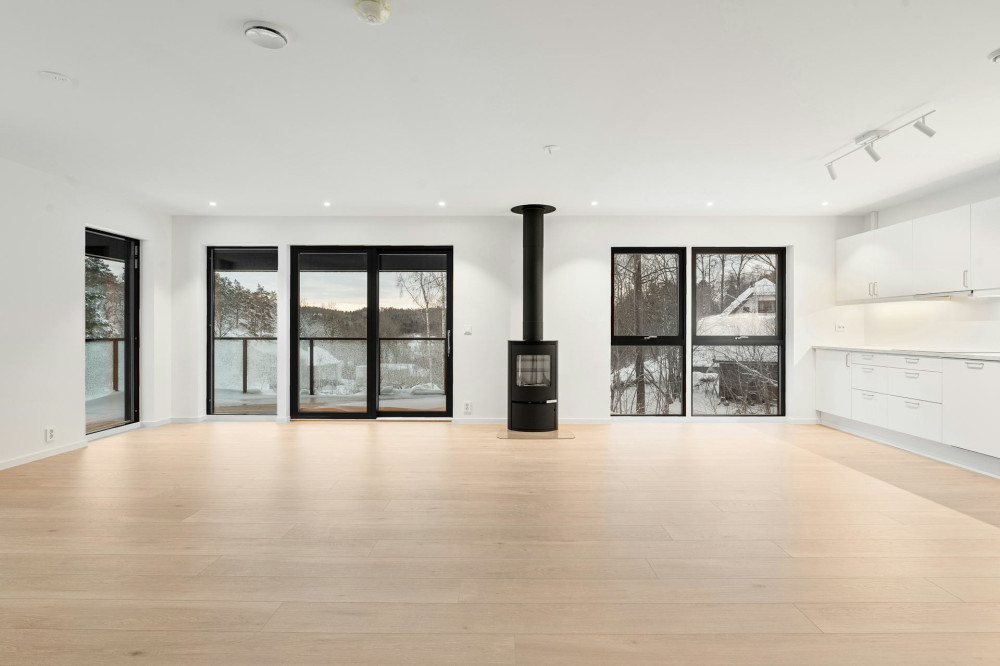
Wooden floors bring warmth and natural beauty to a kitchen. If you choose solid wood or engineered wood from responsibly managed forests (FSC- or PEFC-certified), you’ll get a low-carbon option that can last for decades.
Wood does require some care: it needs to be sealed with oil or lacquer, and spills should be wiped up quickly to prevent staining. The advantage is that wooden floors can be sanded and refinished several times, extending their life considerably.
Bamboo is another excellent choice. Technically a grass, it grows extremely fast and absorbs large amounts of CO₂, making it one of the most sustainable flooring materials available.
Linoleum – Natural and Hard-Wearing
Linoleum has made a strong comeback in recent years. Made from natural ingredients such as linseed oil, wood flour, resin, and jute, it’s biodegradable and recyclable. Linoleum is durable, easy to clean, and available in a wide range of colours and patterns – ideal for a busy kitchen.
It does need proper sealing and occasional maintenance to preserve its surface, but it offers a comfortable, slightly springy feel underfoot and helps reduce noise levels.
Cork – Soft, Warm, and Renewable
Cork flooring is made from the bark of the cork oak tree, which regenerates after harvesting – no trees are cut down. This makes cork a renewable and eco-friendly material. It’s naturally insulating against both heat and sound and feels pleasantly soft underfoot – perfect for long hours spent cooking.
Modern cork floors come with protective finishes that resist water and dirt, though standing moisture should still be avoided. Cork is a great choice if you want a warm, comfortable floor with minimal environmental impact.
Tiles and Stone – Durable but Energy-Intensive
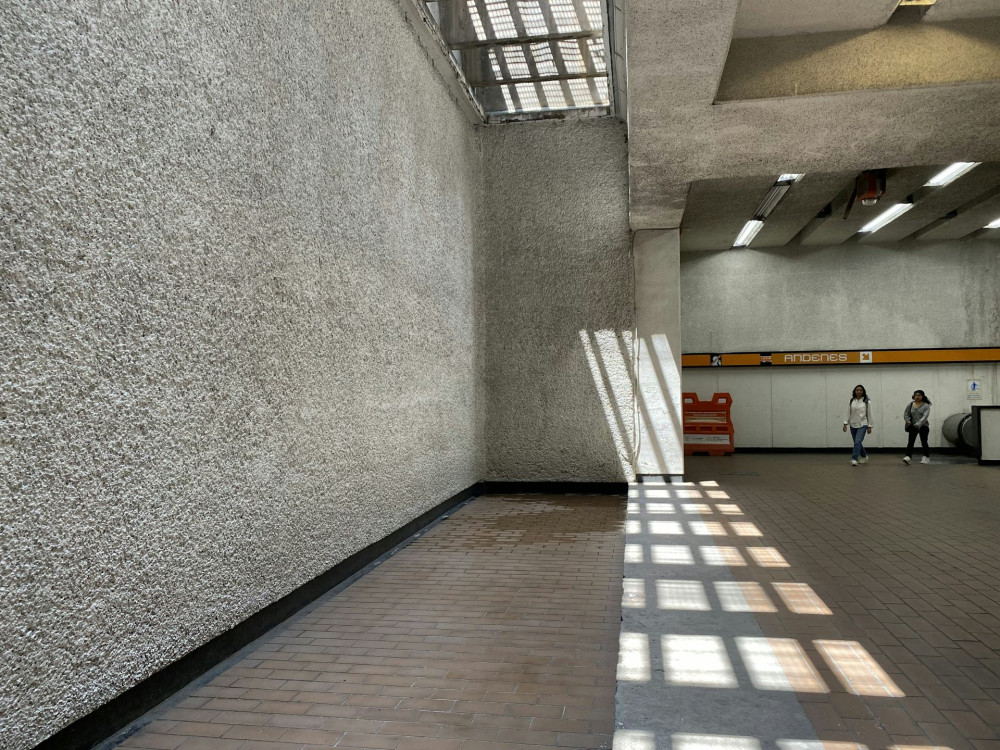
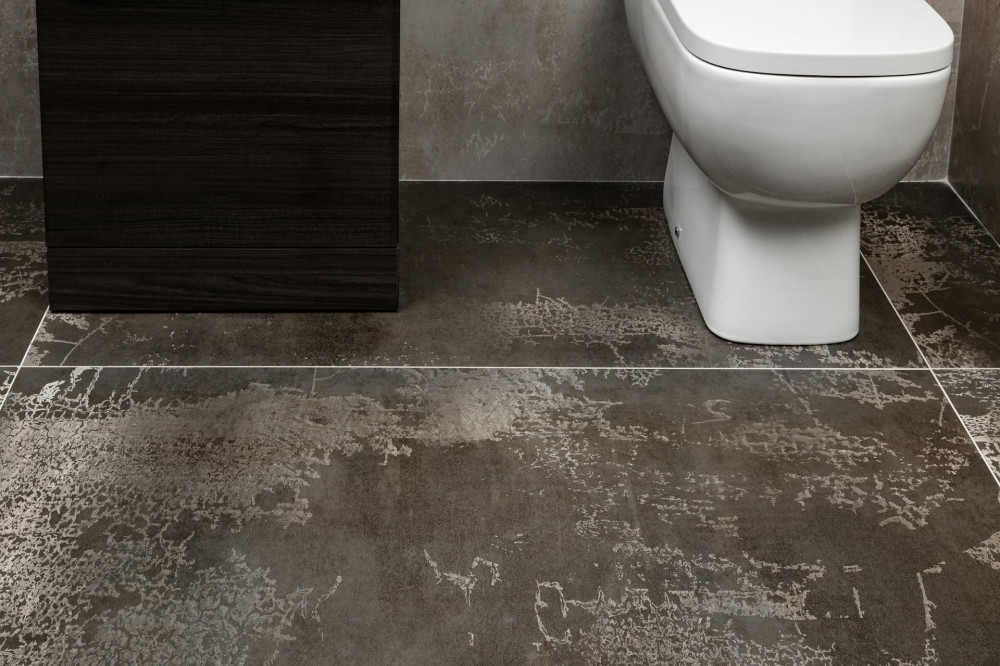
Ceramic tiles and natural stone are extremely durable and require little maintenance. Their longevity makes them sustainable in the long run. However, the production of tiles and the transport of stone can be energy-intensive.
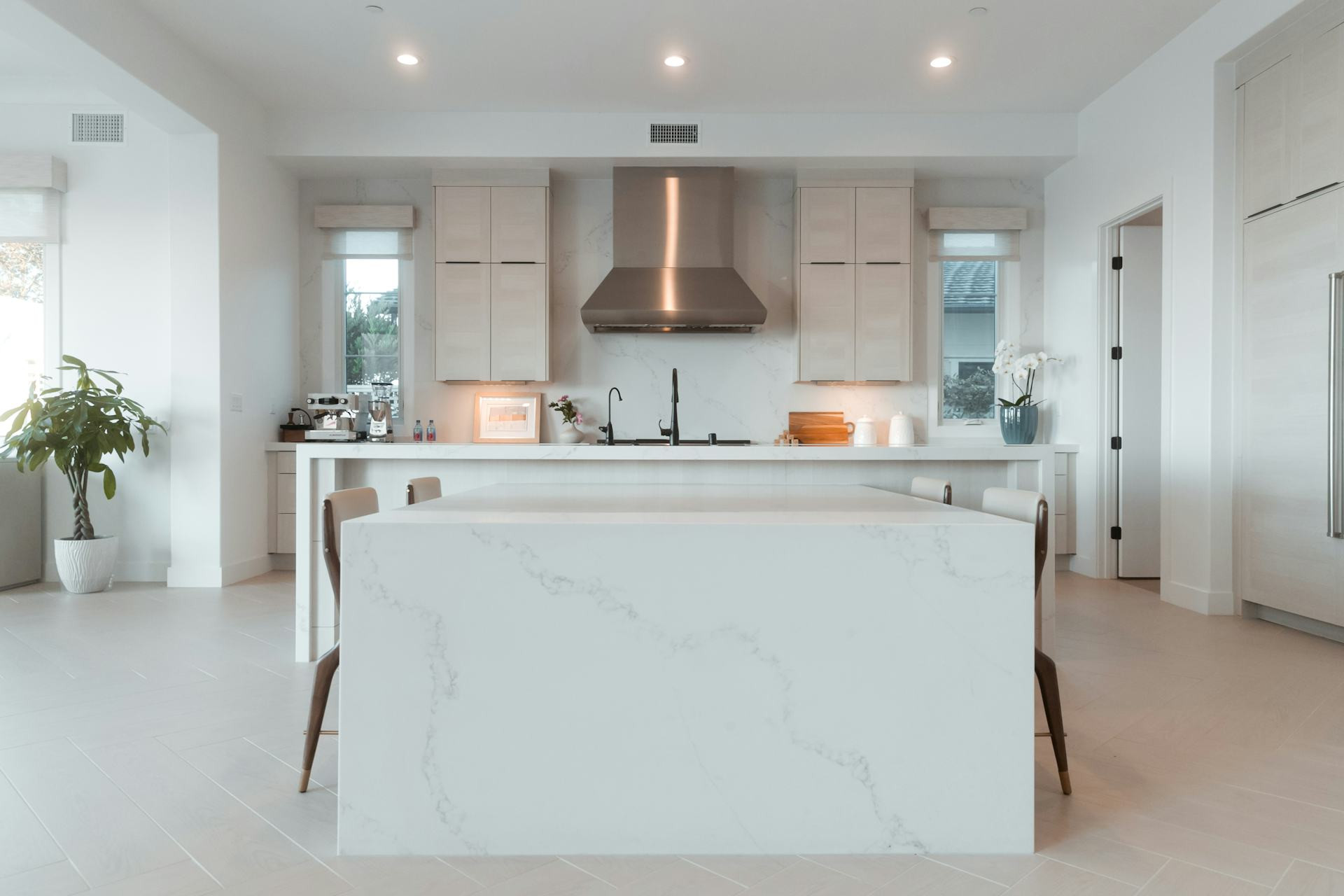
To reduce the environmental impact, look for tiles made with recycled content or locally produced materials. Combined with underfloor heating, tiles can also be energy-efficient, as they conduct and retain heat well.
Vinyl and Laminate – Choose Carefully
Vinyl and laminate floors are affordable and practical, but not always the greenest options. Traditional vinyl contains PVC and plasticisers that can release harmful substances. However, newer versions made without phthalates and with recycled content are a better choice.
Laminate flooring typically has a wood-fibre core and a plastic surface layer. It can be difficult to recycle, but some manufacturers now offer take-back schemes and eco-certified products. If you opt for laminate, look for the EU Ecolabel or FSC certification.
How to Choose the Right Floor for Your Kitchen
Finding the right floor is about balancing function, style, and sustainability. Consider:
- Durability: How much foot traffic does your kitchen get?
- Maintenance: How much time are you willing to spend on upkeep?
- Comfort: Do you prefer a soft, warm surface or a hard, cool one?
- Environmental impact: Is the material renewable, and can it be recycled?
An eco-friendly choice isn’t necessarily the most expensive – but it does require looking at the product’s entire life cycle, not just the purchase price.
Læs også:
A Floor That Lasts – for You and the Planet
A sustainable kitchen floor is an investment in both your home and the environment. By choosing materials thoughtfully, you can create a beautiful, practical, and responsible kitchen that will stand the test of time. It’s not about finding the perfect floor, but about making a choice that suits your lifestyle – and respects the planet.
Læs også: