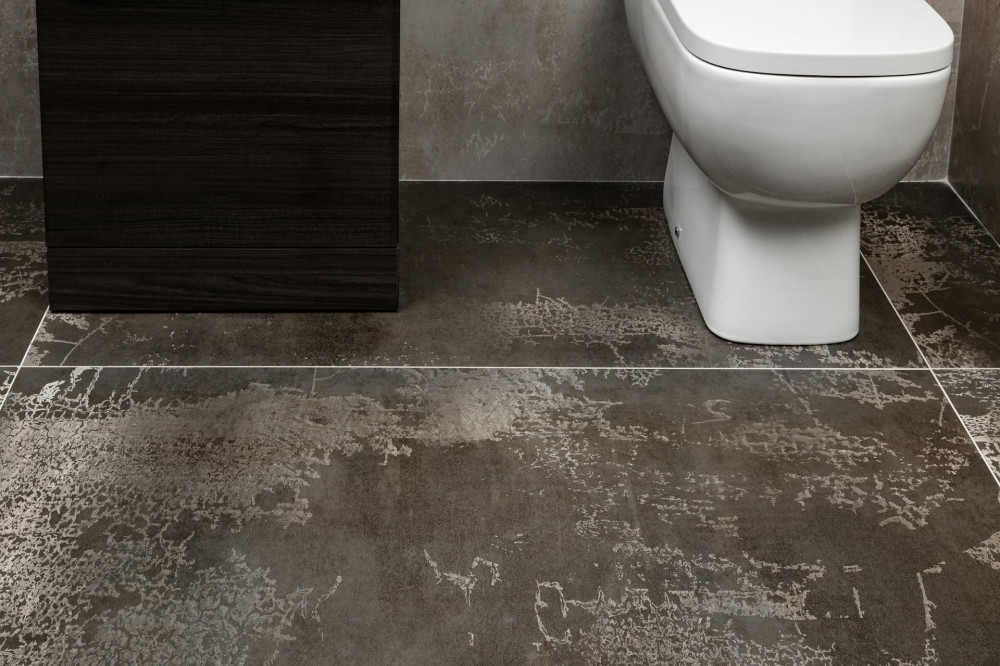
Neutral floor colours as a base for a flexible interior

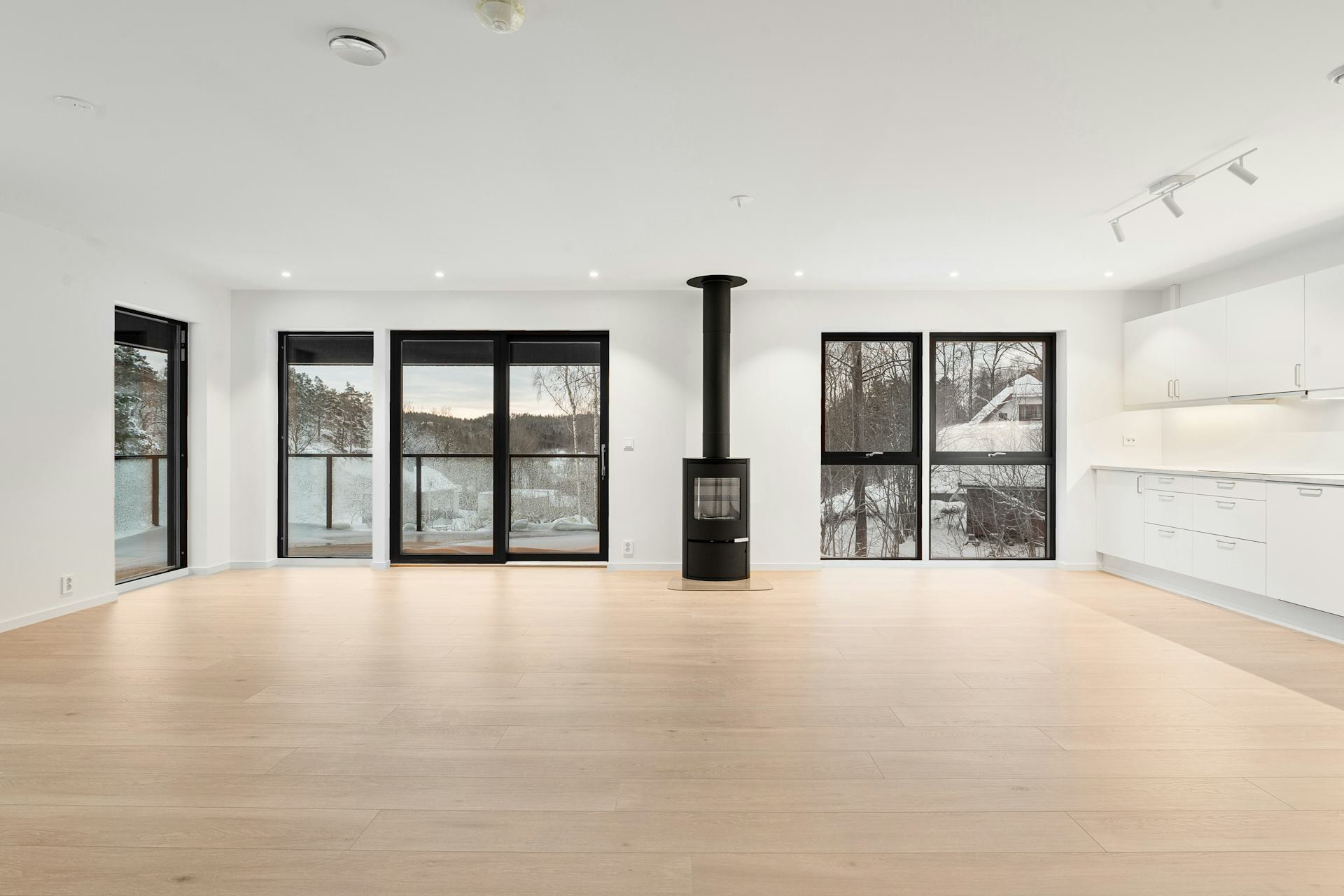
Neutral floor colours as a base for a flexible interior
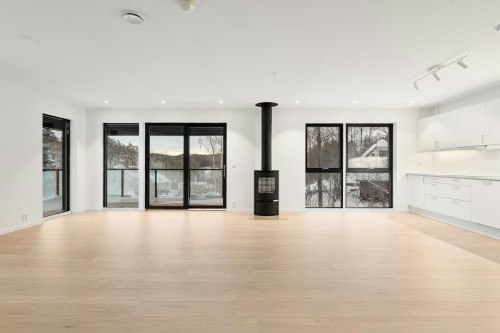
When designing a home, the floor is often the element that ties the entire space together. It sets the tone for colours, furniture and atmosphere – which is why the choice of floor colour plays such an important role. Neutral floor shades such as light grey, beige, sand and natural wood have become increasingly popular in British homes, as they offer both calmness and flexibility. They act as a subtle backdrop that allows other design elements to stand out – and make it easy to refresh your interior style over time.
Why choose neutral floor colours?
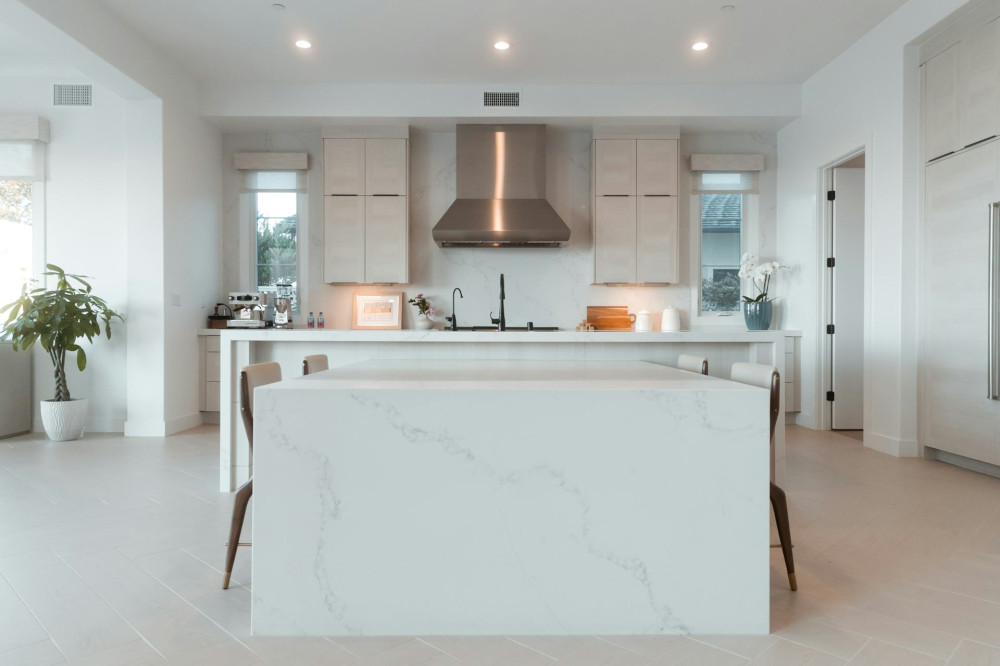
A neutral floor creates balance and harmony in a room. It reflects light in a soft, natural way, helping even smaller spaces feel brighter and more open – a valuable quality in many UK homes where natural light can be limited. Neutral tones also complement a wide range of interior styles, from contemporary and minimalist to traditional and rustic.
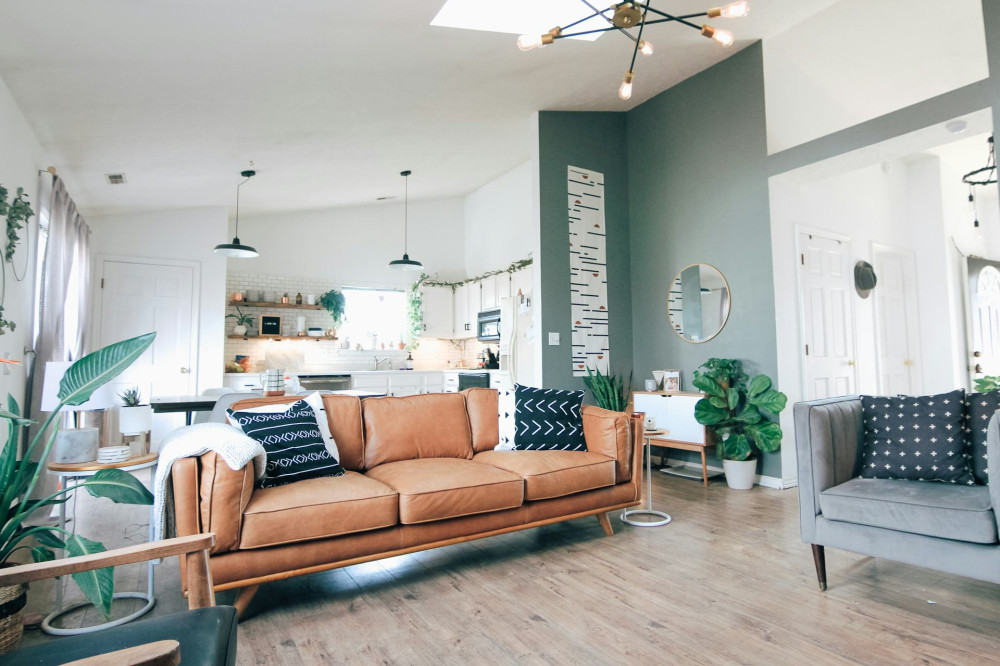
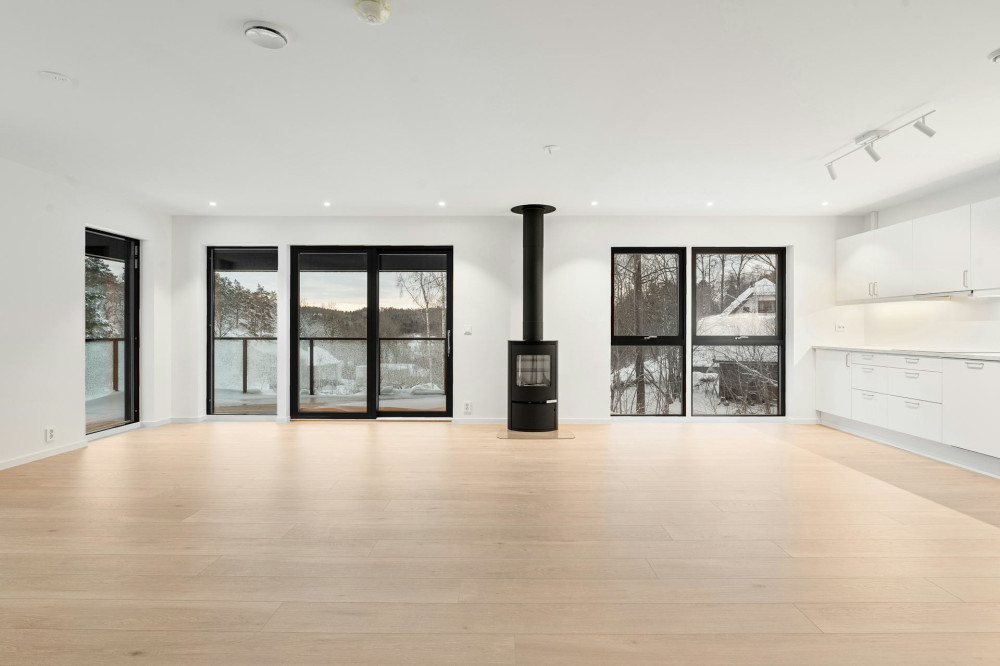
A pale oak floor or a grey-toned laminate, for example, can serve as a versatile foundation. You can pair it with bold wall colours and patterned textiles for a lively, personal touch, or keep the palette muted for a calm, understated look. This adaptability makes neutral floors a safe and timeless choice for anyone who wants a home that can evolve with changing tastes.
A practical and stylish solution
Beyond their aesthetic appeal, neutral floor colours are also practical. Mid-toned surfaces tend to show less dust, scratches and everyday wear than very dark or very light floors. This makes them ideal for busy households, families with children, or homes with pets – where durability and easy maintenance are key.
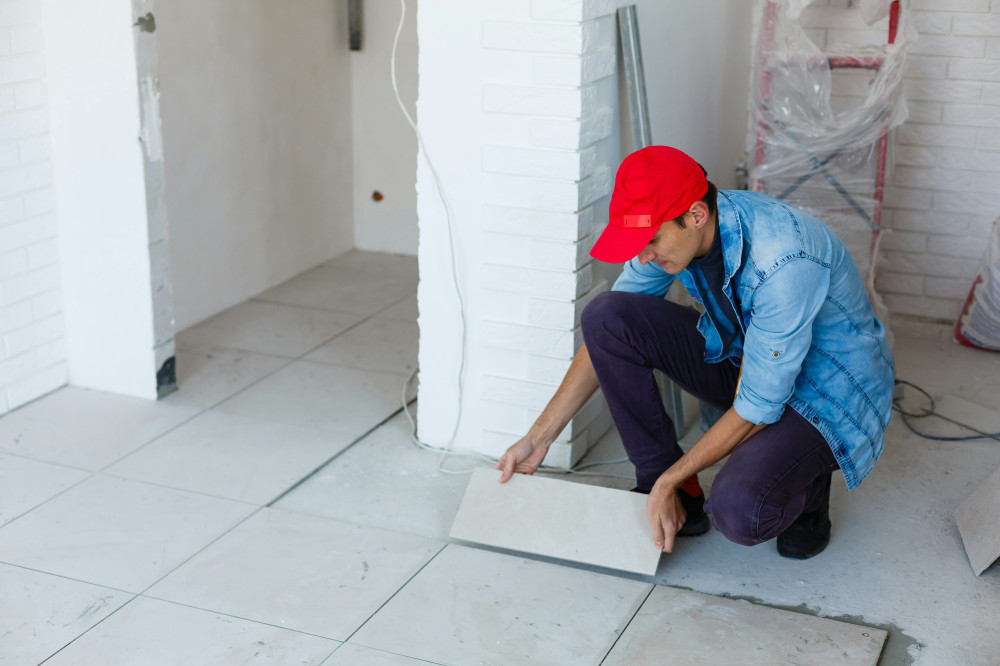
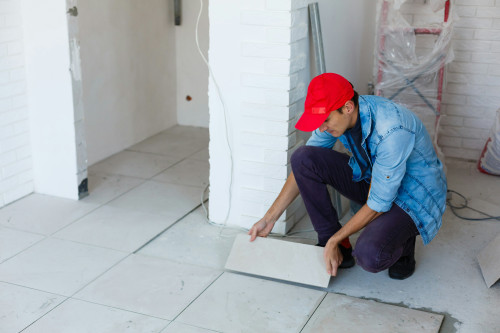
There are plenty of material options to choose from: engineered wood, vinyl, laminate and tiles in neutral shades can all create an elegant and enduring look. Choosing a natural material such as wood adds warmth and texture, bringing life to the room even within a subtle colour scheme.
Læs også:
Change your style without changing your floor
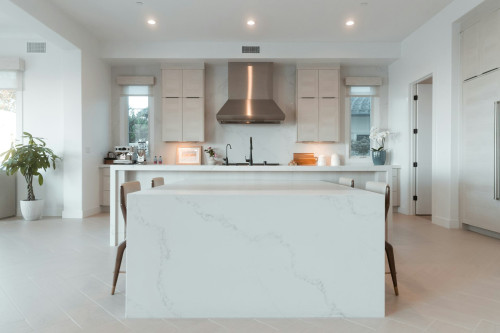
One of the greatest advantages of neutral flooring is the freedom it gives you to update your interior without major renovation. You can easily refresh the look of a room with new wall colours, furniture or accessories, knowing that the floor will still work beautifully with the new design. This flexibility is particularly appealing for those who enjoy following interior trends or simply like to change things up from time to time.
A beige-toned floor, for instance, can complement both warm earthy hues and cooler blues or greys. Similarly, a soft grey floor can support anything from an industrial loft style to a romantic country look. The key is to see the floor as a flexible framework rather than a fixed design decision.
How to choose the right shade
When selecting a neutral floor colour, consider the room’s natural light and size. In bright, sunlit spaces, cooler greys can create a sophisticated and airy feel, while warmer beige or honey tones can add cosiness to rooms with less daylight – a common consideration in many British homes. Always test samples in the actual space, as lighting conditions can dramatically change how a colour appears.
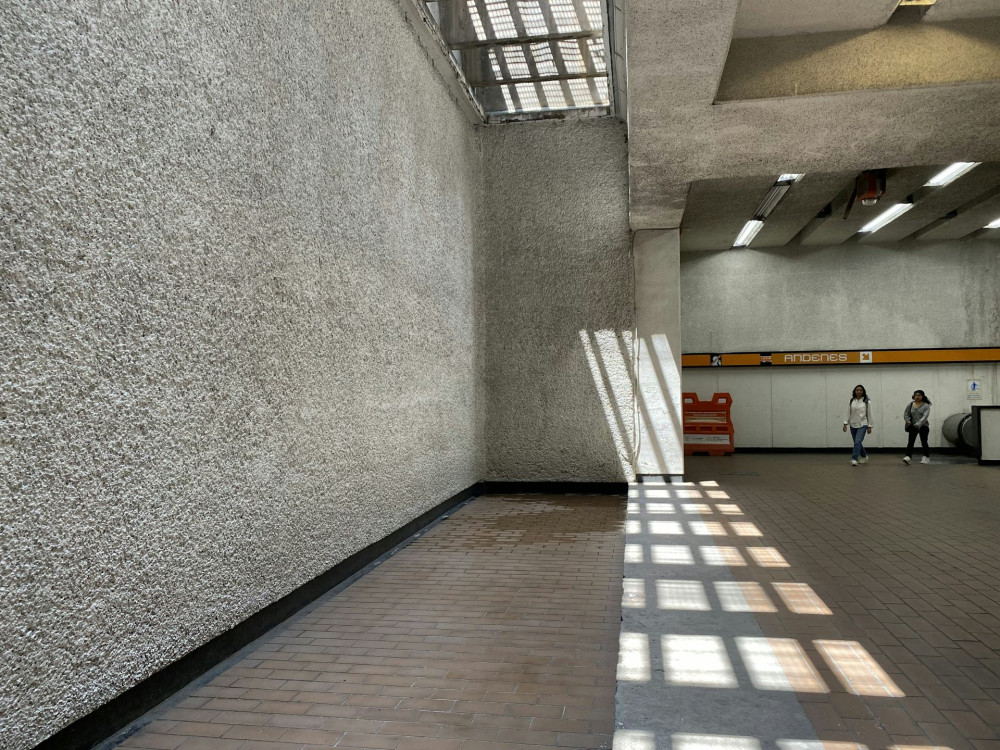
Also think about how the floor interacts with walls, ceilings and furnishings. A neutral floor doesn’t have to be plain; subtle variations in grain, texture or tone can add depth and character without overwhelming the room.
A timeless choice with endless possibilities
Neutral floor colours are more than just a design trend – they’re a timeless foundation that brings calm, flexibility and visual harmony to your home. Whether your style leans modern, classic or eclectic, a neutral floor provides the perfect base for personal expression.
By choosing a subdued floor colour, you’re investing in an interior that can grow and change with you – one that always feels balanced and inviting, no matter how your style evolves.
Læs også: