Flat Roof: The Key Advantages and Disadvantages You Should Know

Flat Roof: The Key Advantages and Disadvantages You Should Know
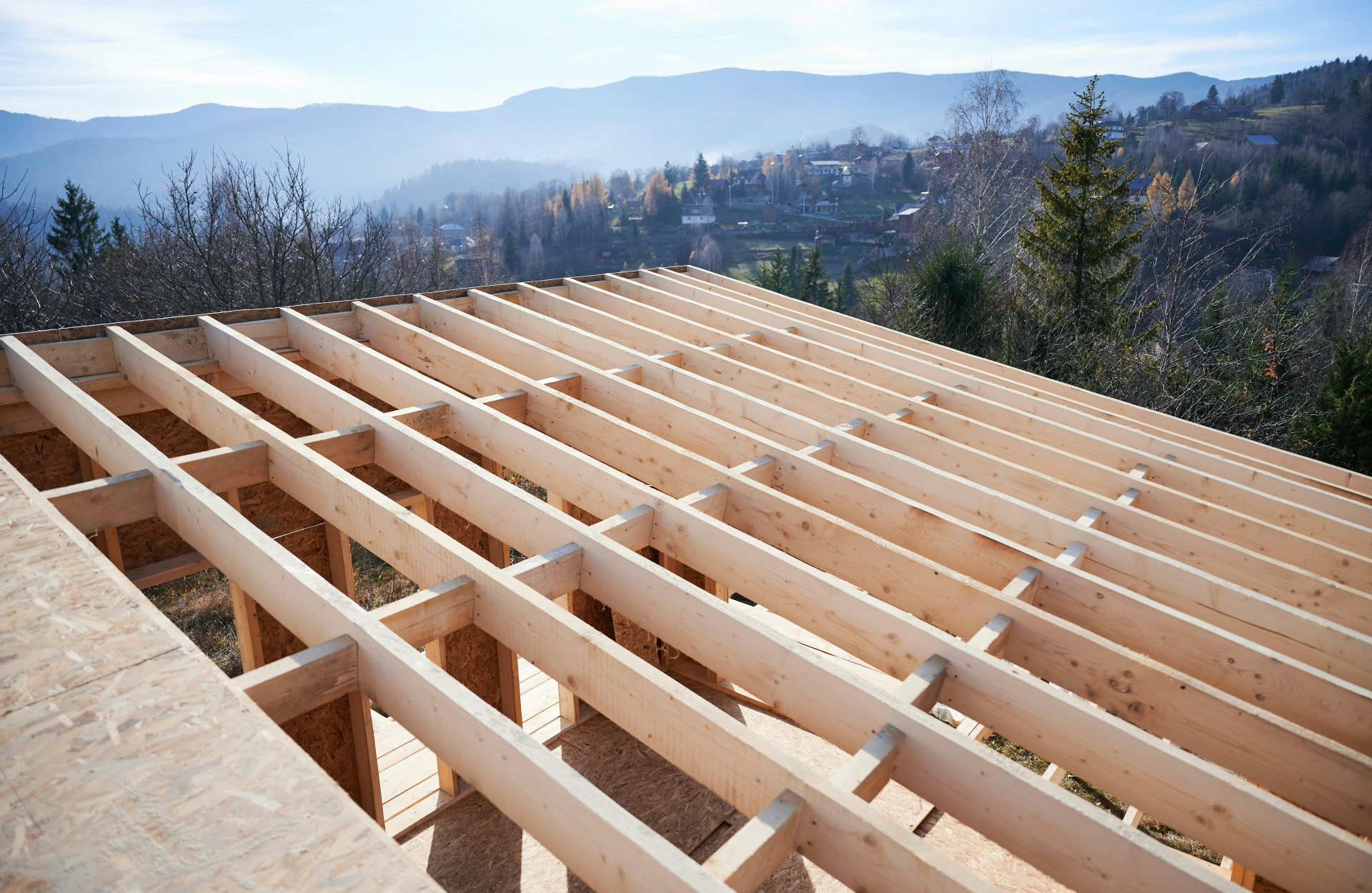
Flat roofs have become an increasingly popular choice in modern British architecture – from home extensions and garden offices to commercial buildings. They offer a sleek, contemporary look, make efficient use of space, and can even serve as an extra outdoor area. However, a flat roof also comes with specific design and maintenance requirements. Here’s an overview of the main advantages and disadvantages you should consider before making your decision.
What Is a Flat Roof?
A flat roof isn’t completely level – it usually has a slight pitch of around 1–3 degrees to allow rainwater to drain away. Common materials include bitumen felt, EPDM rubber, PVC membranes, or green roof systems with vegetation. In the UK, flat roofs are often seen on modern homes, extensions, and mid-century properties, where their clean lines complement minimalist design.
The Advantages of a Flat Roof
There are several reasons why homeowners and developers choose flat roofs – both for their aesthetics and practicality.
1. Modern and minimalist appearance
A flat roof gives a building a contemporary, streamlined look that suits modern architecture. It can also make a property appear lower and more integrated with its surroundings.
2. Efficient use of space
A flat roof can be used as a functional area – for example, as a roof terrace, a place for solar panels, or a green roof. This is particularly valuable in urban areas where outdoor space is limited.
3. Easier access and maintenance
It’s generally safer and simpler to walk on a flat roof than on a pitched one. This makes it easier to inspect, clean gutters, and carry out minor repairs.
4. Ideal for eco-friendly solutions
Flat roofs are well suited to green roofs or solar installations. A green roof can improve insulation, reduce stormwater runoff, and support biodiversity – all of which contribute to a more sustainable home.
5. Design flexibility
Flat roofs allow for more flexible interior layouts, as there’s no need to accommodate sloping ceilings or loft spaces. This can result in more usable indoor space and a more open, modern feel.
The Disadvantages of a Flat Roof
Despite their benefits, flat roofs also have some drawbacks that are important to understand.
1. Risk of leaks and water damage
Because of the low pitch, water can pool if drains or outlets become blocked. Standing water increases the risk of leaks and damage to the roofing membrane, especially if maintenance is neglected.
2. Requires skilled installation
Flat roofs demand high-quality workmanship and materials. Even small errors in sealing or joints can lead to leaks. It’s essential to hire experienced professionals familiar with flat roof systems.
3. Shorter lifespan than pitched roofs
Although modern materials are more durable than in the past, flat roofs generally have a shorter lifespan than tiled or slate roofs. Typically, the covering will need replacement after 20–30 years.
4. Limited insulation options during renovation
Adding extra insulation to an existing flat roof can be challenging without altering the roof height or drainage. This often makes retrofitting more complex and costly than with pitched roofs.
5. Potential issues with snow and ice
In colder parts of the UK, snow and ice can accumulate on a flat roof, increasing the load and potentially blocking outlets. Regular checks during winter are advisable.
How to Maintain a Flat Roof
A well-built flat roof can last for decades if properly maintained. Here are some key maintenance tips:
- Clear drains and outlets at least twice a year to ensure proper water flow.
- Inspect the surface for cracks, blisters, or loose seams.
- Remove debris and moss, which can trap moisture.
- Watch for standing water, as it may indicate poor drainage.
- Schedule professional inspections every few years to catch early signs of wear.
When Does a Flat Roof Make Sense?
A flat roof is an excellent choice if you want a modern aesthetic, plan to install solar panels, or wish to create a roof terrace. It’s particularly suitable for new builds or extensions where the structure can be designed from scratch. However, converting an existing pitched roof to a flat one can be expensive and technically demanding.
It’s also worth considering the local climate. In areas with heavy rainfall, such as parts of western Britain, extra attention must be paid to drainage and waterproofing.
Conclusion: A Stylish Choice That Demands Care
A flat roof can give your property a sleek, functional upgrade – but it requires thoughtful planning and regular upkeep. You’ll benefit from a modern look and versatile use of space, but you must also invest in quality materials and professional installation. With proper design and maintenance, a flat roof can be both beautiful and durable, perfectly suited to contemporary British living.