Insulation of Heating Pipes: The Most Commonly Used Materials and Their Properties

Insulation of Heating Pipes: The Most Commonly Used Materials and Their Properties
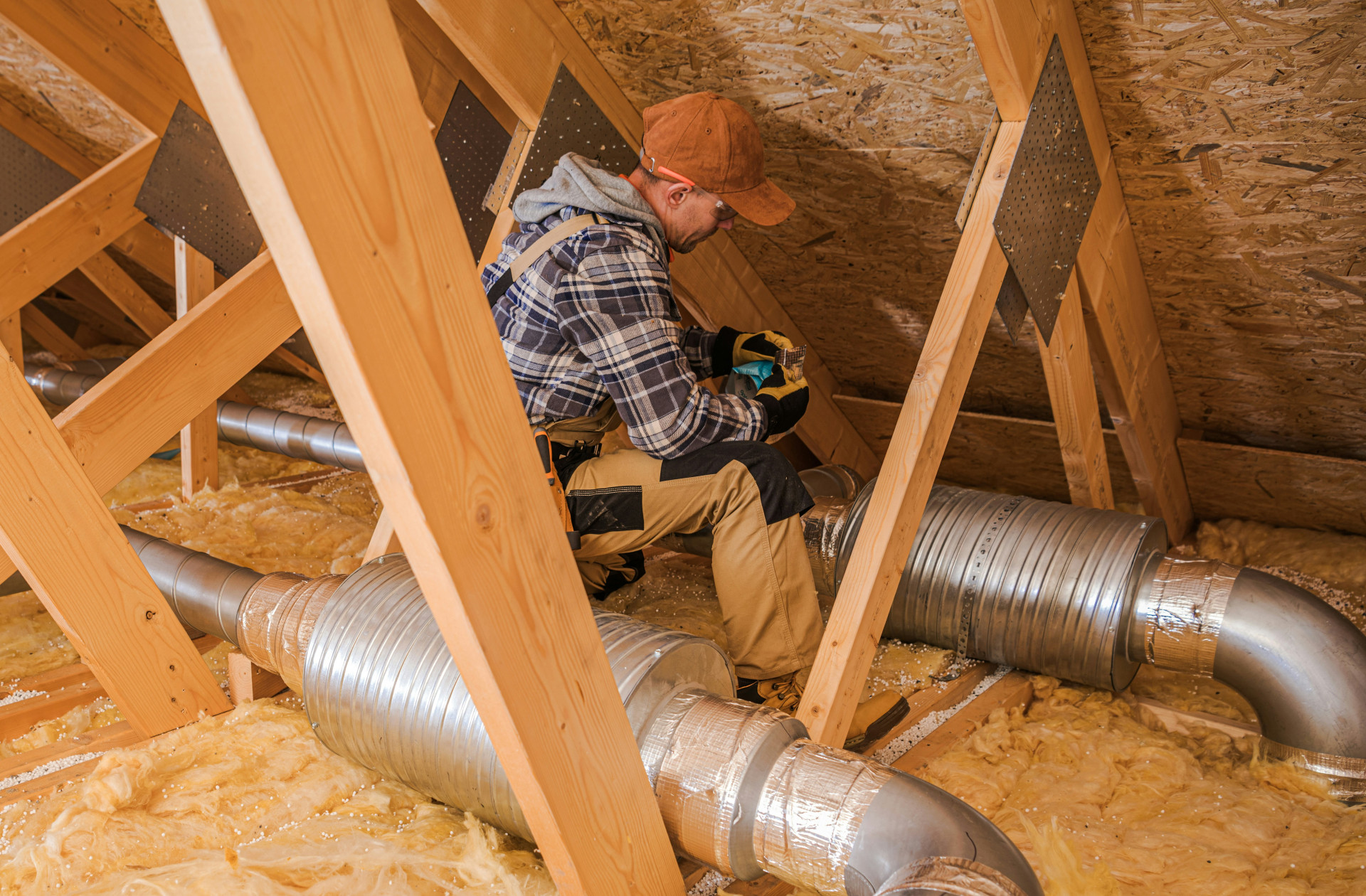
When you insulate your heating pipes, it’s not just about saving money on your energy bills – it’s also about comfort, efficiency, and durability. Uninsulated pipes can lose a significant amount of heat, especially in lofts, garages, and other unheated spaces. With proper insulation, you can reduce energy consumption, extend the lifespan of your pipework, and prevent condensation and frost damage. Here’s an overview of the most commonly used materials for pipe insulation in the UK and their key properties.
Why Insulate Heating Pipes?
Heating pipes carry hot water from your boiler to radiators, underfloor heating systems, or hot water taps. Along the way, a lot of heat can be lost if the pipes are not insulated. This means your boiler has to work harder to maintain the desired temperature, increasing both energy use and costs.
Insulating your heating pipes offers several benefits:
- Energy savings: Less heat loss means lower heating bills.
- Improved comfort: Hot water reaches radiators and taps more quickly.
- Condensation prevention: Insulation helps avoid moisture and corrosion on cold pipes.
- Environmental benefits: Reduced energy use lowers your carbon footprint.
In the UK, the Building Regulations (Part L) require that new and replacement heating systems are properly insulated. Even in older homes, retrofitting pipe insulation is a simple and cost-effective upgrade.
The Most Common Insulation Materials
There are several types of materials used for pipe insulation, and the best choice depends on where the pipes are located, the operating temperature, and your priorities regarding cost, durability, and fire safety.
1. Mineral Wool (Glass Wool and Rock Wool)
Properties: Mineral wool is a traditional and widely used insulation material. It offers excellent thermal performance and can withstand high temperatures. It is also non-combustible and provides some sound insulation.
Advantages:
- High temperature resistance
- Excellent fire performance
- Easy to cut and fit
- Available as pre-formed pipe sections in various sizes
Disadvantages:
- Can irritate skin and eyes during installation
- Needs moisture protection in damp environments
Mineral wool is ideal for heating and hot water pipes in plant rooms, basements, and other dry areas.
2. Foam Insulation (Polyethylene and Polyurethane)
Properties: Foam insulation, particularly polyethylene (PE) and polyurethane (PUR), is lightweight and has low thermal conductivity. It is often supplied as flexible tubes that can be easily fitted around existing pipes.
Advantages:
- Lightweight and flexible
- Easy to cut and install
- Good insulation performance for its thickness
- Available with self-sealing joints
Disadvantages:
- Limited temperature resistance
- Less fire-resistant than mineral wool
PE foam is commonly used for domestic heating pipes where temperatures do not exceed around 90 °C, while PUR foam can handle slightly higher temperatures and is often used in pre-insulated pipe systems.
3. Elastomeric Foam (e.g. Armaflex)
Properties: Elastomeric foam is a closed-cell material with excellent resistance to moisture and condensation. It is suitable for both heating and cooling systems, making it a versatile choice for mixed installations.
Advantages:
- Very low water vapour permeability
- Flexible and easy to install
- Good thermal performance
- Available in a wide range of thicknesses and diameters
Disadvantages:
- More expensive than PE foam
- Limited fire resistance compared to mineral wool
Elastomeric foam is ideal for areas where both thermal insulation and moisture protection are required, such as plant rooms, lofts, and air conditioning systems.
4. Cellular Glass (Foam Glass)
Properties: Cellular glass is a rigid, inorganic material that is completely impermeable to moisture, oil, and most chemicals. It is mainly used in industrial and commercial applications where durability and fire safety are critical.
Advantages:
- 100% moisture and vapour proof
- Very high compressive strength
- Long service life
- Non-combustible
Disadvantages:
- High cost
- Requires precise installation
While rarely needed in domestic settings, cellular glass is an excellent choice for demanding technical installations or outdoor pipework exposed to harsh conditions.
Choosing the Right Insulation Thickness
The required insulation thickness depends on the pipe diameter, water temperature, and the environment in which the pipes are installed. As a general rule, the greater the temperature difference between the water and the surrounding air, the thicker the insulation should be. The UK Building Regulations provide minimum standards, but opting for a slightly thicker layer can often deliver better energy savings and faster payback.
Installation and Maintenance
Pipe insulation can often be installed as a DIY project, especially on visible pipework in lofts or airing cupboards. Use pre-formed pipe sections that fit snugly around the pipes, and ensure all joints are sealed to prevent heat loss. For outdoor or damp locations, choose materials with a built-in vapour barrier or finish the insulation with a weatherproof covering.
Inspect the insulation periodically for signs of wear, moisture, or damage. Damaged insulation should be replaced promptly to maintain its effectiveness.
A Small Investment with Big Returns
Insulating your heating pipes is one of the simplest and most cost-effective energy improvements you can make in your home. It requires only a modest investment but can deliver noticeable savings year after year. At the same time, you’ll be reducing your energy consumption and contributing to a more sustainable, energy-efficient home.