Keep Schoolchildren Motivated for Creative Play

Keep Schoolchildren Motivated for Creative Play
When children start school, their daily routines change dramatically. Timetables, homework, and structured activities take up more space, and time for free play can quickly disappear. Yet creative play is vital for children’s development – socially, emotionally, and cognitively. It fuels imagination, problem-solving, and collaboration, and it gives children a space to express themselves without pressure to perform. Here are some ideas for how parents and carers in the UK can help schoolchildren stay motivated to play and create.
Make Time and Space for Play
The first step is to make room for play – both in the schedule and in the home. Many children have busy days filled with school, clubs, and screen time, leaving little opportunity to unwind. Try setting aside “play breaks” during the day, when your child decides what to do. It could be half an hour after homework or a calm moment before dinner.
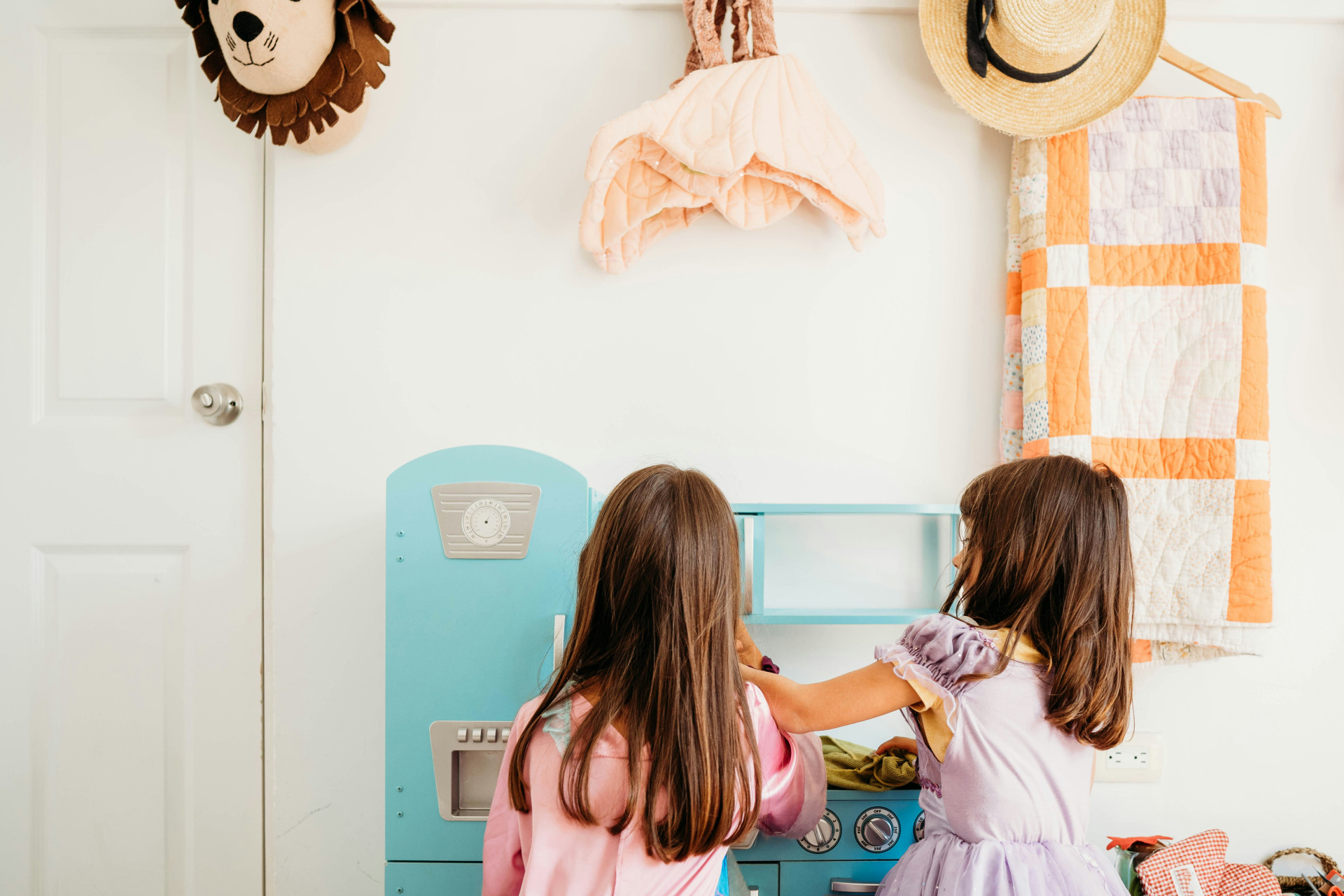
A play-friendly space also helps. It doesn’t need to be large or fancy – just a corner where your child can build, draw, cut, glue, or invent stories. Keep materials like paper, crayons, cardboard boxes, and fabric scraps visible and easy to reach, so creativity can start at any moment.
Allow Mess and Experimentation
Creative play is rarely tidy. It might involve paint on fingers, paper on the floor, or towers of blocks that collapse. As adults, it’s tempting to step in, but try to let your child lead the process. When children are free to experiment without correction, their confidence and curiosity grow.
You can support them by asking open-ended questions such as, “What do you think will happen if you try it another way?” or “How did you come up with that idea?” This shows interest without taking control.
Use the Outdoors as a Playground
Creative play doesn’t have to happen indoors. The outdoors offers endless inspiration. A stick can become a magic wand, a sword, or a fishing rod; stones can turn into treasures or characters. Take short trips to the park, woods, or beach, and let your child collect natural materials for play and small projects.
You can also combine nature and creativity by making leaf collages, building tiny dens from branches, or playing nature bingo, spotting different shapes and colours.
Balance Screen Time – Without Bans
Digital devices are part of modern childhood, but too much screen time can limit free play. Instead of banning screens altogether, help your child find a healthy balance. Set agreed times when screens are off and space is made for play, movement, and creativity.
Technology can also be used creatively – children might take photos of their constructions, record short films, or make digital drawings. The key is to use screens as tools for creativity, not as replacements for play.
Play Together – But Let the Child Lead
Children love it when adults join in their play, but it’s important to follow their lead. Ask what role you should take or how you can help, rather than directing the activity. When you take your child’s ideas seriously, they feel valued and understood.
Shared play also strengthens your relationship. It doesn’t have to happen every day – even small moments of laughter, building, or storytelling together can make a big difference.
Praise the Process, Not the Product
Creative play isn’t about producing something perfect; it’s about exploring and expressing. Instead of praising the finished result, focus on the effort: “You’ve used so many bright colours here,” or “I can see you thought carefully about how to make it stand up.” This kind of feedback encourages motivation and a willingness to try again.
Creative Play as a Counterbalance to Pressure
School life can quickly become focused on right and wrong answers, tests, and comparisons. Creative play offers a space where there are no mistakes – only possibilities. It’s where children learn to think independently, take risks, and find joy in the process. And those creative, flexible thinking skills are among the most valuable they can carry with them into the future.