Light and Durable: Combine Materials for Optimal Use of Space

Light and Durable: Combine Materials for Optimal Use of Space
When space is limited and every square metre counts, smart design is all about balance – between strength, lightness, and style. By combining different materials, you can create solutions that are both practical and visually appealing. Whether you’re setting up a compact home office, a garden workshop, or a small flat, the right mix of materials can make a remarkable difference.
Why Combine Materials?
Each material brings its own advantages and challenges. Wood adds warmth and character but can be heavy. Metal is strong and long-lasting but sometimes feels cold or industrial. Plastics and composites are lightweight and versatile, though they may lack the natural texture of wood. By blending them, you can make the most of each material’s strengths and minimise their weaknesses.
A classic example is a desk with a steel frame and an oak veneer top. The steel provides stability and durability, while the wood adds a tactile, inviting surface. The result is a piece that’s both sturdy and easy to move – ideal for flexible living spaces.
Lightweight Construction – Strong Performance
In smaller homes or studios, weight and adaptability are key. Lightweight structures make it easier to rearrange furniture and adjust the layout as your needs change. Consider using materials such as:
- Aluminium – light, corrosion-resistant, and perfect for frames or shelving systems.
- Plywood – strong for its weight and easy to cut or shape.
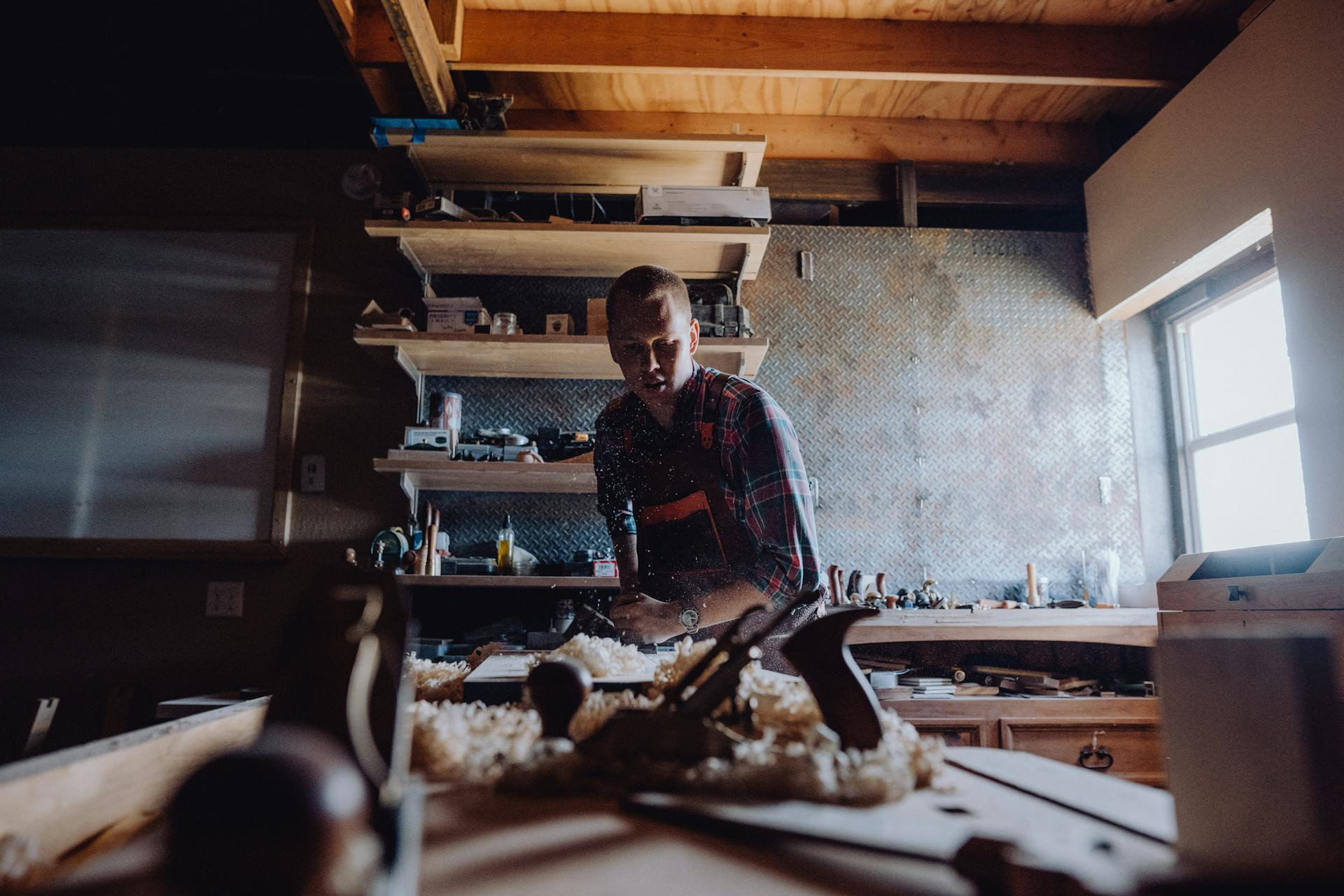
- Perforated steel panels – great for tool storage or modular wall systems.
- Composite materials – combine strength and low weight, ideal for worktops or partitions.
Modular designs are especially useful. Furniture that can be taken apart, extended, or reconfigured helps you make the most of every inch of space.
Make Use of Walls and Ceilings
When floor space is scarce, think vertically. Walls and ceilings often hold untapped potential. Here again, combining materials can enhance both function and appearance.
A wall panel made from plywood with metal fittings can support shelves, hooks, or storage bins that can be rearranged as needed. For lighter items, use fabric pockets or plastic containers to keep weight down and add a softer touch.
Ceilings can also be used for hanging bikes, lighting, or storage boxes – especially with lightweight but strong aluminium brackets or steel cables.
Balancing Industrial and Warm Elements
Combining materials isn’t just about practicality – it’s also about atmosphere. A room made entirely of metal and plastic can feel sterile, while one dominated by wood and fabric might seem heavy or cluttered.
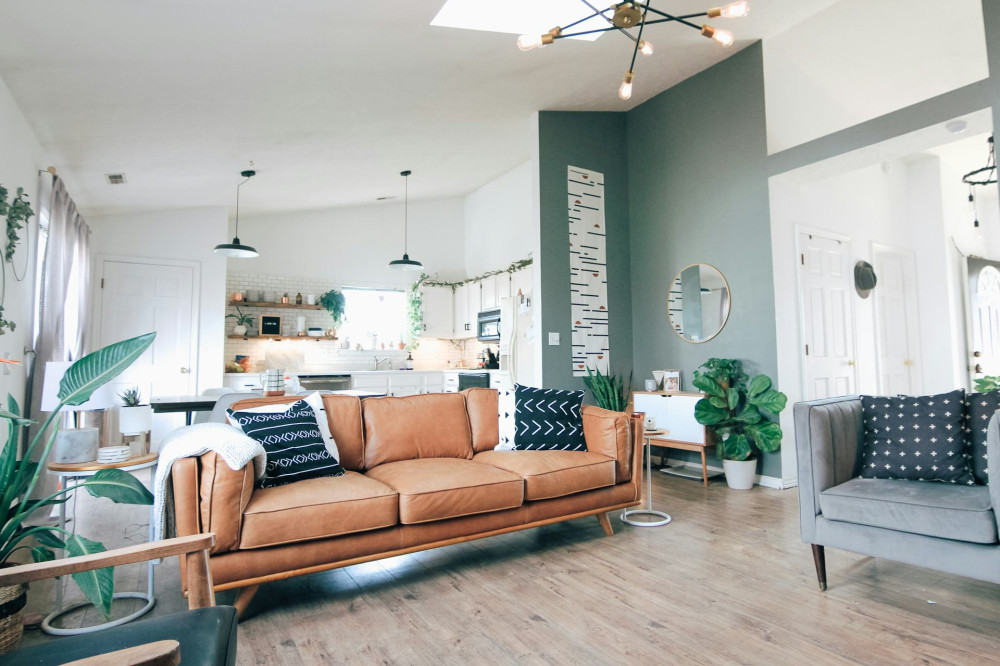
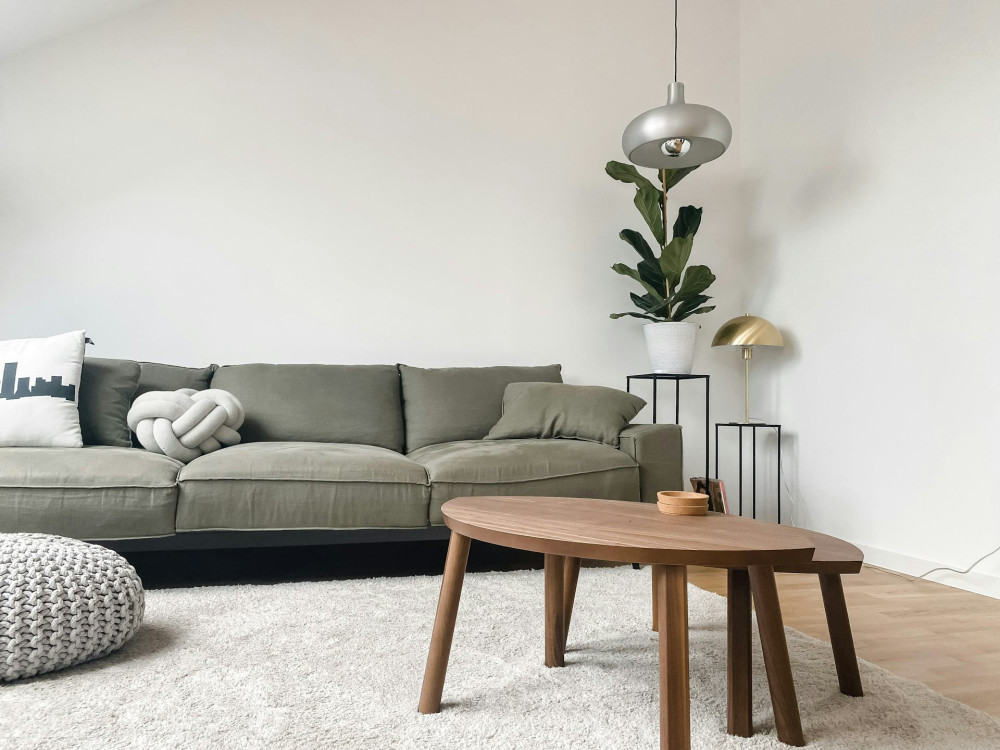
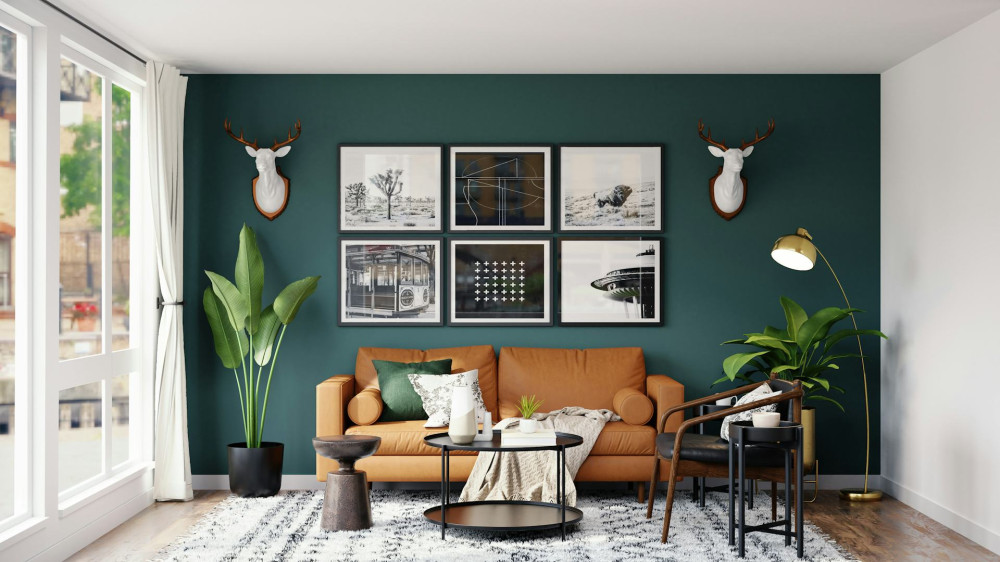
Mixing materials helps you strike the right balance. Use metal for structure and wood for surfaces. Add textiles or cork to soften acoustics and create a more comfortable environment. Glass or clear acrylic panels can bring in light and make small spaces feel more open.
Think Sustainable and Reuse
Blending materials also opens the door to more sustainable design. Reclaimed timber, old metal fittings, or repurposed furniture can be given new life when combined with modern components. This approach not only reduces waste but also adds character and individuality to your space.
Whenever possible, choose materials that can be separated again. This makes it easier to repair, recycle, or replace parts when they wear out – a small step towards a more circular way of living.
From Idea to Reality
Start by defining what you need most: storage, workspace, flexibility, or visual appeal. Sketch your ideas and consider which materials best meet those needs. Think in layers – a light frame, a durable surface, and a few details that express your personal style.
When you combine materials thoughtfully, you don’t just create a functional space – you build an environment that reflects your creativity and makes everyday life more efficient and enjoyable.