Lighting the Art: How to Illuminate Large Wall Installations Harmoniously

Lighting the Art: How to Illuminate Large Wall Installations Harmoniously
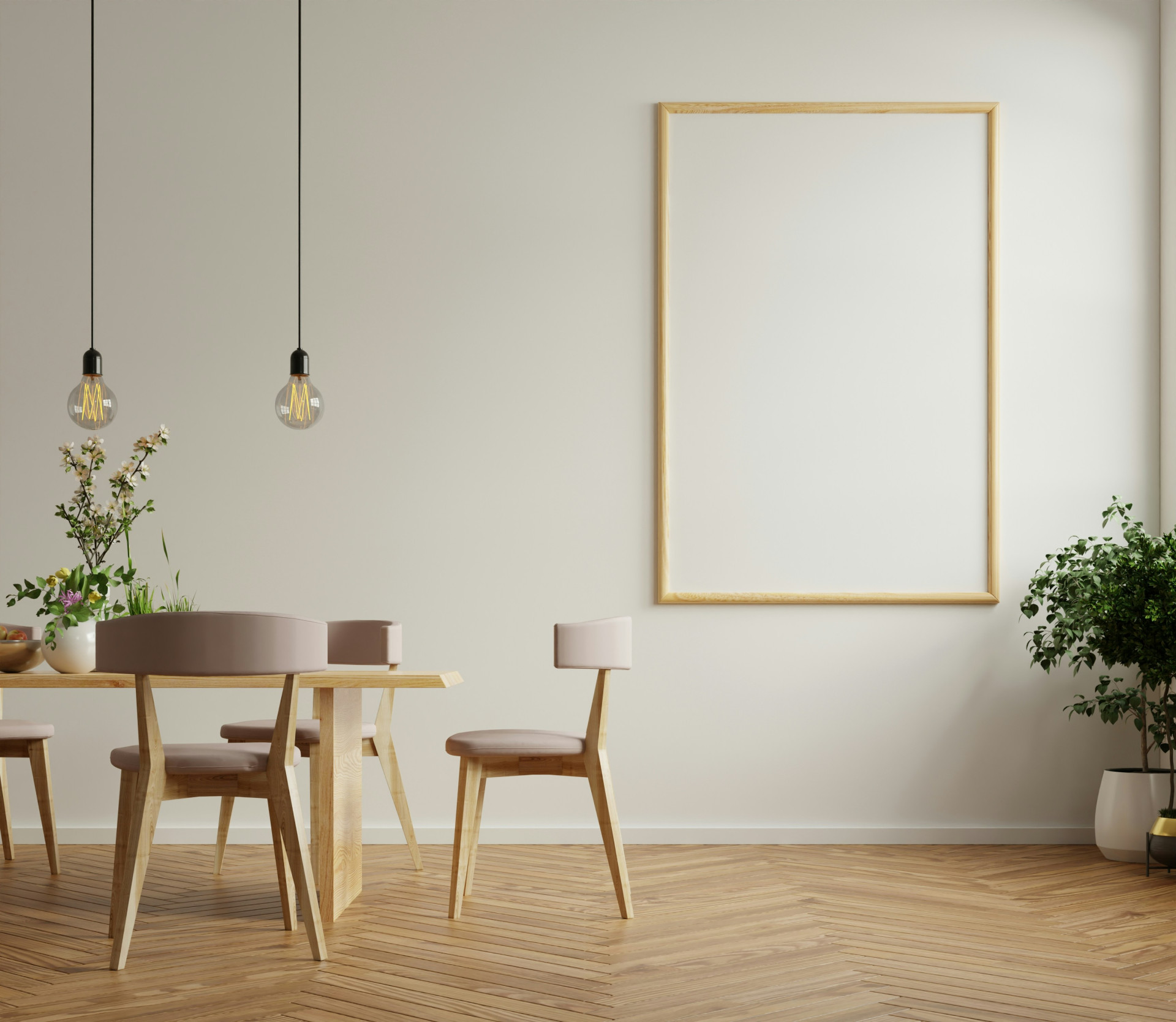
Large wall installations have the power to transform a space – they set the tone, add depth, and express personality. But without the right lighting, even the most striking piece can lose its impact. Light is not just functional; it’s part of the artwork’s experience. With thoughtful illumination, you can enhance textures, colours, and forms so the piece comes alive and the room feels balanced. Here’s a guide to lighting large wall installations harmoniously – whether in a home, gallery, or public space.
Understand the Artwork – and the Space Around It
Before choosing any lighting, take time to understand both the artwork and the environment it inhabits. Is the installation flat or three-dimensional? Does it have glossy or matte surfaces? How does it interact with the wall colour and the room’s natural light?
A piece with bold colours can often handle more direct light, while one with delicate tones or textile elements benefits from softer, diffused illumination. Observe how daylight moves through the space during the day – it can dramatically change how the artwork is perceived.
Choose the Right Light Source
The quality of the light source determines how faithfully colours are rendered. Opt for bulbs with a high colour rendering index (CRI of at least 90) to ensure the artwork appears as the artist intended. LED lighting is now the most versatile choice: energy-efficient, adjustable, and available in a wide range of colour temperatures.
- Warm light (2700–3000 K) creates a cosy, intimate atmosphere – ideal for living spaces or galleries with a relaxed ambience.
- Neutral light (3500–4000 K) highlights detail and texture without feeling clinical.
- Cool light (above 4000 K) suits contemporary, minimalist interiors but should be used carefully, as it can appear harsh.
Create Depth with Layered Lighting
A harmonious lighting scheme rarely relies on a single fixture. Instead, combine several layers of light that complement one another:
- Ambient lighting – the general illumination of the room, ensuring the installation doesn’t sit in stark contrast to a dark background.
- Accent lighting – focused light that draws attention to the artwork. Adjustable spotlights or track systems work well here.
- Mood lighting – indirect sources such as wall washers or concealed LED strips that add balance and depth.
By blending these layers, you can guide the viewer’s eye and create an experience that feels both natural and intentional.
Avoid Glare and Harsh Shadows
One of the biggest challenges in lighting large wall installations is preventing glare and unwanted shadows. Position lights at roughly a 30-degree angle to the artwork – this minimises reflections and distributes light evenly. If the piece includes reflective materials like metal or glass, experiment with multiple angles or use diffused light to soften the effect.
Remember, shadows aren’t always a flaw. Gentle shadowing can add depth and emphasise texture – it’s all about achieving the right balance.
Use Light Control for Flexibility
Large installations can change character depending on the time of day or the desired mood. Dimmable fittings or smart lighting systems allow you to adjust brightness as needed. This flexibility lets you shift from a dramatic spotlight effect to a soft evening glow with ease.
In galleries and public spaces, programmable systems can even adapt lighting to the time of day or visitor movement. At home, a simple dimmer switch or app-based control can offer similar versatility on a smaller scale.
Think of the Whole Room – Not Just the Artwork
While the focus naturally falls on the installation, the lighting should also harmonise with the rest of the space. Overly bright light can dominate, while too little can make the piece disappear. Consider how the illumination interacts with furniture, wall colours, and other artworks.
A useful trick is to step back and view the room as a whole. Ask yourself: does the lighting feel natural, and does it guide the eye where you want it to go? If so, you’ve found the right balance.
Light as Part of the Experience
When light and art work together, the result is immersive and alive. The right lighting can make a wall installation shift in mood throughout the day, evoke calm or energy, and invite viewers to see the piece anew each time.
Lighting art is not just a technical exercise – it’s about creating atmosphere and narrative. With care, adjustability, and respect for both the artwork and its surroundings, you can let light become part of the art itself.