Loft and Roof Insulation: Enhanced Comfort All Year Round

Loft and Roof Insulation: Enhanced Comfort All Year Round
A well-insulated loft and roof are among the most effective ways to improve both comfort and energy efficiency in your home. In many British houses, a significant amount of heat escapes through the roof, leading not only to higher energy bills but also to rooms that feel too cold in winter and uncomfortably warm in summer. With proper insulation, you can create a more comfortable living environment – all year round.
Why Loft and Roof Insulation Matters
Heat naturally rises, and without adequate insulation, much of it disappears through the roof. In fact, up to 25–30% of heat loss in an older property can occur this way. That means you could be paying to heat the outdoors if your loft isn’t properly insulated.
But insulation isn’t just about keeping the heat in. During the summer, it also helps prevent overheating, so your bedrooms stay cooler and more pleasant. A stable indoor temperature contributes to a healthier home environment and reduces the risk of damp and mould growth.
Signs That Your Insulation Needs Improvement
It’s not always easy to tell whether your insulation is sufficient, but there are several signs to look out for:
- High energy bills – especially if you live in an older property.
- Cold draughts or chilly ceilings – even when the heating is on.
- Uneven temperatures between floors.
- Icicles or melted patches on the roof in winter – a sign that heat is escaping and melting the snow from underneath.
If you notice any of these issues, it may be time to have your insulation checked.
Different Types of Insulation
There are several materials and methods available for loft and roof insulation, and the best choice depends on your home’s structure and needs.
- Mineral wool (glass or rock wool) – the most common option, offering excellent insulation and fire resistance.
- Cellulose insulation – an eco-friendly alternative made from recycled paper, blown into place to fill gaps and corners.
- Spray foam insulation – ideal for hard-to-reach areas, providing an airtight seal.
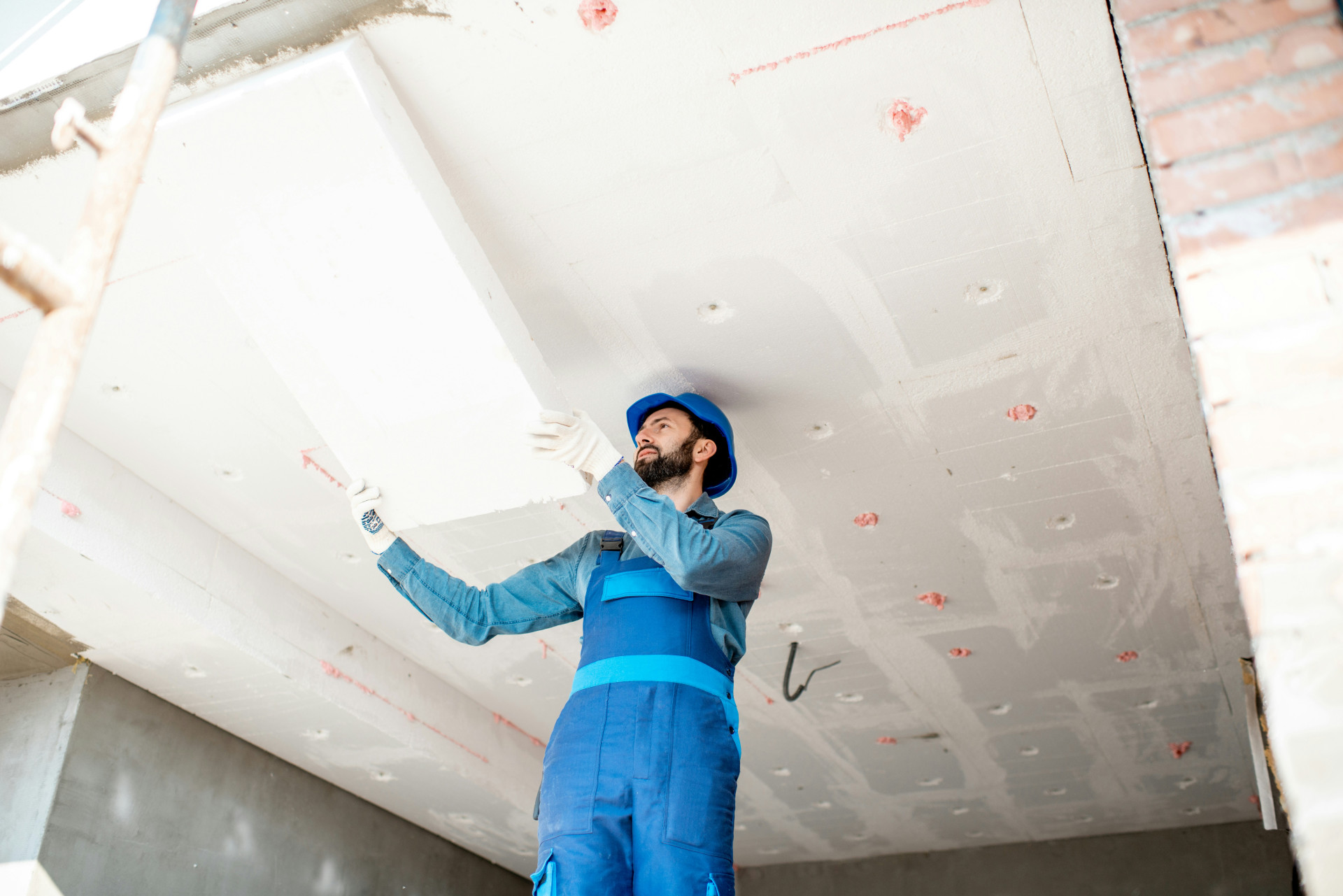
- Rigid insulation boards – suitable for flat roofs or as part of new builds and extensions.
A professional installer can help you determine which type is most suitable for your property.
Upgrading Existing Insulation – A Smart Investment
If your home already has insulation but it’s old or too thin, topping it up can make a big difference. Often, this simply involves adding an extra layer over the existing material. The work can usually be completed in a few hours and delivers immediate results.
Although there’s an upfront cost, insulation quickly pays for itself through lower energy bills. You’ll also increase your home’s value and comfort while reducing your carbon footprint.
DIY or Professional Installation?
Some smaller loft insulation projects can be tackled as DIY tasks, particularly if the loft is easy to access and free from damp. However, for larger or more complex jobs, or if you’re unsure about the structure, it’s best to seek professional advice.
An expert can assess whether you need a vapour barrier, additional ventilation, or repairs before installing insulation. This ensures the job is done correctly and helps prevent future problems with condensation or mould.
Comfort All Year Round – and a Greener Home
Once your loft and roof are properly insulated, you’ll notice the difference straight away. The temperature becomes more consistent, the heating works more efficiently, and cold draughts disappear. At the same time, you’ll reduce your energy consumption and carbon emissions – a win for both your wallet and the environment.
Loft and roof insulation isn’t just a technical upgrade; it’s an investment in your quality of life. A warm, dry, and comfortable home is the foundation for well-being – whatever the season.