Low-Slope Roof – How to Choose the Right Roofing Material

Low-Slope Roof – How to Choose the Right Roofing Material
A low-slope roof places special demands on both design and material choice. While a traditional pitched roof easily sheds rainwater, a roof with a shallow pitch is more exposed to standing water, snow, and wind. Choosing the right roofing material is therefore essential to ensure durability, watertightness, and long-term performance. This article guides you through the key considerations when selecting materials for a low-slope roof in the UK climate.
What Does “Low Slope” Mean?
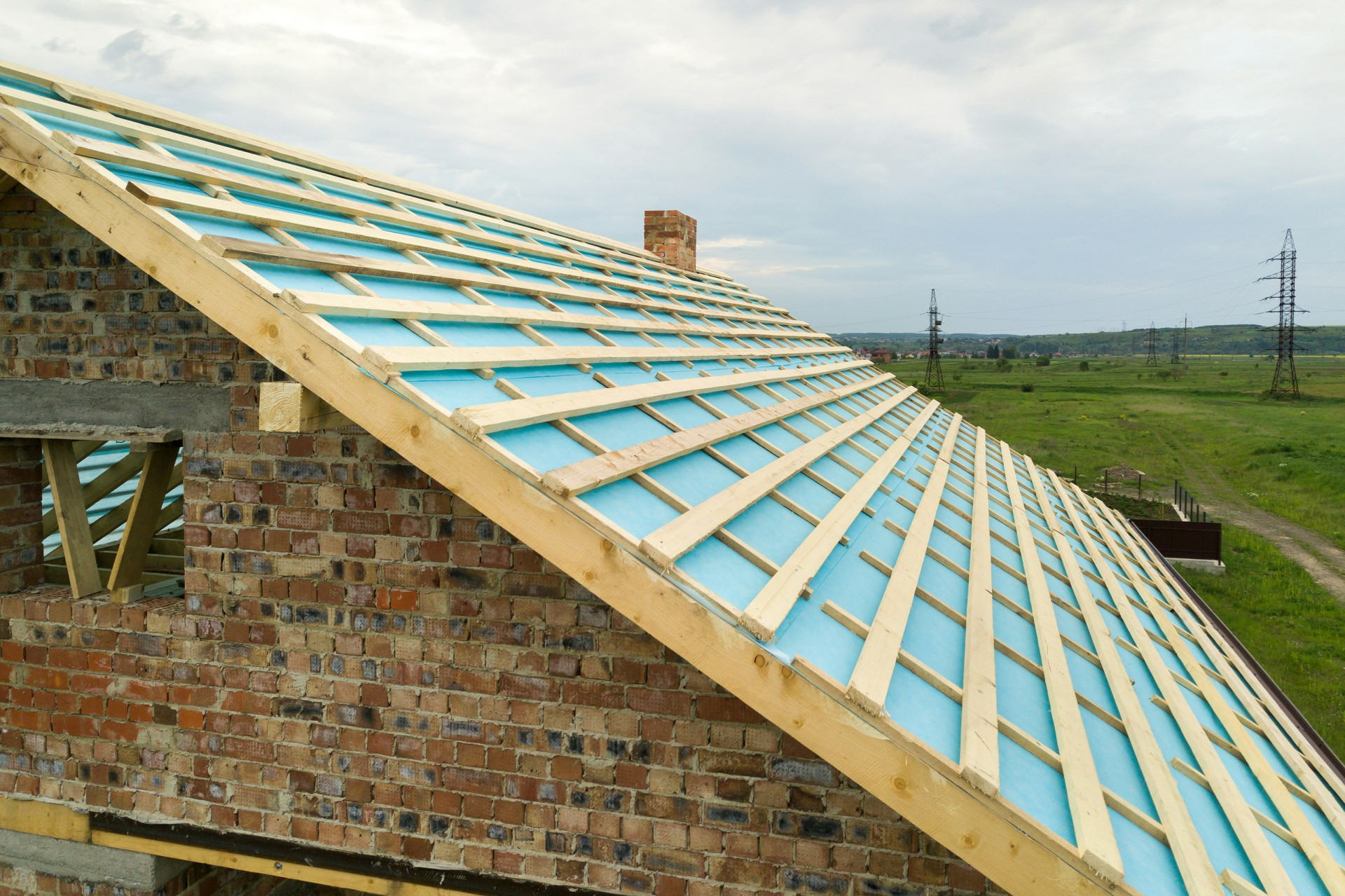
A low-slope roof is generally defined as one with a pitch of less than 15 degrees. This includes almost flat roofs as well as gently sloping ones, often found on modern extensions, garages, and commercial buildings. The lower the slope, the greater the need for effective waterproofing and drainage.
Because water drains more slowly on a low-slope surface, the roofing system must be highly resistant to moisture and ponding. Traditional materials such as clay or concrete tiles are rarely suitable unless special measures are taken to ensure watertightness.
The Most Suitable Roofing Materials
When choosing a roofing material for a low-slope roof, the goal is to find a solution that combines durability, flexibility, and visual appeal. Below are some of the most common options used in the UK.
1. Bituminous Felt – the Reliable Classic
Bituminous felt, often referred to as “torch-on felt,” has long been a popular choice for flat and low-slope roofs. It consists of layers of bitumen reinforced with polyester or fibreglass, which are heat-welded together to form a watertight surface.
Advantages:
- Suitable for completely flat roofs
- Flexible and easy to shape around details and penetrations
- Cost-effective solution
- Localised repairs are possible
Disadvantages:
- Requires skilled installation to avoid leaks
- Shorter lifespan than some modern alternatives (typically 20–30 years)
2. Single-Ply Membranes – Modern and Low Maintenance
Single-ply membranes, such as PVC or EPDM rubber, are increasingly popular for both domestic and commercial roofs. The membrane is either mechanically fixed, adhered, or heat-welded to create a seamless, waterproof layer.
Advantages:
- Lightweight and flexible
- Long lifespan (up to 40 years)
- Resistant to UV radiation and temperature changes
- Minimal maintenance required
Disadvantages:
- Must be installed by trained professionals
- Higher initial cost than felt
3. Metal Roofing – Durable and Contemporary
Steel or aluminium sheets with protective coatings can be used on roofs with a pitch as low as 5 degrees, depending on the manufacturer’s specifications. Metal roofing offers a sleek, modern appearance and excellent longevity.
Advantages:
- Long service life and high strength
- Quick installation
- Lightweight – ideal for extensions and lightweight structures
Disadvantages:
- Can be noisy during heavy rain or wind
- Requires precise detailing to prevent condensation and leaks
4. Green Roofs – Sustainable and Attractive
A green or “living” roof, where the surface is covered with vegetation such as sedum or moss, can also be installed on low-slope roofs. Beneath the plants lies a waterproof membrane that protects the structure from moisture.
Advantages:
- Extends the life of the roof by shielding it from UV and temperature extremes
- Provides thermal and acoustic insulation
- Supports biodiversity and helps manage rainwater runoff
Disadvantages:
- Requires a strong structure to support the additional weight
- Higher installation cost and some maintenance needed
Key Considerations
When selecting a roofing material for a low-slope roof, keep the following factors in mind:
- Watertightness: The material and installation must withstand standing water. Even small leaks can cause significant damage over time.
- Drainage: Ensure an effective drainage system with sufficient outlets and overflows to prevent water build-up.
- Insulation and Ventilation: Low-slope roofs are prone to condensation. Proper insulation and ventilation are essential to avoid moisture problems.
- Maintenance: Choose a material that matches your desired level of upkeep.
- Building Regulations and Warranties: Always check the manufacturer’s guidelines and UK building regulations for minimum pitch requirements and warranty conditions.
Choosing the Right Solution
The best roofing material depends on the type of building, roof pitch, budget, and aesthetic preferences. For a flat garage roof, bituminous felt may be ideal, while a modern home extension might benefit from a single-ply membrane or metal cladding.
Consulting a qualified roofer or building surveyor is always a good idea. They can assess your structure and recommend the most durable and cost-effective solution. With the right material and professional installation, a low-slope roof can remain watertight, attractive, and long-lasting for decades.