Metal Mix: How to Combine Different Metal Shades in One Table Design

Metal Mix: How to Combine Different Metal Shades in One Table Design
Mixing different metal shades in a single table design is a growing trend that blends industrial edge with refined elegance. Where once interiors stuck to one finish – all chrome, all brass – today’s designs embrace contrast and character. But how do you combine metals without the result feeling chaotic? Here’s a guide to creating a balanced, stylish table design that brings multiple metal tones together beautifully.
Understand the Role of Each Metal
Every metal has its own personality. Brass adds warmth and a touch of luxury, steel brings an industrial feel, and copper introduces a rich, glowing tone. Black metal feels modern and graphic, while silver tones like chrome and nickel lend a cool, minimalist look.
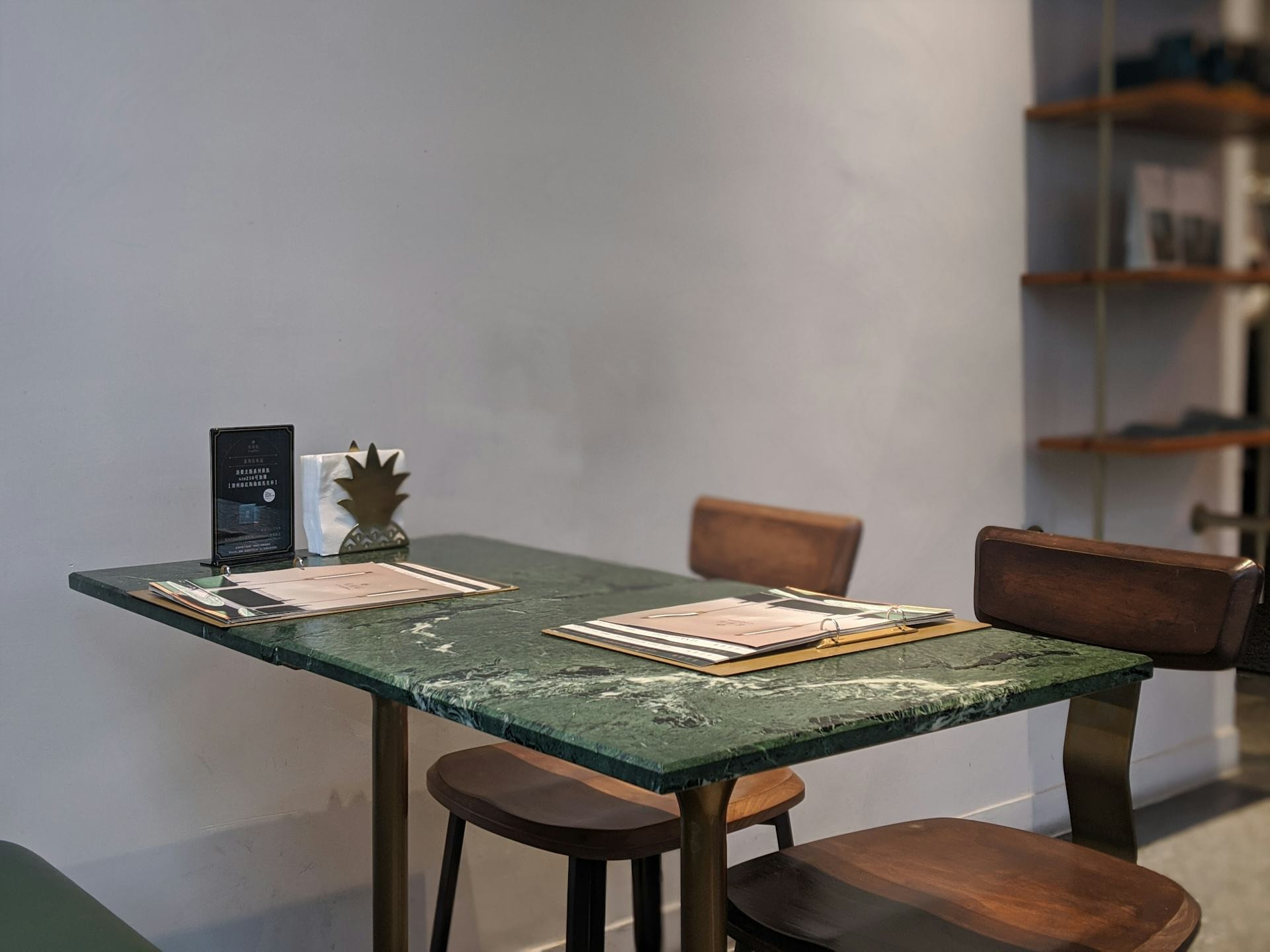
When mixing metals, the key is balance. Pairing warm and cool tones can create depth and harmony. For example, a dining table with a black steel frame and brushed brass accents can feel both contemporary and inviting. The goal is for the metals to complement, not compete with, each other.
Choose a Dominant Metal
Start by selecting one metal as the foundation of your design – this could be the table’s frame, legs, or edging. The other metals should act as accents, adding subtle variation and interest.
If your table has a base in matte black iron, you might introduce brushed nickel handles on drawers or a lamp with a brass finish nearby. This approach keeps the look cohesive, with one metal setting the tone and the others enhancing it.
Play with Finishes and Textures
Even within a single metal type, finish makes a big difference. Brushed, polished, matte, or aged – each surface treatment changes the mood. Combining different finishes can make your design more dynamic, even if you’re working with just a few colours.
A table with a matte black frame and inlaid brass strips in a polished finish, for instance, creates a striking contrast between raw and refined. Think, too, about how the metals interact with other materials such as wood, marble, or glass – these can soften or highlight the metallic elements.
Create Cohesion with the Surroundings
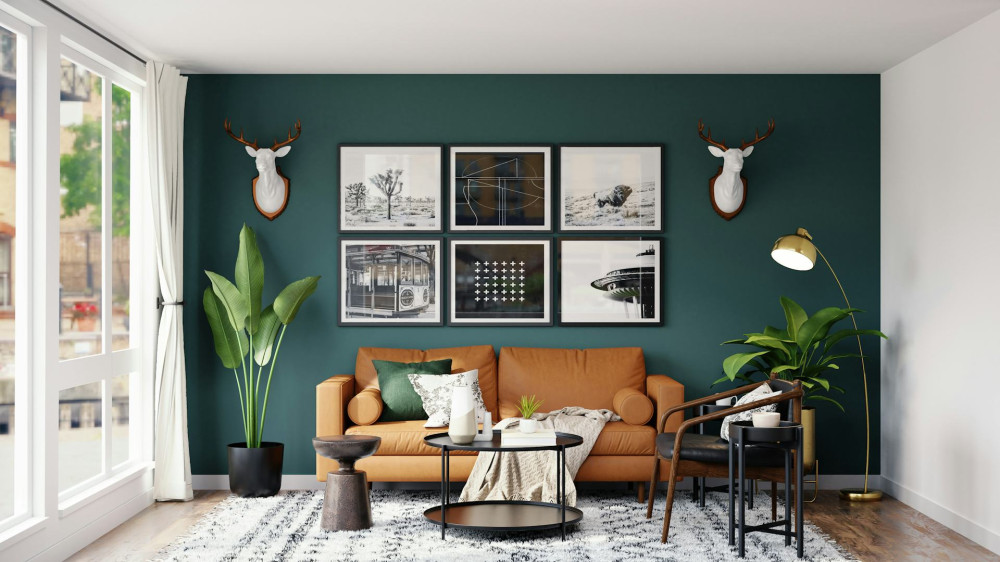
A table rarely stands alone. To make your metal mix feel intentional, consider how it fits within the rest of the room. Repeat the same metal tones in lighting, chair legs, or decorative accessories to tie the space together.
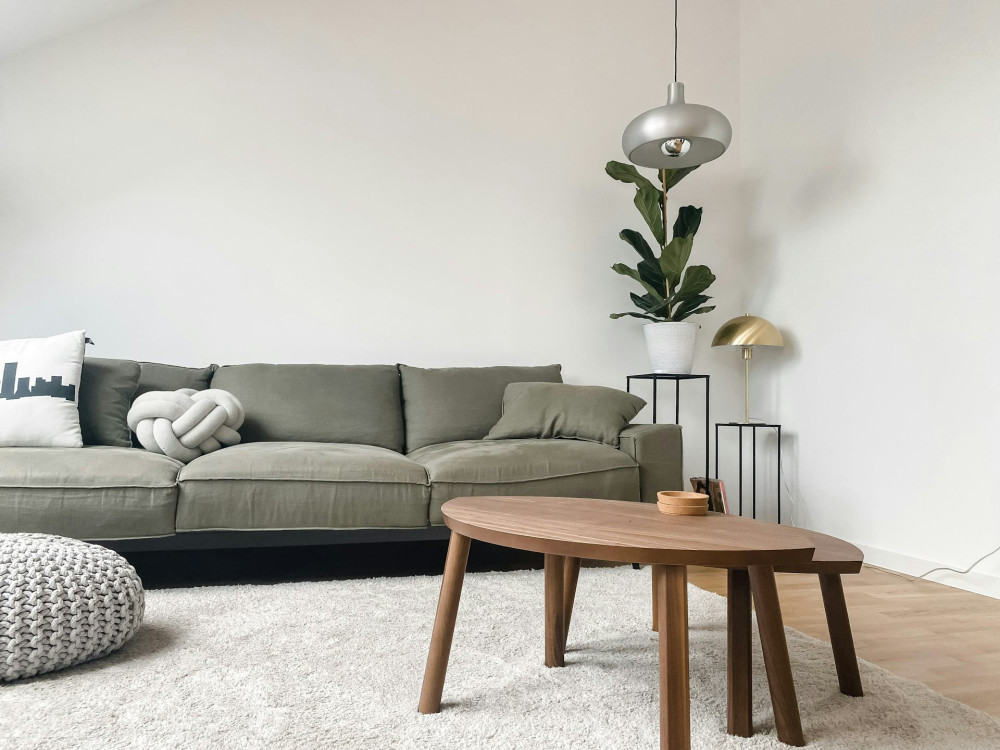
If your coffee table features copper details, echo that tone in a floor lamp base or a picture frame. This repetition creates visual flow without feeling overly matched.
Use Contrast Thoughtfully
Contrast is what makes a design interesting – but too much can overwhelm. A good rule of thumb is to stick to two or three metal tones that differ clearly but still harmonise.
A classic combination is warm metals like brass or copper paired with cooler ones such as chrome or black steel. This mix offers both balance and energy. Avoid using too many shiny finishes at once, as they can dominate the space and distract from the table’s form.
Make It Personal
The beauty of mixing metals is that there’s no single formula. It’s about finding the combination that suits your taste and your home. Some prefer a subtle, minimalist approach with just a hint of contrast, while others embrace bold pairings for a statement look.
Experiment with small details first – perhaps a new lamp, a set of candleholders, or a decorative tray in a different metal tone. Once you find a mix that feels right, you can apply it to larger pieces like a dining or coffee table.
A Table with Character and Depth
Combining different metal shades isn’t just about aesthetics – it’s about creating a piece that tells a story. A well-balanced metal mix gives your table depth, personality, and a sense of craftsmanship. With a bit of confidence, care, and an eye for balance, you can design a table that feels both timeless and uniquely yours.