Minimalist Surfaces: Create a Timeless and Harmonious Home

Minimalist Surfaces: Create a Timeless and Harmonious Home
Minimalism is not just about owning fewer things – it’s about creating calm, balance, and beauty through thoughtful choices. In the home, this philosophy is most clearly expressed through surfaces: walls, floors, ceilings, and furniture. They form the backdrop for everything else and have a profound impact on how a space feels. With the right materials, colours, and textures, you can create a home that feels both timeless and harmonious.
What Defines Minimalist Surfaces?
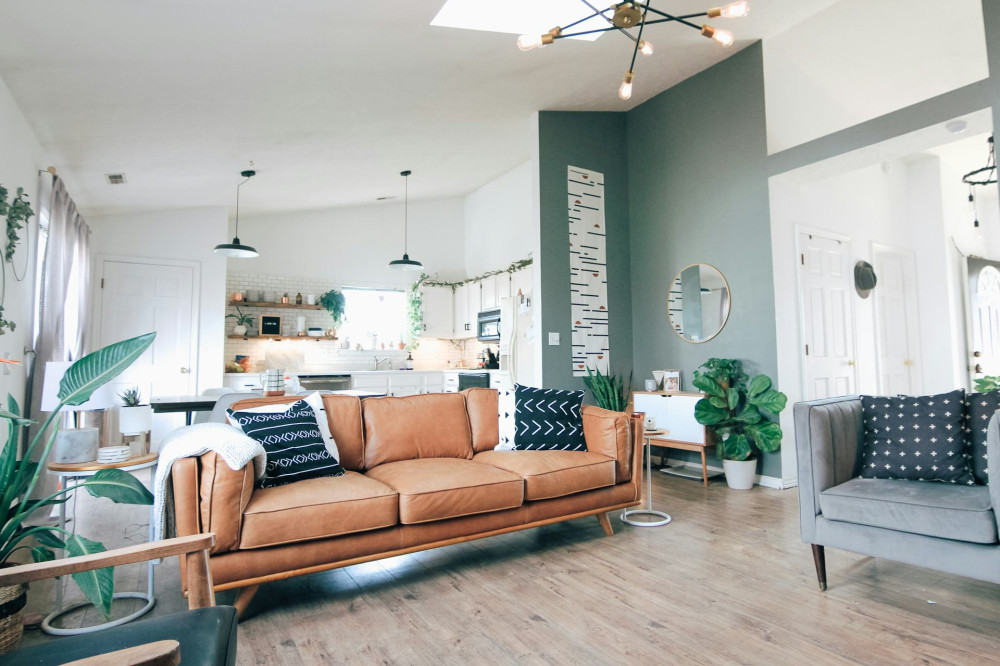
Minimalist surfaces are characterised by simplicity, clean lines, and a sense of lightness. They avoid unnecessary details and instead focus on quality and coherence. That doesn’t mean everything has to be white and smooth – texture and subtle variation can add depth and warmth, preventing the space from feeling sterile.
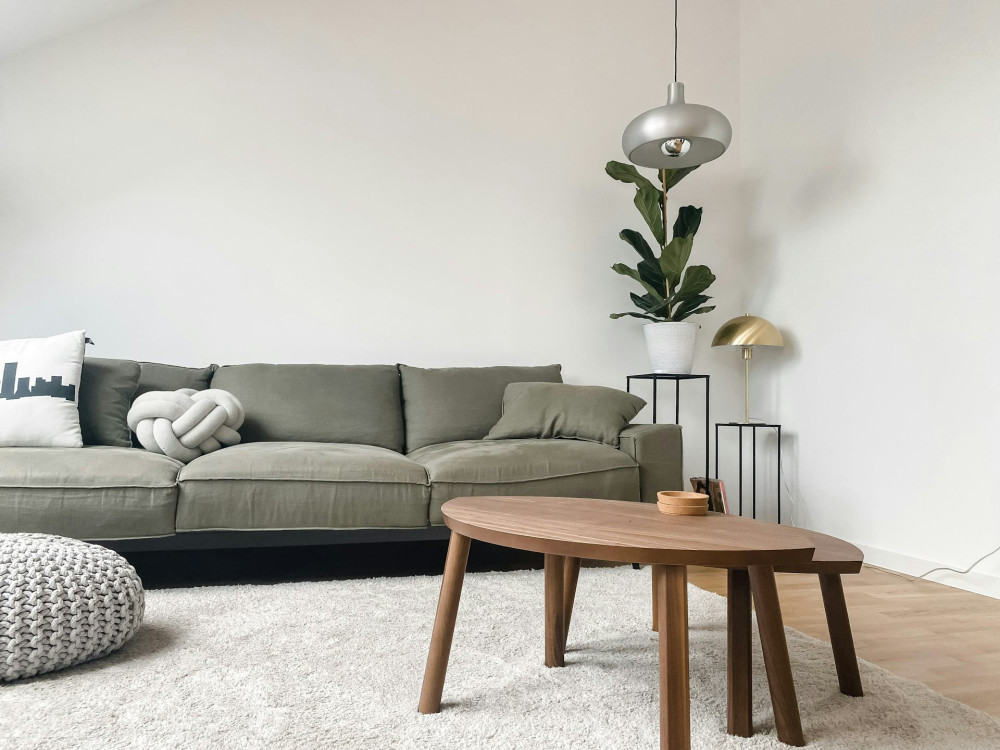
Think matte walls, natural materials such as wood and stone, and a muted colour palette. The goal is to create a visually calm environment where the eye can rest and every surface contributes to the overall harmony.
Colours That Create Calm
Colour has a powerful influence on mood and atmosphere. In a minimalist home, neutral and earthy tones often dominate – whites, greys, beiges, and soft natural shades. These colours reflect light beautifully and make rooms feel more spacious.
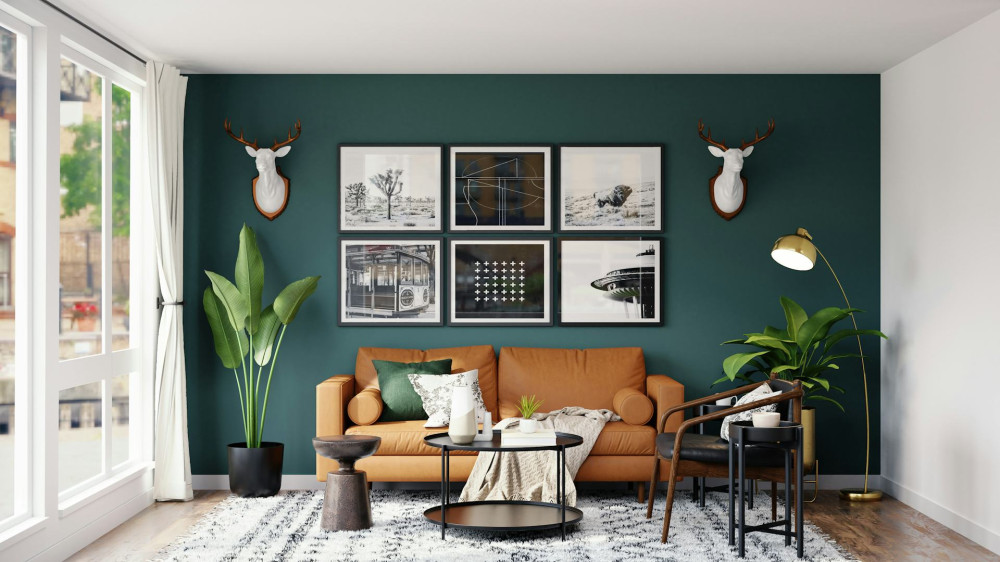
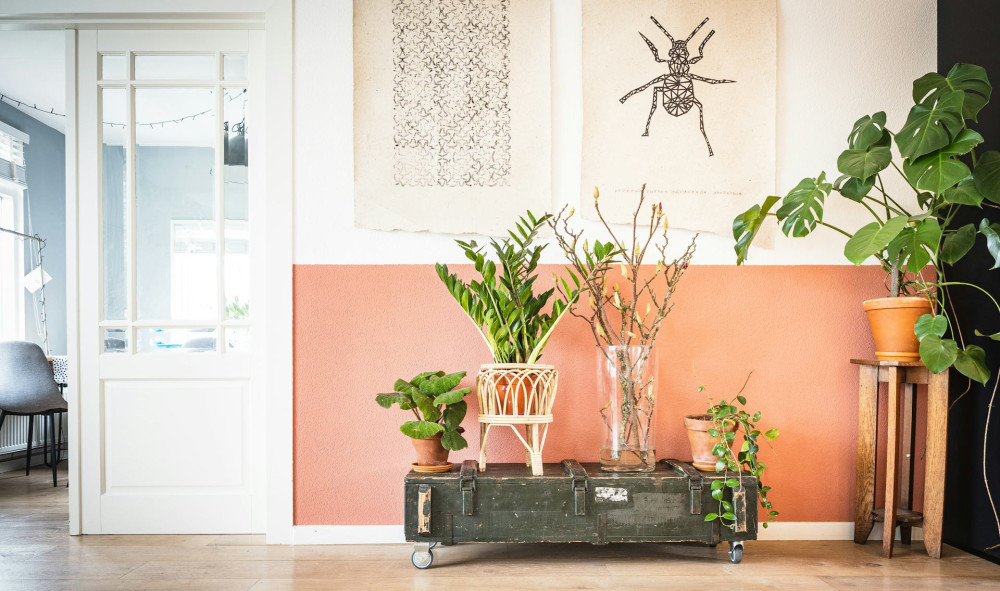
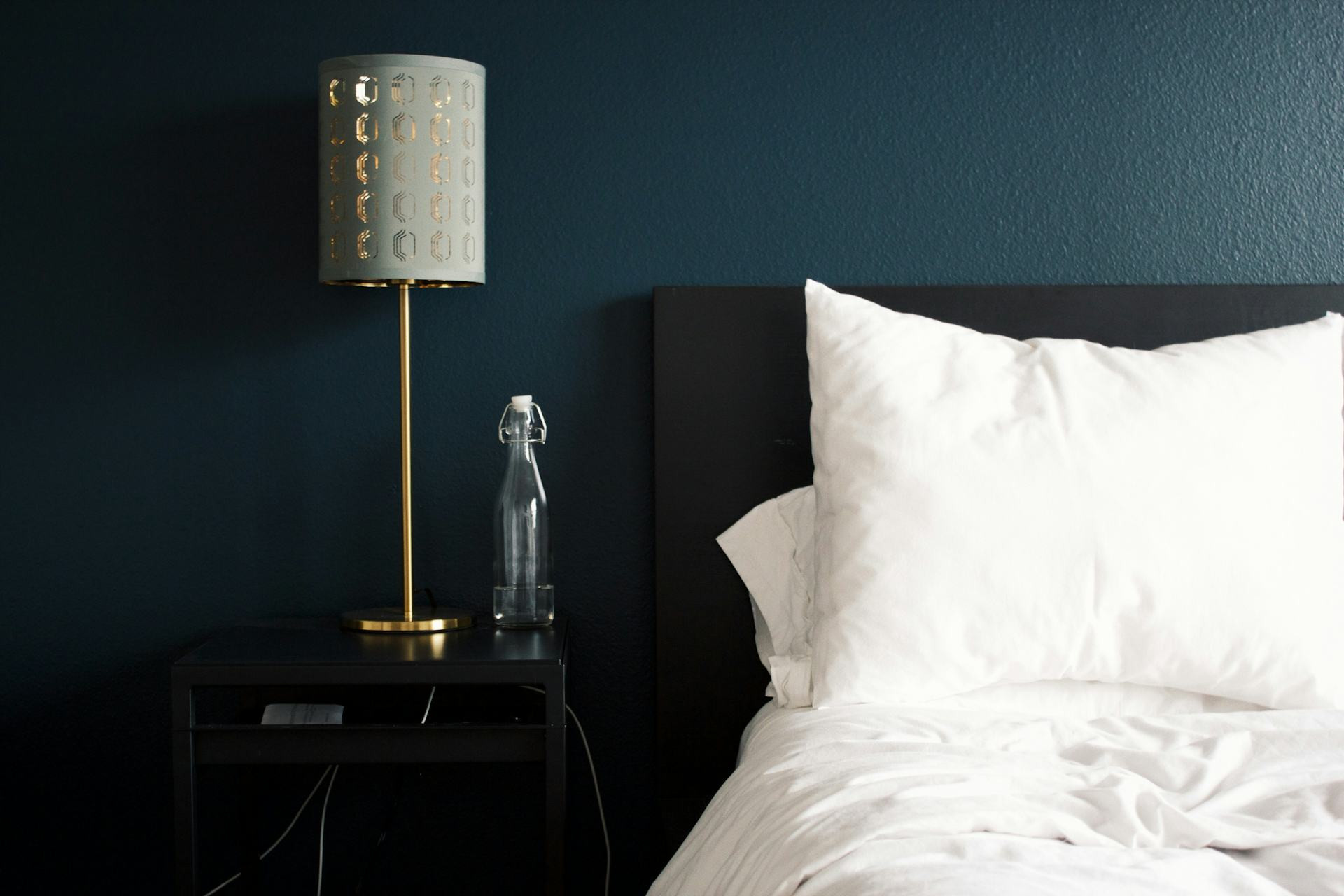
If you want to add character, consider gentle contrasts: a deep green feature wall in the bedroom, a warm grey in the kitchen, or a darker tone in the living room. The key is to ensure that colours flow naturally from one room to the next, creating a cohesive and soothing feel throughout your home.
A good approach is to choose one base colour and build on it with variations in tone and texture. This creates a calm yet dynamic expression.
Materials with Character
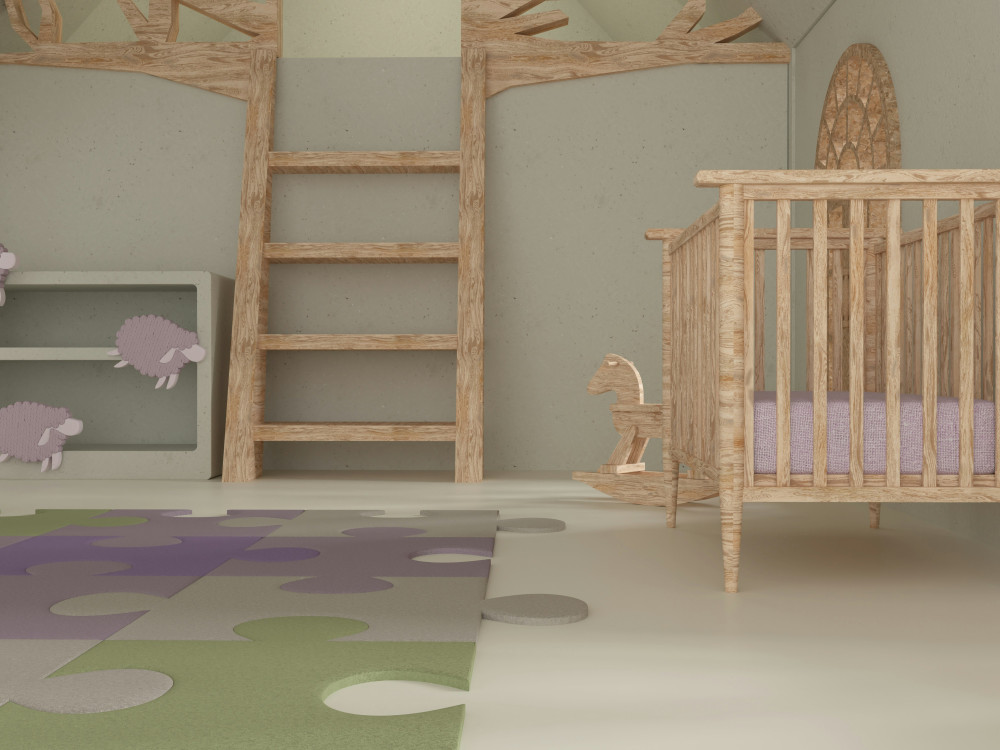
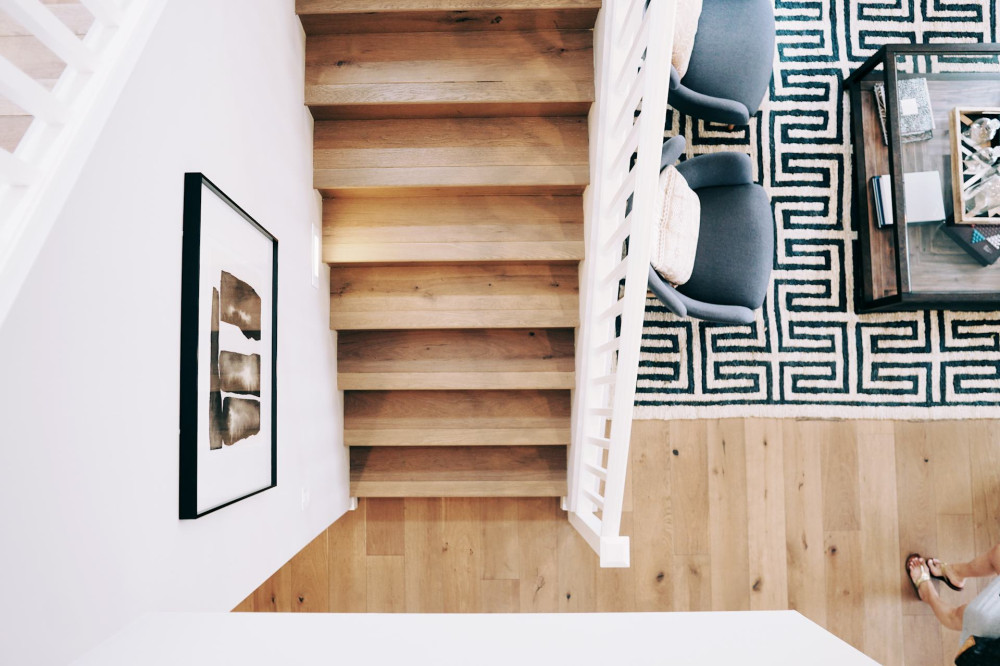
Minimalism isn’t about removing everything – it’s about choosing with intention. Materials therefore play a central role. Natural materials such as wood, limewash, concrete, and stone bring both tactility and authenticity to a space.
- Wood adds warmth and life – especially lighter species like oak, ash, or birch.
- Limewash paint creates a soft, living surface that changes character with the light.
- Concrete and microcement offer a modern, industrial look that works well in kitchens and bathrooms.
- Stone and terrazzo provide texture and durability while being easy to maintain.
By combining a few honest materials, you can create a home that feels both simple and sensory.
Light and Reflection
Light is one of the most important elements in minimalist design. Surfaces should not only look beautiful on their own but also interact harmoniously with light. Matte finishes absorb light and create a soft atmosphere, while semi-gloss surfaces reflect it and add vibrancy.
Consider how daylight moves through your rooms and choose paints and materials that enhance it. In darker spaces, light and warm tones can open up the room, while cooler shades can bring freshness to south-facing rooms with plenty of sunlight.
Maintenance and Durability
A minimalist home doesn’t necessarily require more cleaning – but it does reveal clutter and wear more easily. That’s why it’s wise to choose surfaces that are easy to maintain. Washable paints, durable flooring, and finishes that withstand daily use help preserve the clean, calm look.
When painting, opt for high-coverage paint with a matte finish. It provides an even result, hides small imperfections, and maintains a serene atmosphere.
Balancing Function and Aesthetics
Minimalism works best when aesthetics and function go hand in hand. Surfaces should not only look beautiful but also suit everyday life. A natural stone worktop may be stunning but needs care; a limewashed wall may be full of character but should be protected in high-traffic areas.
Think carefully about how each room is used and choose solutions that fit your lifestyle. It’s this balance between practicality and beauty that makes a minimalist home truly timeless.
A Home with Calm and Personality
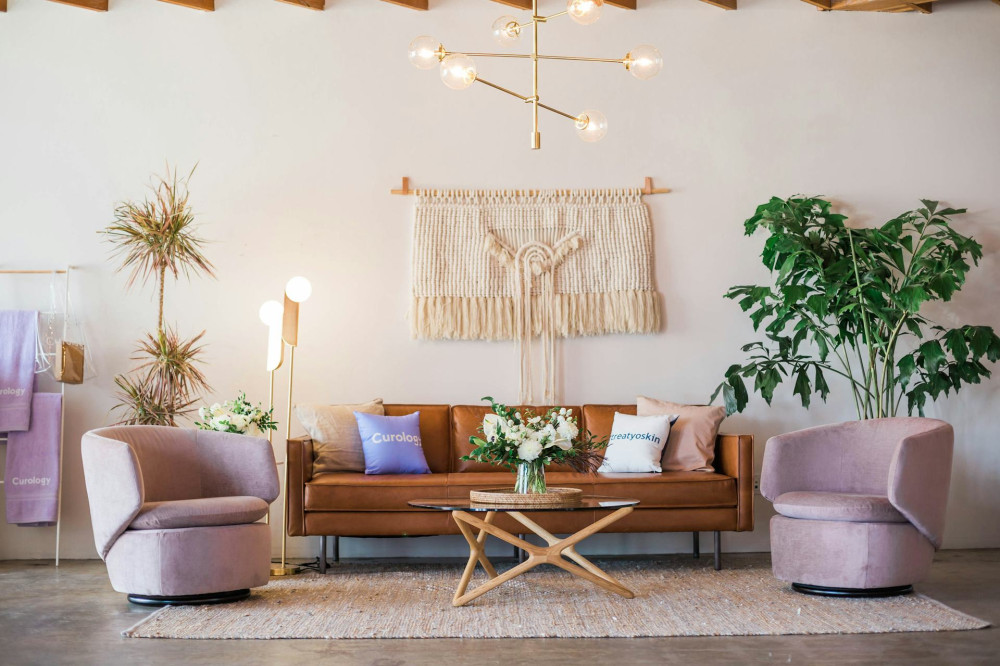
Minimalism isn’t about removing personality – it’s about giving it space. When surfaces are calm and harmonious, your furniture, art, and personal objects can stand out. This creates a home that feels both balanced and alive.
By working consciously with colour, material, and light, you can create a home that doesn’t just follow a trend but endures for years to come – a place where simplicity and tranquillity become part of everyday life.