Moving Day with Pets – How to Make It a Stress-Free Experience

Moving Day with Pets – How to Make It a Stress-Free Experience
Moving house is a big event – not just for you, but for the animals who share your home. New smells, sounds and surroundings can be confusing and stressful for pets, who thrive on routine and familiarity. With a bit of planning and care, you can make the transition smoother for your furry (or feathered) friends. Here’s how to help your pet feel safe and settled before, during and after the move.
Prepare Your Pet Well in Advance
A calm moving day starts long before the removal van arrives. Pets quickly pick up on changes in their environment, and the sight of boxes and busy activity can make them anxious.
- Keep routines consistent. Stick to regular feeding, walks and playtimes to maintain a sense of normality.
- Introduce the carrier early. Leave it open in the house with a blanket or treat inside so your pet associates it with something positive.
- Pack gradually. Avoid turning the home upside down overnight – slow changes are less stressful.
- Consider pet care on moving day. If possible, arrange for your pet to stay with a friend, family member or at a trusted boarding facility while the move takes place.
On Moving Day
Moving day can be noisy and chaotic, with doors open and strangers coming and going – all of which can unsettle pets.
- Create a safe space. Keep your pet in a quiet room away from the commotion. Put up a sign on the door so movers don’t open it by mistake.
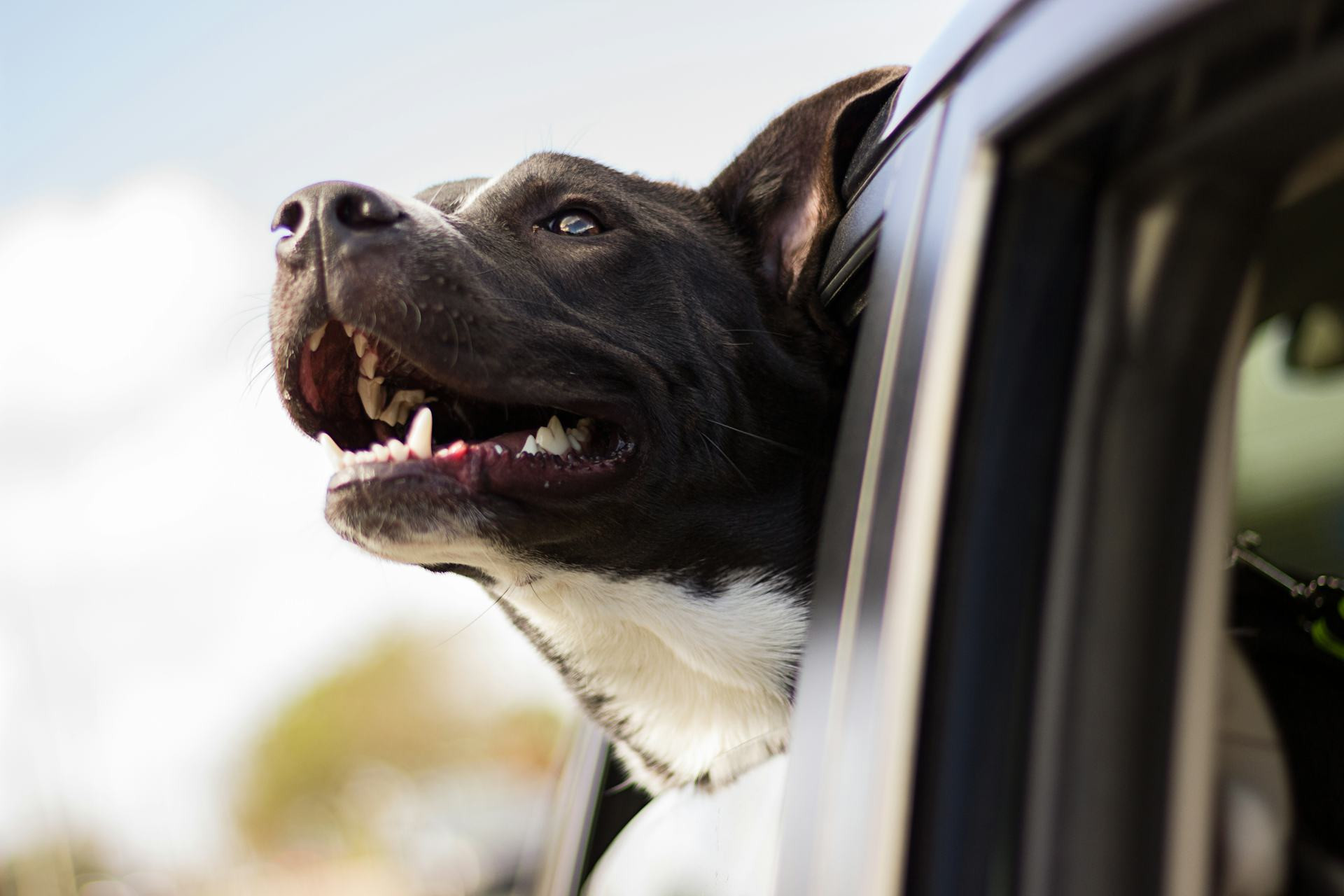
- Use a secure carrier or harness. When travelling between homes, ensure your pet is safely contained and has good ventilation. Avoid leaving them in direct sunlight or a hot car.
- Take breaks on long journeys. Offer water and, if safe, allow your dog to stretch their legs.
- Stay calm. Pets mirror your emotions – if you remain relaxed, they’re more likely to feel at ease too.
Settling into the New Home
The new home will be full of unfamiliar scents and sounds, and it may take time for your pet to adjust.
- Start with one room. Let your pet explore a single, quiet space first, with familiar items like their bed, toys and food bowls.
- Stick to old routines. Keep feeding times, walks and bedtime rituals the same as before.
- Be patient. Some pets adapt quickly, while others need days or even weeks to feel comfortable.
- Limit visitors. Give your pet a few days to settle before inviting friends or family over.
Special Considerations for Different Pets
- Cats often need extra time to adjust. Keep them indoors for at least two to three weeks so they can learn the new home’s smells and sounds before exploring outside.
- Dogs benefit from short, frequent walks around the new neighbourhood to help them get used to the area.
- Small animals and birds should be placed in a quiet, draught-free spot. Keep their cage or hutch set up as it was before until they seem relaxed.
- Fish require careful handling. Use water from the old tank during transport and ensure the temperature remains stable.
Helping Your Pet Feel at Home
Once the boxes are unpacked, spend extra time with your pet. Play, cuddle and reassure them – your attention helps them associate the new home with safety and comfort.
If your pet shows ongoing signs of stress, such as loss of appetite, restlessness or unusual behaviour, contact your vet or a qualified animal behaviourist. A few small adjustments to their environment or routine can make a big difference.
A Calm Start to a New Chapter
Moving marks the beginning of a new chapter for both you and your pet. With thoughtful preparation, patience and plenty of affection, you can make the experience as smooth and stress-free as possible. Before long, your pet will feel right at home – ready to enjoy new adventures by your side.