Noise from drains? How to reduce the sound in apartment buildings

Noise from drains? How to reduce the sound in apartment buildings
The sound of water rushing through drainpipes can be a constant source of irritation in apartment buildings. It’s especially noticeable in older properties, where plumbing systems were not designed with sound insulation in mind. The noise from a neighbour’s shower or washing machine can easily travel through walls and ceilings. Fortunately, there are several effective ways to reduce drain noise – whether you’re planning a renovation or just looking for smaller improvements. Here’s a guide to creating a quieter home.
Why do drains make noise?
Drain noise occurs when water flows through pipes and hits bends, joints, and vertical stacks. The sound travels through the pipework and into the building structure. There are generally two types of noise:
- Flow noise, caused by the movement of water inside the pipe.
- Structure-borne noise, created when vibrations from the pipe are transmitted into walls, floors, or ceilings.
In many older UK apartment blocks, soil stacks are made of cast iron or plastic and are fixed directly to the wall without any acoustic insulation. Even small vibrations can therefore be amplified and heard clearly in neighbouring flats.
Identify the source of the noise
Before you start making changes, it’s important to locate where the noise is coming from. Listen carefully to determine whether it originates from:
- The main soil stack (the vertical pipe that collects waste from several floors)
- Traps and drains in your kitchen or bathroom
- Pipe connections where they pass through walls or floors
If the noise is loudest when water is running from the flat above, the soil stack is likely the culprit. If it comes from your own sink or shower, the issue may lie within your own plumbing.
Solutions during renovation
If you’re planning a refurbishment, it’s worth incorporating soundproofing measures at the same time. This is when you can achieve the greatest improvement.
- Choose sound-insulated pipes – modern soil stacks made from special plastic or composite materials are designed to reduce noise. They have thicker walls and smoother interiors that minimise turbulence.
- Use rubber gaskets and flexible brackets – these prevent vibrations from being transferred directly to the wall.
- Enclose pipes in soundproof shafts – line the boxing with acoustic mineral wool and double layers of sound-rated plasterboard.
- Avoid sharp bends – smoother pipe layouts reduce water turbulence and therefore noise.
Replacing soil stacks or major pipework must be done by a qualified plumber, but it can be a worthwhile investment – improving both comfort and property value.
Smaller improvements that make a difference
Even without major works, there are practical steps you can take to reduce noise.
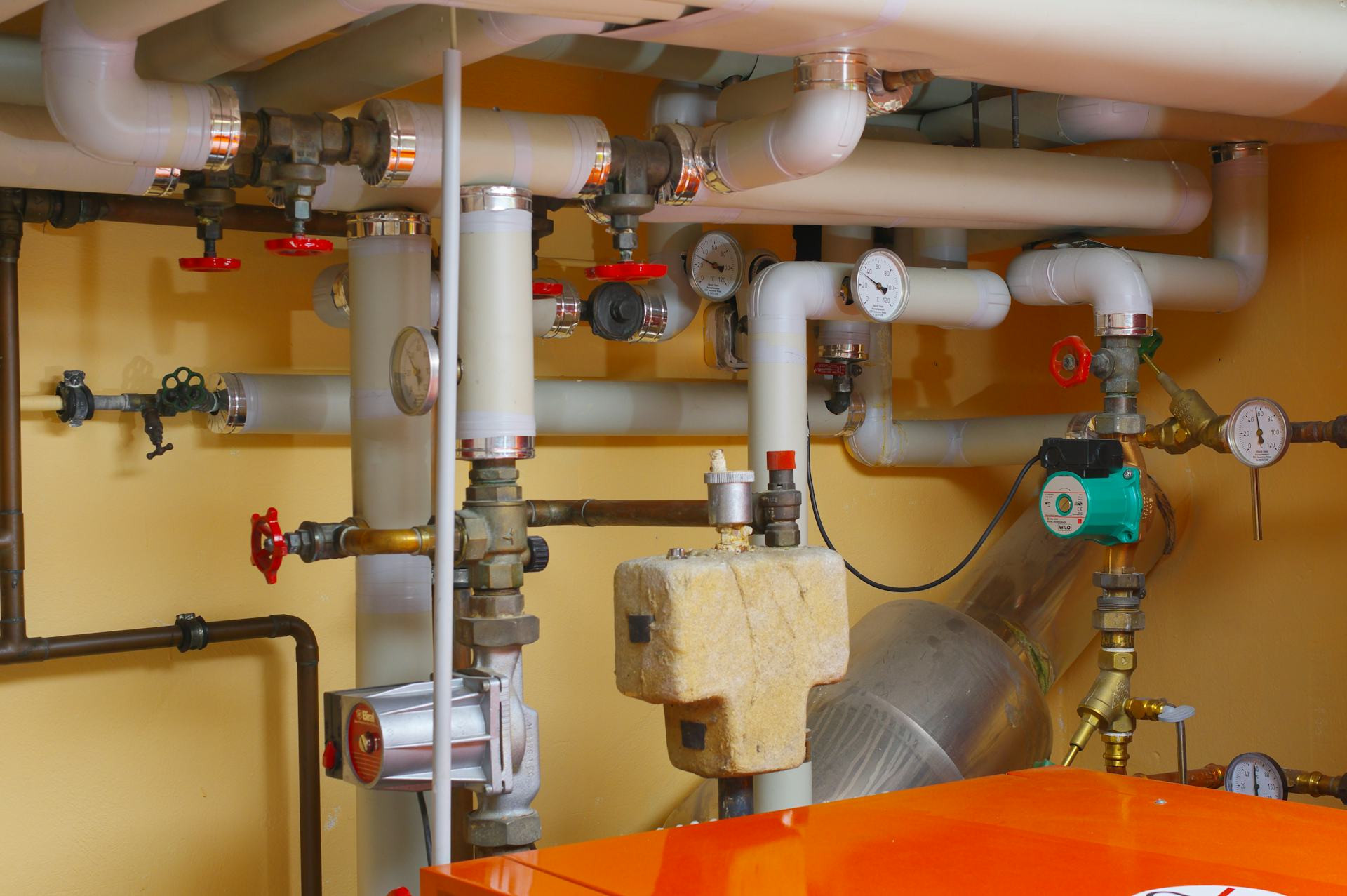
- Insulate exposed pipes with acoustic foam or pipe sleeves. This helps to dampen both flow and vibration noise.
- Seal gaps and penetrations – use acoustic sealant or expanding foam around pipes that pass through walls or ceilings.
- Add sound-absorbing panels to the wall behind visible pipework.
- Check pipe brackets – replace old metal clips with rubber-lined supports to reduce vibration transfer.
These measures don’t always require professional help, but it can be useful to ask a plumber or building surveyor where your efforts will have the most impact.
Work together with your building management
In apartment buildings, the drainage system is shared, and noise problems often affect several residents. It’s therefore worth raising the issue with your landlord, managing agent, or residents’ association. A coordinated solution – such as replacing or insulating the main soil stacks – usually gives the best results.
Many building owners choose to combine acoustic improvements with other upgrades, such as renewing water pipes or refurbishing bathrooms. This can save both time and money in the long run.
When to call a professional
If the noise persists and you can’t identify the cause, contact a qualified plumber or building acoustics specialist. They can measure the sound levels and check whether the installation meets current UK Building Regulations for noise (Approved Document E).
Sometimes the problem is due to poor installation – for example, missing brackets, undersized pipes, or incorrect gradients. These issues can often be corrected without replacing the entire system.
Peace and quiet – even when the water’s running
Drain noise isn’t just an annoyance; it can affect sleep, concentration, and overall wellbeing. The good news is that there are many ways to reduce it – from simple DIY insulation to full pipe replacements. With the right approach, you can create a calmer, more comfortable living environment where you only hear the sounds you want to.