Organising 2.0: Get on Top of Both Physical and Digital Hobby Projects

Organising 2.0: Get on Top of Both Physical and Digital Hobby Projects
Hobby projects have a way of multiplying – both in size and number. Before you know it, half-finished models are scattered across the table, yarn is tucked away in drawers, and digital files are spread across your computer. But with a bit of structure, you can regain control and enjoy your creative pursuits even more – whether they take place at your workbench or on your screen. Here’s how to bring order to both your physical and digital hobby projects in a way that brings calm, clarity, and renewed creative energy.
Create a Physical System That Works for You
The first step is to set up a physical space where you can work and store materials. It doesn’t have to be a full workshop – a corner of the living room or a small desk can be enough if you think in zones and functions.
- Divide by activity: If you have several hobbies, create small sections – for example, one for painting, one for model building, and one for sewing. It makes it easier to find what you need.
- Use clear containers: Transparent boxes and jars with labels give you an instant overview and make it easy to see what you have.
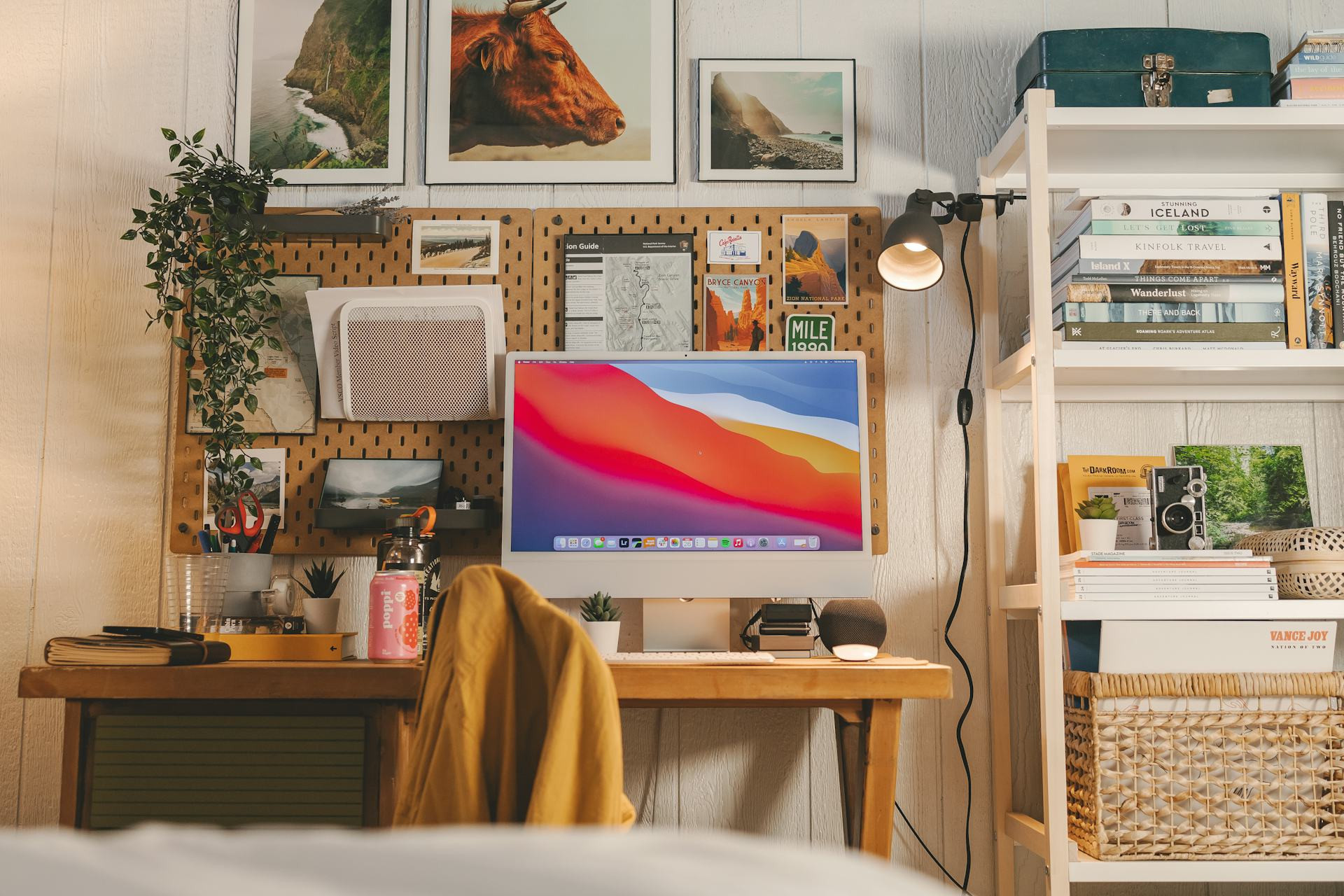
- Think vertically: Shelves, pegboards, and wall-mounted storage make the most of your space and keep your work surface clear.
- Create a “project tray”: A movable tray or board where you can gather everything for an ongoing project allows you to tidy up quickly without losing track of your progress.
An organised physical space makes it easier to get started – and, more importantly, to finish.
Digital Order – The Overlooked Side of Hobby Life
Many hobbies now have a digital side: patterns, photos, 3D files, notes, or inspiration boards. Without structure, it can quickly become overwhelming. It’s worth spending a little time creating a digital system that acts as your “hobby archive”.
- Build a clear folder structure: Start with a main folder for hobby projects and subfolders for each type of project. Name files consistently, for example, “Knitting_Jumper_2024_v1.jpg”.
- Use cloud storage: Services like Google Drive, Dropbox, or OneDrive make it easy to access your files from multiple devices – and protect them if your computer fails.
- Save inspiration systematically: Use apps like Pinterest, Notion, or Evernote to collect ideas, images, and links. It’s much easier to find that brilliant idea you saw months ago.
- Photograph your physical projects: It’s motivating to see your progress and helpful to have a record of what you’ve made.
When your digital files are organised, it becomes easier to plan, share, and build on your projects.
Planning and Prioritising – The Art of Choosing
Most hobbyists know the feeling of having several projects on the go at once. It can be inspiring, but also stressful. A simple plan can help you stay on top of things.
- Make a project list: Write down all your current and planned projects. Highlight which ones are most important and which can wait.
- Set small milestones: Instead of thinking “I need to build a model railway”, break it down into smaller steps – “lay tracks”, “paint scenery”, “install lighting”.
- Use a planner or app: A simple system like Trello, Todoist, or even a paper notebook can help you track your progress.
- Allow pauses: Some projects benefit from a break. That’s perfectly fine – as long as you know where you left off.
Planning isn’t about turning your hobby into a job; it’s about creating structure so your creativity can flourish.
Combine the Physical and the Digital
The best organisation happens when the physical and digital worlds work together. You can, for example:
- Take photos of your workspace setup so you can easily recreate it.
- Keep a digital logbook with notes on materials, colour codes, or techniques.
- Use QR codes on boxes that link to a digital inventory of their contents.
- Sync your notes between your computer and phone so you always have them to hand.
When you connect the two worlds, it becomes easier to keep track of ideas, materials, and progress.
Make Organisation Part of the Hobby
Organising doesn’t have to be a chore – it can be a creative process in itself. Many people find satisfaction in sorting, labelling, and systematising. It can even spark new inspiration when you rediscover materials you’d forgotten about.
Set aside time a few times a year to review your projects. What should be finished, what should be stored, and what can be passed on? It brings renewed energy and space for new ideas.
A New Way to Create Clarity and Joy
Organising 2.0 isn’t just about tidiness – it’s about building a system that supports your creativity. When you know where everything is – both physically and digitally – it’s easier to focus, experiment, and enjoy the process.
With a little structure, you can get more out of your hobby projects, reduce clutter, and create a space where creativity truly thrives.