Play or Conflict? Learn to Read Your Cat’s Signals

Play or Conflict? Learn to Read Your Cat’s Signals
Cats are captivating creatures – independent, curious, and full of personality. Yet their behaviour can sometimes be puzzling. A cat that purrs might be relaxed – or anxious. A cat that bites could be playing – or warning you to back off. To build a trusting and peaceful relationship with your feline friend, it’s important to understand their signals and recognise when it’s playtime and when tension is brewing.
Cats Communicate with Their Whole Body
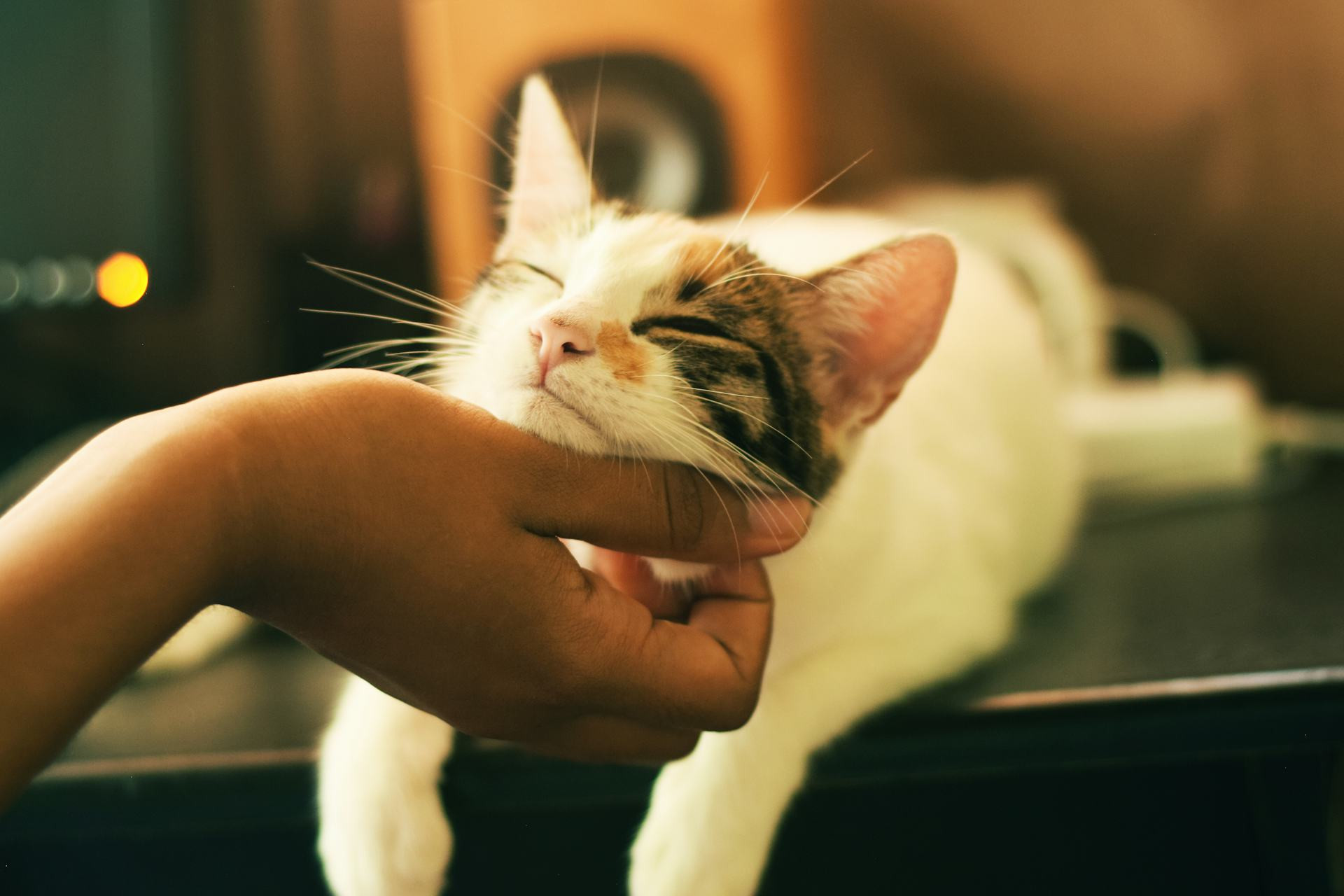
Cats use body language, sound, and scent to express themselves. Their ears, tail, eyes, and posture reveal a lot about how they feel. A relaxed cat often has half-closed eyes, ears pointing forward, and a gently swaying tail. A tense cat, on the other hand, will have stiff muscles, dilated pupils, and a tail that lashes from side to side.
Learning to read these signals takes patience and observation. The better you know your cat’s normal behaviour, the easier it is to spot when something changes.
When Your Cat Wants to Play
Play is essential for a cat’s physical health, mental stimulation, and social bonding. A playful cat usually shows clear signs:
- Tail held upright, sometimes with a little curl at the tip.
- Focused eyes, but not a hard stare.
- Ears forward, body low to the ground, ready to pounce.
- Gentle pouncing or batting at toys, your hands, or feet – without aggression.
Play can quickly shift if your cat becomes overstimulated. If the bites get harder or the tail starts flicking sharply, it’s time for a break. Cats prefer short, intense bursts of play rather than long sessions.
When Play Turns into Conflict
It can be tricky to tell the difference between play and conflict, especially when two cats are involved. Play is usually balanced – they take turns chasing and wrestling, with pauses in between. There’s no hissing, growling, or puffed-up fur. Conflict arises when one cat feels threatened or cornered.
Signs of conflict include:
- Flattened ears and hissing.
- Raised fur along the back and tail.
- Bushy tail, held low or tucked under.
- Rigid body and intense staring.
If you see these signs, don’t try to separate the cats with your hands – you could get scratched or bitten. Instead, make a loud noise, toss a cushion between them, or use a water spray to distract them safely.
Signs of Discomfort – Even Towards Humans
Even the most affectionate cat can react negatively if overstimulated. Many owners are surprised when their cat suddenly bites during stroking. It’s rarely out of malice – it’s simply the cat’s way of saying, “That’s enough.”
Typical signs your cat has had enough include:
- Tail starts flicking faster.
- Ears turn backwards.
- Muscles tense up.
- Purring stops, and the cat looks away.
Respect these signals and stop before irritation sets in. Doing so builds trust and reduces the risk of scratches or bites.
Creating Calm and Comfort
A cat that feels safe is easier to read and less likely to act aggressively. Make sure your cat has access to hiding spots, high perches, and quiet areas where it can retreat. Avoid sudden movements and loud noises, and let your cat choose when to interact.
Play with your cat daily – feather wands, balls, or puzzle toys are great options. This helps satisfy their hunting instincts in a positive way, reduces stress, and strengthens your bond.
Learn Your Cat’s Language – and Strengthen Your Connection
Understanding your cat’s signals isn’t just about avoiding conflict. It’s about building a relationship based on mutual respect. When you can interpret your cat’s body language, you can respond to their needs before problems arise. That makes life calmer and happier for both of you.
A cat that feels understood is a content cat. And an owner who can read their cat’s signals enjoys a more harmonious life with their feline companion.