Repetition in Garden Design: Creating Cohesion with Materials

Repetition in Garden Design: Creating Cohesion with Materials
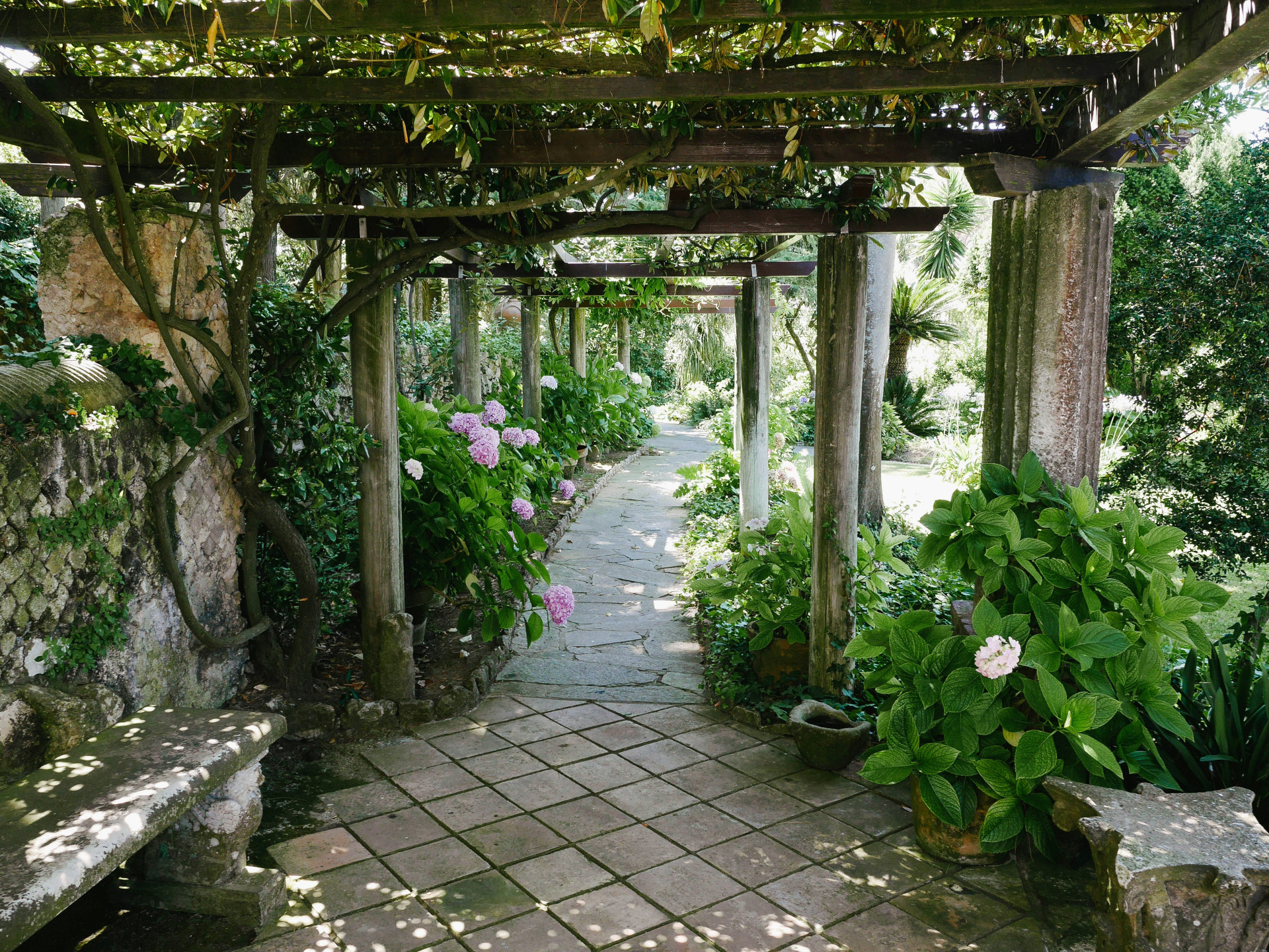
A well-designed garden is about more than just plants and flowers. It’s equally about structure, rhythm, and unity. One of the most effective ways to create harmony in a garden is through repetition – especially when it comes to materials. Repetition brings calm to the eye, connects different areas, and gives a sense of wholeness, no matter the size or style of the garden.
Why Repetition Works
As we move through a garden, we naturally respond to patterns and rhythm. Repeating materials – such as stone, wood, metal, or colour – creates a visual thread that guides the eye and gives a sense of order. Without repetition, a garden can quickly feel disjointed, as each area “speaks its own language”.
Repetition doesn’t mean monotony. It’s about using the same elements in different ways, creating variation within a recognisable framework. Think of it like a piece of music where a theme is repeated, but with subtle variations that keep it interesting.
Choose a Unifying Material
A good starting point is to select one or two materials that appear throughout the garden. For example:
- Natural stone – use the same type of stone for paving, edging, and steps to create a calm, cohesive look. Locally sourced stone, such as Yorkstone or slate, can also help the garden feel rooted in its surroundings.
- Timber – repeat the same wood species in decking, planters, and fencing. Oak or larch, for instance, weathers beautifully and adds warmth.
- Metal – corten steel or galvanised steel can be used for borders, planters, and decorative features, giving a contemporary, industrial edge.
When choosing materials, consider how they age. A garden evolves over time, and materials that develop a pleasing patina will contribute to a harmonious whole.
Repetition in Form and Structure
Repetition isn’t limited to materials – it also applies to shapes and structures. Circular beds, rectangular paving, or curved paths can be echoed in different scales to create rhythm. If you have a round pond, you might repeat the shape in a circular seating area or in planters with similar proportions.
Plant forms can reinforce this rhythm too. Repeat spherical shrubs, upright grasses, or soft groundcovers to emphasise structure. When form and material work together, the result is a natural sense of balance.
Linking House and Garden
A garden should feel like an extension of the home. Repeating materials from the house’s architecture in the garden helps create a strong connection between indoors and out. If your home features brickwork, consider using the same brick for a low wall or edging. If the house has dark timber details, echo that tone in garden furniture or fencing.
This approach makes the transition from house to garden feel seamless and gives the entire property a more cohesive character.
Repetition in Colour and Texture
Colour plays a major role in how we experience a garden. Repeating colours in both plants and materials creates visual calm. If you have grey slate paving, choose containers in similar tones and complement them with silvery foliage such as lavender or artemisia. The result is a subtle, elegant unity.
Textures can also be repeated – whether matte, rough, or smooth. Combining different textures within the same colour palette adds depth without creating visual clutter.
Avoid Overdoing It
While repetition creates cohesion, too much of the same thing can make a garden feel dull. The key is balance. Repetition should act as a guiding thread, not a rigid pattern. Break the rhythm occasionally with a contrasting plant, a new texture, or a striking feature that draws the eye.
Start Small
If you’re new to working with repetition, start with small steps. Choose one material you already have and use it in a new way. Perhaps your patio paving could also edge a flower bed, or the timber from your decking could reappear in a bench. Over time, you’ll see how repetition ties the garden together and gives it a more polished, professional feel.
A Garden with Rhythm and Calm
Repetition in garden design is ultimately about creating rhythm and tranquillity. When materials, shapes, and colours are repeated thoughtfully, the garden feels natural and inviting. It’s often the small, deliberate repetitions – rather than grand gestures – that make a garden feel cohesive, balanced, and beautifully complete.