Small Insulation Projects with a Focus on Sustainable Materials

Small Insulation Projects with a Focus on Sustainable Materials
Even small insulation projects around the home can make a noticeable difference – improving comfort, reducing energy bills, and lowering your environmental impact. While many homeowners think of insulation as a large-scale job, such as loft or cavity wall insulation, there are plenty of smaller tasks you can tackle yourself. With growing interest in sustainable materials, it’s now easier than ever to make eco-friendly choices that perform well and last. Here’s how to get started.
Why Small Insulation Projects Are Worth It
It’s often the little things that make the biggest difference. Draughty windows, cold floors, or uninsulated pipes can all lead to significant heat loss. By addressing these areas, you can cut down on wasted energy and create a more comfortable living environment. Many of these improvements are simple DIY jobs that require only basic tools and a bit of time.
Small insulation projects also help you understand your home better. You’ll learn where heat escapes and how to make your property more energy-efficient without major renovations.
Sustainable Materials – A Greener Choice
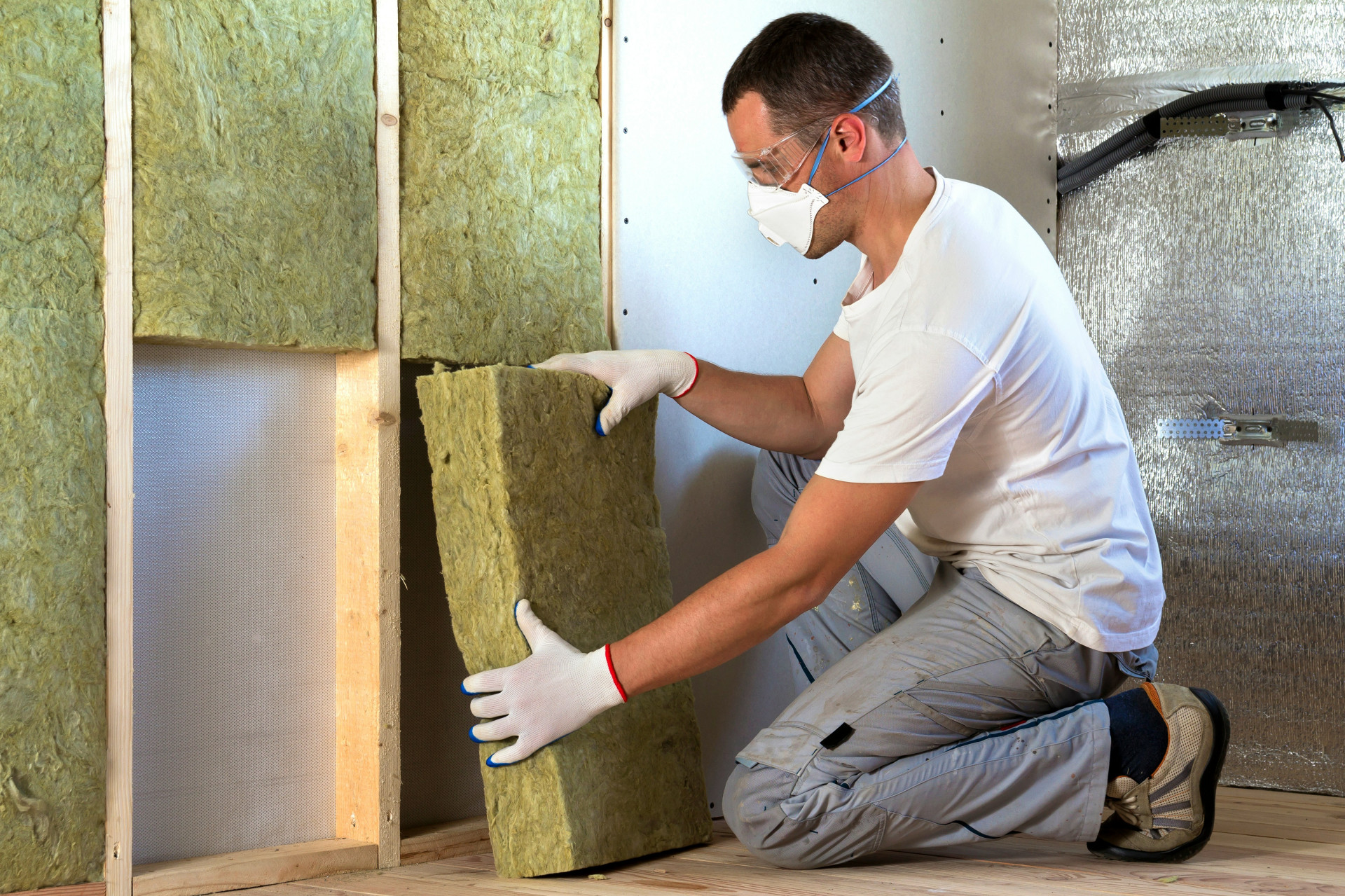
Traditional insulation materials like mineral wool and foam boards are effective but can be energy-intensive to produce and difficult to recycle. Fortunately, there are now several natural and sustainable alternatives that offer excellent performance and a lower environmental footprint. Some of the most popular include:
- Hemp – a fast-growing, renewable plant material that provides good thermal and acoustic insulation. It’s breathable, moisture-regulating, and compostable at the end of its life.
- Wood fibre – made from by-products of sustainable forestry. It offers strong insulation properties and helps maintain a healthy indoor climate.
- Sheep’s wool – a natural insulator that absorbs and releases moisture without losing its effectiveness. It’s also biodegradable and renewable.
- Cellulose (recycled paper) – produced from recycled newspaper treated for fire and mould resistance. It’s one of the most widely used eco-friendly insulation materials in the UK.
By choosing these materials, you support a more circular economy and reduce your carbon footprint – all while keeping your home warm and efficient.
Three Small Insulation Projects to Try
1. Draught-proofing Windows and Doors
Gaps around windows and doors are among the biggest sources of heat loss in British homes. Use weatherstripping made from natural rubber or silicone to seal gaps effectively. You can also apply temporary window film during the colder months to reduce draughts and improve comfort.
2. Insulating Pipes and Hot Water Tanks
Uninsulated pipes and hot water cylinders can waste a surprising amount of energy. Fit pipe sleeves made from recycled foam or hemp fibre to keep heat where it’s needed. Adding a British Standard-approved cylinder jacket to your hot water tank is another quick, low-cost improvement that pays off immediately.
3. Improving Floors and Lofts
If you have a cold floor above an unheated space, such as a garage or cellar, consider fitting wood fibre boards or hemp insulation beneath the floorboards. In the loft, topping up existing insulation with a layer of cellulose or sheep’s wool can make a big difference to overall energy efficiency.
DIY – But Do It Carefully
Many small insulation projects are suitable for DIY, but it’s important to follow best practices. Poor installation can lead to damp or reduced performance. Always read the manufacturer’s instructions and pay attention to ventilation and vapour barriers, especially when working on external walls or lofts.
If you’re unsure where to start, consider arranging a home energy assessment. Local councils and energy providers in the UK often offer advice or grants for improving home insulation.
A Smart Investment for Comfort and the Climate
Small insulation projects are a simple, affordable way to make your home more comfortable and sustainable. They don’t require major investment but can deliver noticeable results – lower heating bills, fewer draughts, and a smaller carbon footprint.
By choosing sustainable materials, you’re also supporting a more responsible building industry that values resource efficiency and environmental care. It’s a practical step towards a greener future – one layer of insulation at a time.