Smart home from the start: Integrate technology into your new build

Smart home from the start: Integrate technology into your new build
When you’re building a new home, you have a unique opportunity to design it with technology in mind from day one. A modern smart home isn’t just about convenience or flashy gadgets – it’s about energy efficiency, security, and future readiness. By planning your smart systems during the design and construction phase, you can create a home that’s intelligent, flexible, and ready for whatever comes next.
Plan your technology from the blueprint stage
It’s far easier – and more cost-effective – to integrate smart home solutions while your home is still on the drawing board than to retrofit them later. Early in the process, think about which features you’d like to automate.
Would you like to control lighting, heating, and ventilation from your phone? Do you want sensors that detect movement and temperature? Or perhaps a central system that can grow with your needs over time? By deciding this early, you can ensure that wiring, networking, and control systems are designed correctly from the start.
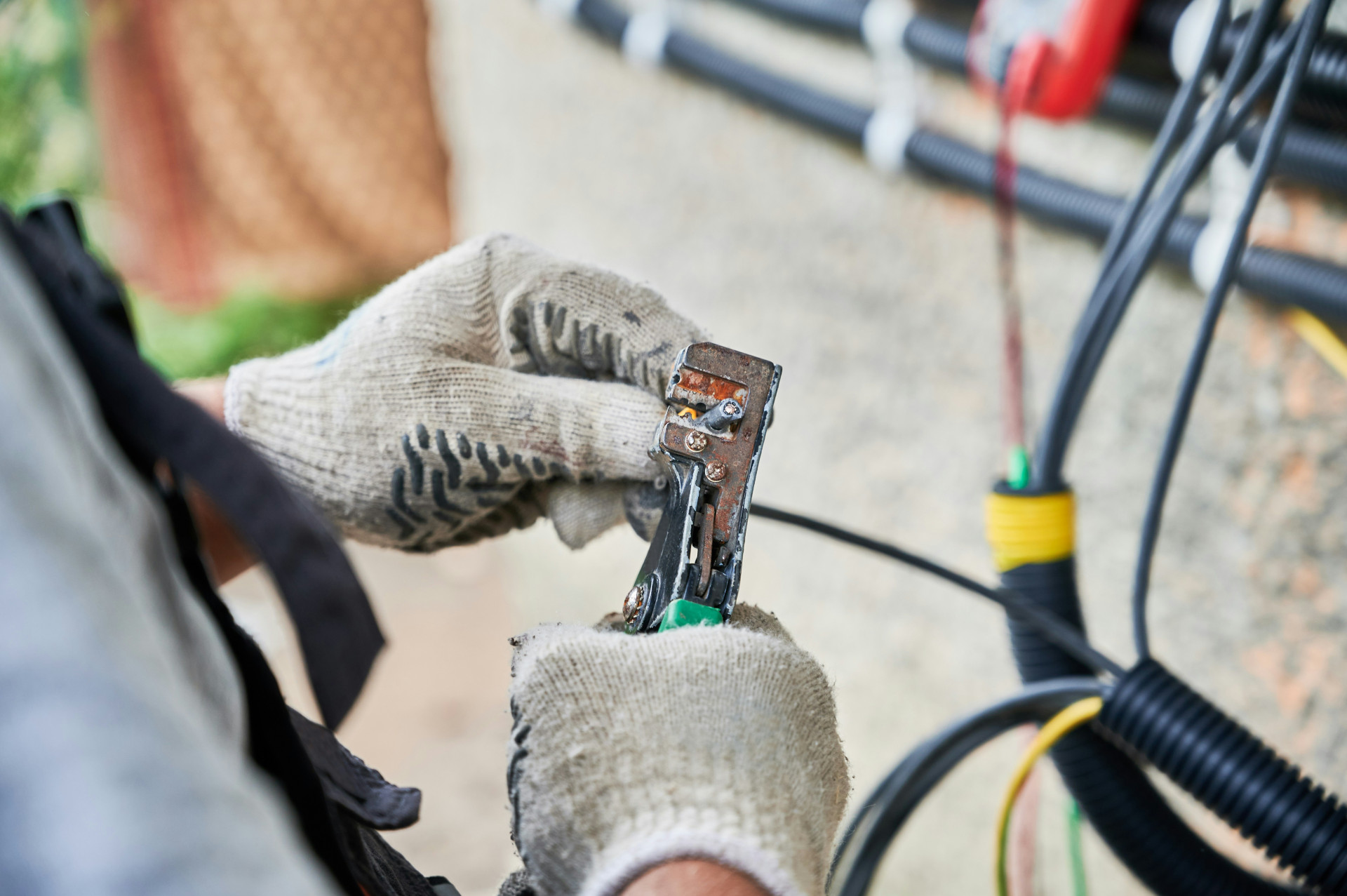
It’s a good idea to involve both your architect and your electrician in the planning. They can help you find solutions that fit your budget and lifestyle – without compromising on design.
A strong network is the foundation
A smart home is only as good as the network it runs on. Prioritise a fast, reliable internet connection and a robust internal network throughout the house.
Consider installing wired network points (Ethernet) in key areas such as the living room, home office, and utility space. While Wi-Fi is convenient, wired connections provide greater stability for devices like smart TVs, security cameras, and home servers.
Place your router and any access points strategically to ensure full coverage – including outdoor areas if you plan to control garden lighting or a robotic lawn mower via an app.
Lighting, heating, and security – the classic trio
Most people start their smart home journey with three key areas: lighting, heating, and security.
- Lighting control: Smart bulbs and switches let you create ambience, save energy, and manage everything from your phone. You can set lights to turn on when you arrive home or dim automatically in the evening.
- Heating: Smart thermostats learn your habits and adjust the temperature automatically, improving comfort while reducing energy use.
- Security: Smart cameras, door and window sensors, and connected locks provide peace of mind – and can all be integrated into one system that alerts you if something’s amiss.
When building new, you can choose a central control system that allows all these functions to work together seamlessly, making future upgrades easier.
Future-proof your home
Technology evolves quickly, and what’s cutting-edge today may be outdated in a few years. That’s why flexibility is key when designing your new build.
- Install extra conduits in walls and ceilings so you can easily add new cables later.
- Choose open systems that work with multiple brands and standards such as Zigbee, Z-Wave, or Matter.
- Plan a centralised tech hub where your router, server, and control units can be housed. This makes maintenance and upgrades simpler.
By building with adaptability in mind, you can expand your smart home over time without major disruption.
Energy efficiency and sustainability
A smart home can also be a greener home. By combining technology with energy-efficient systems, you can reduce both your bills and your carbon footprint.
Solar panels, heat pumps, and intelligent energy management can work together so your home automatically uses power in the most efficient way. For example, your system could charge your electric car when your solar panels are producing the most energy, or lower the heating when no one’s home.
It’s not just about comfort – it’s about using resources wisely.
Make everyday life easier – and more personal
A smart home shouldn’t feel like a tech experiment; it should feel natural. The best systems are those that quietly make life simpler.
You could:
- Get a notification when the washing machine finishes.
- Have blinds open automatically in the morning.
- Control everything with voice commands or a single app.
When technology is thoughtfully integrated from the start, it becomes part of your home’s rhythm – not just a collection of gadgets.
Smart home from the start – an investment in the future
Integrating technology into your new build isn’t just a luxury; it’s an investment in comfort, security, and energy efficiency. It gives you a home that adapts to your lifestyle – now and in the years to come.
With the right planning, you can create a house that’s not only brand new, but truly smart.