Sofa quality and indoor climate: How does the material affect the air quality in your home?

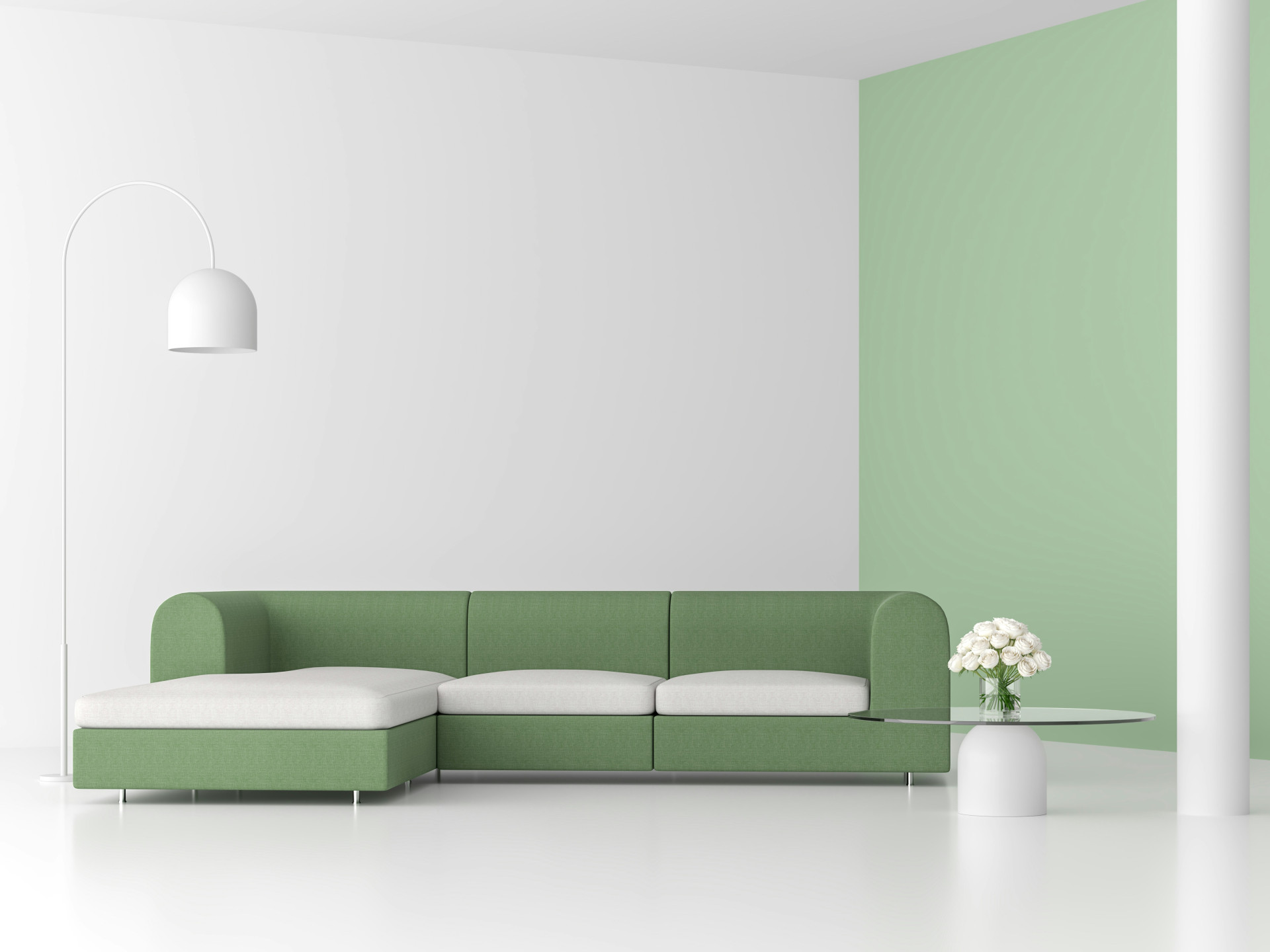
Sofa quality and indoor climate: How does the material affect the air quality in your home?
When choosing a sofa, most of us focus on comfort, design, and price. But the materials used in your sofa can also have a surprising impact on your indoor air quality – and therefore on your health and wellbeing. From foam fillings and fabrics to glues and surface treatments, furniture can release substances into the air that affect the atmosphere in your home. Here we take a closer look at how sofa quality relates to a healthy indoor environment, and what to consider when buying your next sofa.
What do sofas release into the air?
Many modern pieces of furniture – including sofas – can emit volatile organic compounds (VOCs). These are small chemical substances that evaporate from materials such as foam, adhesives, varnishes, and textiles. VOCs are often responsible for the “new furniture smell”, but they can also irritate the eyes and airways, especially in poorly ventilated rooms.
The most common sources in sofas include:
- Foam fillings made from polyurethane, which can release chemical residues.
- Adhesives and glues used to assemble the frame and upholstery.
- Fabrics and dyes, which may contain residues from colouring or flame-retardant treatments.
- Wood and veneers, sometimes treated with formaldehyde-based products.
Although the amounts are usually small, they can contribute to the overall chemical load in your home – particularly in new furniture and in spaces with limited ventilation.
Natural materials often mean cleaner air
If you want to reduce chemical emissions, consider sofas made from natural or certified materials. Wool, cotton, linen, and leather generally emit fewer VOCs than synthetic alternatives. Natural fillings such as latex, feather, or coconut fibre can also be a healthier choice than petroleum-based foams.
In the UK, you can look for eco-labels such as Oeko-Tex, GOTS (Global Organic Textile Standard), or FSC-certified wood. These labels indicate that the materials have been tested for harmful substances and produced with lower environmental impact. Some British and European manufacturers also offer furniture certified by EU Ecolabel, which sets strict requirements for emissions and sustainability.
Ventilation and maintenance make a difference
Even the best-quality sofa can release a slight odour at first. It’s a good idea to air out your home thoroughly when new furniture arrives. Most VOCs evaporate most quickly during the first few weeks, so extra ventilation during this period can make a noticeable difference.
Regular cleaning also helps maintain good air quality. Dust can trap chemical residues and allergens, which are released when you sit down. Use a vacuum cleaner with a HEPA filter, and wash removable covers regularly to keep both your sofa and the air around it clean.
Foam, upholstery, and construction – quality pays off
Budget sofas can be tempting, but they are often made from materials with a shorter lifespan and higher chemical emissions. A high-quality sofa typically features:
- Dense foam with lower off-gassing and better durability.
- Solid wood frames instead of particleboard bonded with glue.
- Removable and washable covers, making cleaning easier.
- Certified fabrics tested for harmful substances.
While the initial cost may be higher, you’ll get a piece of furniture that lasts longer and contributes to a healthier home environment.
How to choose a sofa with indoor air quality in mind
When shopping in-store or online, keep these guidelines in mind:
- Ask about the materials – including the frame, filling, and upholstery.
- Look for eco-labels such as Oeko-Tex, GOTS, FSC, or EU Ecolabel.
- Avoid unnecessary chemical treatments, such as stain guards or flame retardants, unless required for safety.
- Ventilate well after delivery, and avoid placing the sofa in a room with poor airflow.
- Choose quality over quantity – a well-made sofa lasts longer and has a smaller environmental footprint over time.
A healthy home starts with conscious choices
The sofa is often the heart of the living room – a place to relax, read, watch films, and spend time with family and friends. That’s why it makes sense to think about what it’s made of. By choosing high-quality materials, trusted certifications, and ensuring good ventilation, you can create a home where comfort and clean air go hand in hand.