Sofas for Small Homes: Designs That Make the Most of Your Space

Sofas for Small Homes: Designs That Make the Most of Your Space
When space is limited, every inch counts. In small homes and flats, interior design is not just about style – it’s about practicality and flexibility. The sofa, often the largest piece of furniture in the living room, plays a key role. It needs to be comfortable, fit the space, and ideally serve more than one purpose. Here’s how to choose and style a sofa that makes the most of your space.
Think Multifunctional
In compact homes, furniture that serves multiple purposes is a real advantage. A sofa bed is the classic example – a comfortable seat by day and a bed by night. But there are plenty of other clever options:
- Sofas with storage – models with built-in compartments under the seat are perfect for storing bedding, blankets, or books.
- Modular sofas – can be rearranged to suit your needs and easily adapted if you want to change the layout.
- Chaise-end sofas – provide extra seating and often include hidden storage beneath the chaise section.
By choosing a sofa that does more than one job, you can enjoy both comfort and practicality without sacrificing space.
Choose the Right Size and Shape
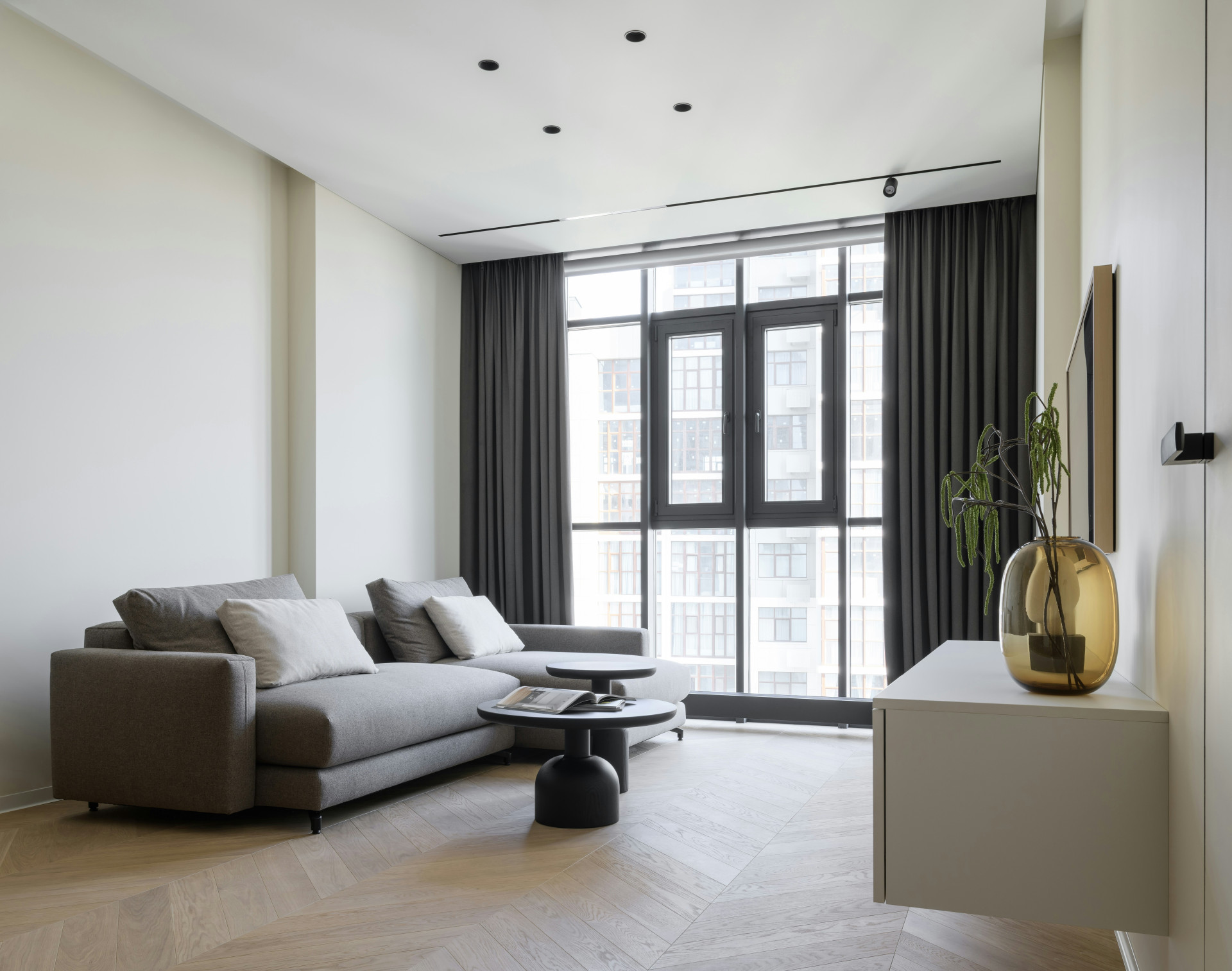
It’s tempting to go for a large, plush sofa, but in a small room it can quickly overwhelm the space. A compact two-seater or a corner sofa with slim arms can offer the same comfort while keeping the room feeling open.
Consider the shape of the sofa in relation to your room layout:
- L-shaped sofas make great use of corners and help define the living area.
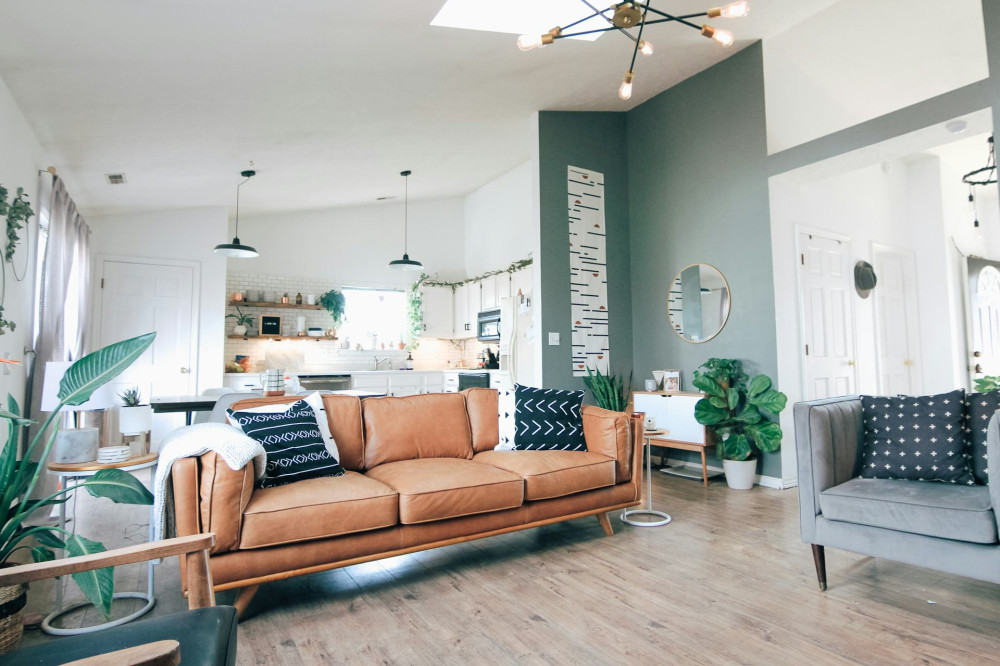
- Sofas on legs create a lighter look and make the room feel larger by allowing light to flow underneath.
- Curved or rounded designs can work well in rooms with awkward angles or multiple doorways.
Always measure carefully before buying – a simple floor plan or masking tape outline can help you visualise how the sofa will fit.
Colours and Materials That Open Up the Room
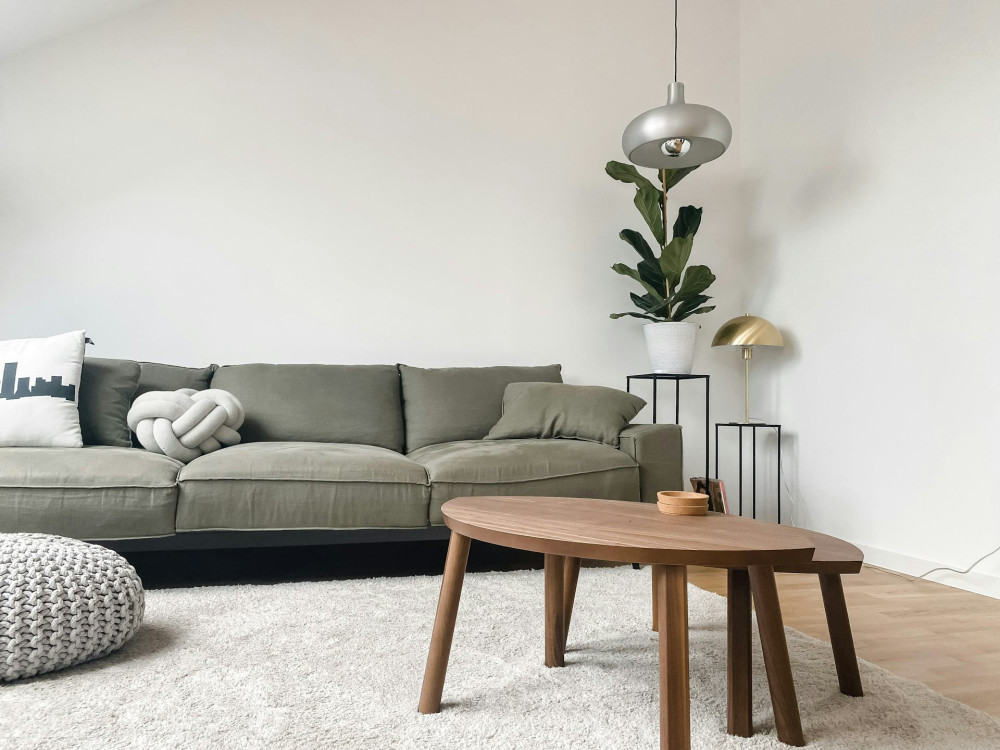
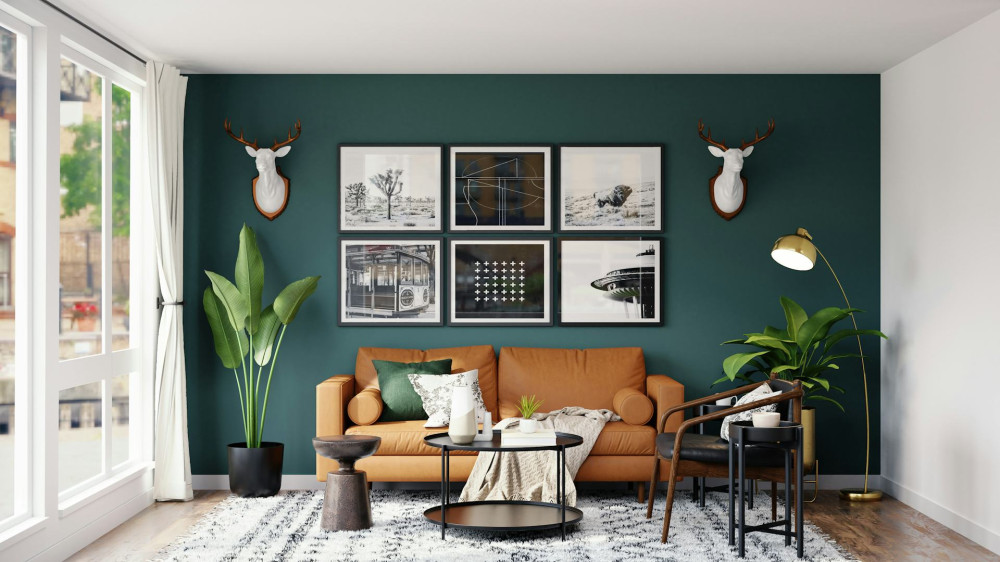
Colour has a big impact on how spacious a room feels. Light shades such as soft grey, beige, or pale green can make a small living area feel brighter and more open. If you want to add personality, use cushions, throws, or a rug in bolder tones.
Materials matter too. Lightweight fabrics like linen or cotton blends create an airy feel, while heavy velvet or dark leather can make a room seem smaller. Choose easy-care materials, especially if your sofa doubles as a guest bed or dining spot.
Styling Around the Sofa
Even the most space-efficient sofa can look bulky if the rest of the room isn’t balanced. Think about the overall layout:
- Use small side tables instead of a large coffee table – they’re easier to move around.
- Mount shelves on the wall rather than using floor-standing units.
- Opt for wall or ceiling lights to free up floor space.
- Add mirrors to reflect light and create the illusion of more room.
Keeping the décor light and flexible allows the sofa to be the focal point without dominating the space.
Create Zones in One Room
In many small homes, the living room also serves as a bedroom, workspace, or dining area. The sofa can help define these zones. A low bookcase behind the sofa can separate the lounge from a home office, while a rug beneath the seating area visually anchors the space.
Use colour, lighting, and textiles to highlight different functions – this brings structure and calm, even in a small open-plan room.
Quality Over Quantity
When space is limited, it’s worth investing in fewer but better pieces. A well-made sofa will last for years and can adapt to new spaces as your needs change. Look for removable covers that can be washed or replaced, and consider how the design will fit if you move to a larger home in the future.
A good sofa is more than just a seat – it’s a place to relax, gather, and unwind. With the right design, it can make even the smallest home feel comfortable, stylish, and perfectly put together.