Stop the Blockage in Time – Learn to Recognise the Warning Signs

Stop the Blockage in Time – Learn to Recognise the Warning Signs
A well-functioning drainage system is something most of us take for granted – until the water suddenly stops draining away or the toilet starts making strange gurgling noises. A blocked drain or sewer can quickly turn from a minor inconvenience into a costly problem, with the risk of water damage and unpleasant odours. Fortunately, your drains often give you clear warning signs before things get serious. Here’s how to spot the early symptoms and what you can do to prevent a full blockage.
The First Signs That Something’s Wrong
Blockages rarely happen overnight. They usually build up gradually as grease, hair, soap residue and other debris accumulate inside the pipes. If you pay attention, you can act before the situation escalates.
- Slow drainage: If water in your sink, shower or bath starts draining more slowly than usual, it’s a classic sign of a developing blockage.
- Gurgling sounds: Bubbling or gurgling noises from your drains or toilet when you run water elsewhere in the house can indicate trapped air caused by a partial blockage.
- Unpleasant smells: A sour or sewage-like odour coming from your drains suggests that waste or bacteria are building up inside the pipes.
- Standing water: If water remains in the sink or shower tray after use, it’s a sign that the drain is nearly blocked.
The sooner you respond to these signs, the more likely you are to fix the problem yourself – without needing to call a plumber.
Common Causes of Blockages
Most blockages are caused by everyday habits that put strain on your drainage system over time. Some of the most common culprits include:
- Grease and food waste from cooking, which solidify in the pipes once they cool.
- Hair and soap residue in bathroom drains, which clump together and trap other debris.
- Wet wipes, cotton buds and sanitary products, which should never be flushed down the toilet but often are.
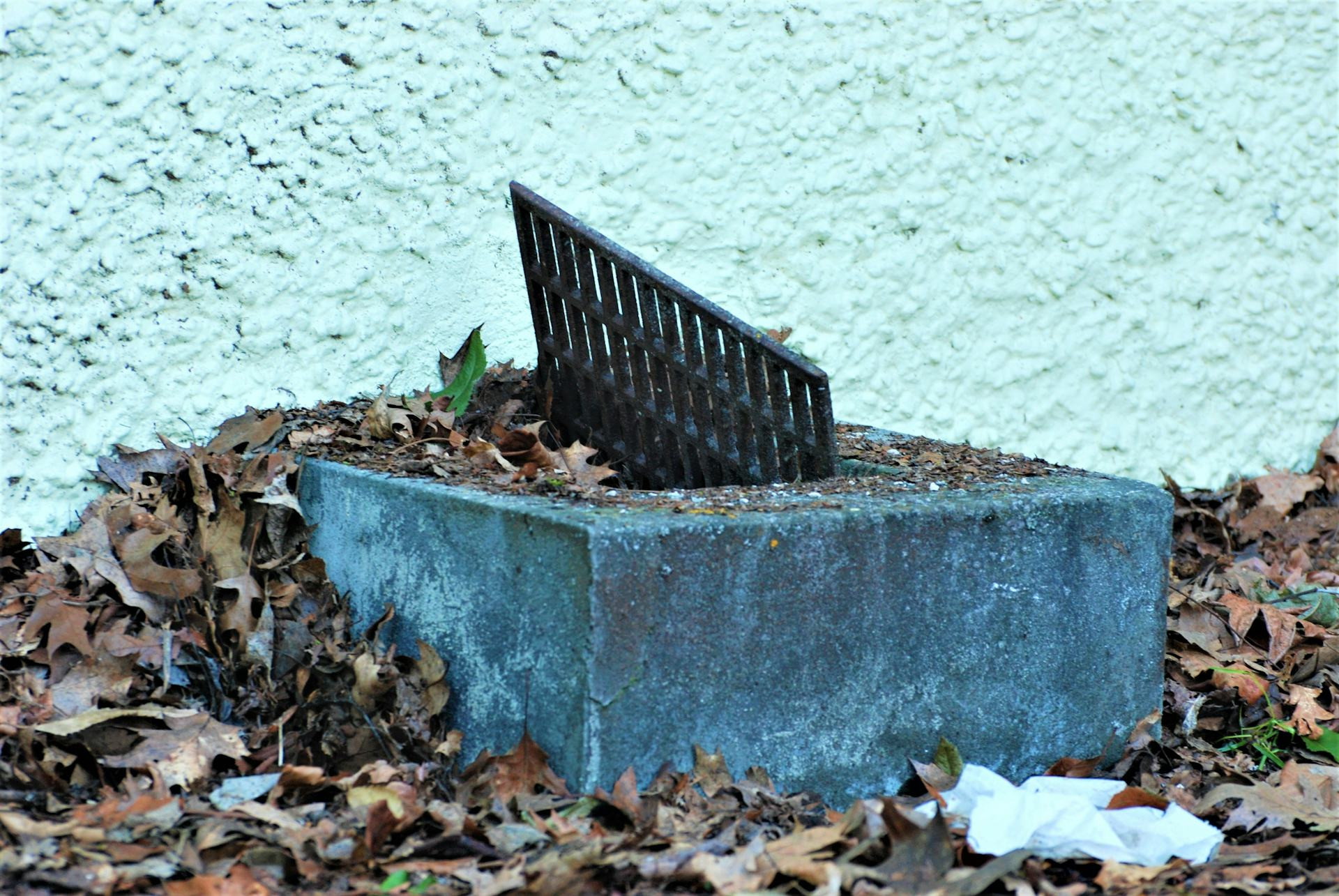
- Leaves and dirt in outdoor drains and gutters, which can block rainwater flow.
By making small changes – such as wiping grease from pans with kitchen paper, using a drain strainer, and cleaning drains regularly – you can prevent many problems before they start.
How to Check Your Drains
A quick inspection a few times a year can save you from expensive repairs. Start with the drains you can easily access:
- Remove the drain cover and look inside. If you see visible debris, hair or grease, remove it using gloves or a small brush.
- Pour boiling water down the drain to help dissolve grease and soap build-up.
- Use a mixture of bicarbonate of soda and vinegar as a mild, eco-friendly cleaning solution.
- For outdoor drains, lift the cover and check whether water is standing at the bottom – this could indicate a developing blockage further down the system.
If water still doesn’t flow freely after cleaning, it may be time to call a professional to jet-clean the pipes.
When to Call for Professional Help
While many minor issues can be solved with simple cleaning, there are times when you should contact a qualified drainage engineer:
- If several drains in your home are affected at once.
- If water backs up through the floor drain when you flush the toilet.
- If blockages keep returning even after cleaning.
- If you notice dampness or odours in the basement, which could indicate a damaged pipe.
A professional can inspect your drains with specialist camera equipment to locate the exact problem and prevent it from turning into a major repair.
Prevention Is the Best Solution
Keeping your drainage system healthy doesn’t require much effort, but a little attention goes a long way. Here are some good habits to adopt:
- Clean drains and traps regularly.
- Never pour fat, oil or food scraps down the sink.
- Use strainers in kitchen and bathroom drains.
- Flush only toilet paper – nothing else.
- Keep gutters and outdoor drains clear of leaves and debris.
By following these simple steps, you can extend the life of your drainage system and avoid costly call-outs.
A Small Sign Can Save You Big Trouble
Most blockages start as small annoyances that are easy to ignore. But by reacting to early warning signs – slow drainage, bad smells or gurgling noises – you can stop the problem before it grows. A healthy drainage system isn’t just about convenience; it’s about protecting your home from damp and damage. So keep an eye, an ear and a nose out – and stop the blockage in time.