Teach Your Child About Sustainability Through Interior Design

Teach Your Child About Sustainability Through Interior Design
Sustainability isn’t just a topic for politicians or businesses – it starts at home. And one of the best places to begin is in your child’s bedroom. By involving your child in decorating and talking about materials, recycling, and mindful consumption, you can help them develop an eco-conscious mindset in a fun and practical way. Here’s how to create a room that’s cosy, functional, and sustainable – while teaching your child why it matters.
Make Sustainability Tangible
For children, sustainability can feel like an abstract idea. Through interior design, you can make it real. Explain, for example, that wooden furniture can last for years, while plastic often breaks more easily. Or that recycling means giving something a new life instead of throwing it away.
Let your child help choose items for their room – perhaps a second-hand bookshelf from a charity shop that you can repaint together. This gives them a sense of ownership and shows that old things can become new again with a bit of creativity.
Choose Materials with Care
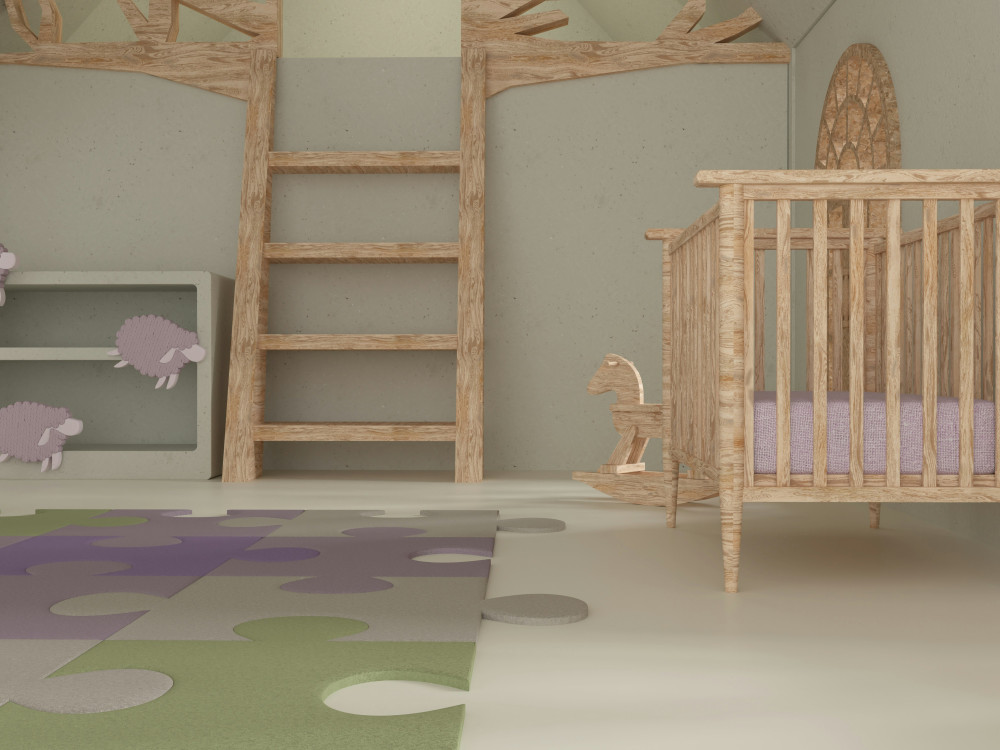
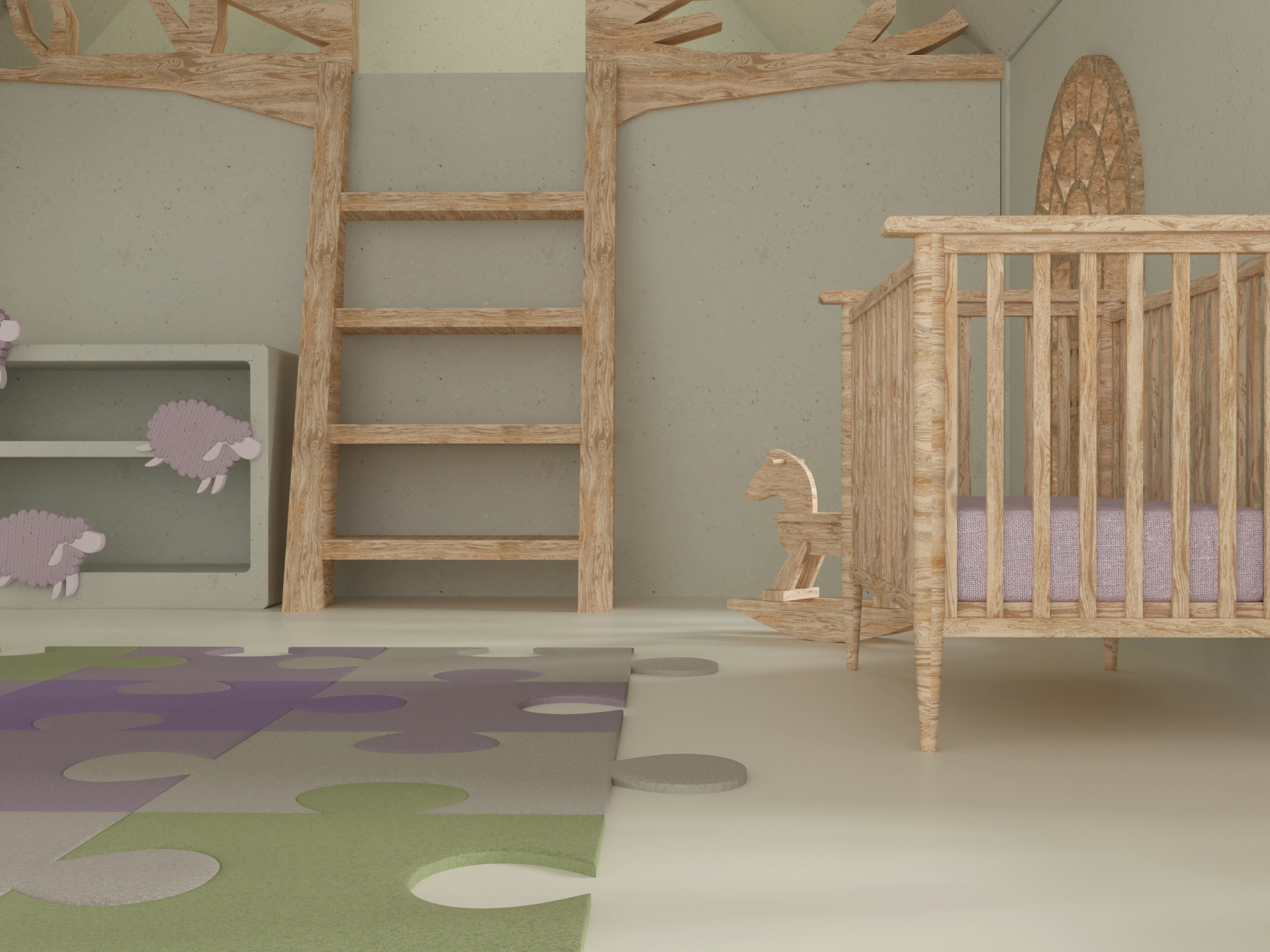
When decorating, think about the materials you bring into the space. Natural materials such as wood, cotton, wool, and bamboo are often more durable and free from harmful chemicals. They also help create a healthier indoor environment.
- Furniture: Look for FSC-certified wood or pieces made by local craftspeople.
- Textiles: Choose organic cotton for bedding and curtains.
- Paint: Use eco-labelled paints with low or no VOCs (volatile organic compounds).
Explain to your child why you’re making these choices – it helps them understand that every decision has an impact.
Give Old Items a New Life
A sustainable bedroom doesn’t have to be filled with new things. In fact, it can be more fun to find pre-loved furniture and give it a personal touch. An old chest of drawers can get new handles, a chair can be painted in your child’s favourite colour, and a wooden crate can become a bookshelf.
Turn it into a shared project. Visit a car boot sale or browse online marketplaces together, and let your child pick something they find exciting. They’ll learn that reusing isn’t boring – it’s creative and unique.
Create a Room That Grows with Your Child
Children grow quickly, and their needs change. Instead of buying new furniture every few years, design the room to be flexible. Choose pieces that can adapt – for example, a height-adjustable desk or a bed with built-in storage.
As your child gets older, the room can easily be updated with small changes like new colours, posters, or cushions. This saves money and resources – and teaches that sustainability is also about thinking long-term.
Teach Care and Responsibility
An important part of sustainability is looking after what you already have. Encourage your child to tidy up, repair, and care for their belongings. If something breaks, try fixing it together instead of replacing it. This builds a sense of responsibility and respect for resources.
You can also introduce small daily habits, such as turning off lights when leaving the room or using a refillable water bottle instead of single-use plastic. These small actions make a big difference when they become part of everyday life.
Make Sustainability Fun
Children learn best through play. Create activities that make sustainability enjoyable:
- Sort through toys together and decide what can be donated.
- Make decorations from recycled materials.
- Plant a small indoor herb or flower pot that your child can look after.
When sustainability becomes part of play, it naturally becomes part of your child’s way of thinking.
A Room with Purpose
A sustainable children’s room isn’t just about eco-friendly choices – it’s about creating a space with meaning. A place where your child feels safe, creative, and aware that they can make a difference. By involving them in the process, you show that sustainability isn’t a burden but a way of taking responsibility – for themselves, for others, and for the planet.