Weekly Checklist for Your Pet’s Wellbeing

Weekly Checklist for Your Pet’s Wellbeing
A pet brings joy, companionship, and warmth to any home – but caring for one also means taking responsibility for its health and happiness. Just as we benefit from routines, our pets thrive when we pay regular attention to their needs. A weekly check helps you spot small issues before they become serious and strengthens the bond between you and your animal. Here’s a practical checklist suitable for most pets – from dogs and cats to rabbits and guinea pigs.
1. Health and Physical Condition
Begin the week with a quick health check. It doesn’t take long, but it can make a big difference.
- Coat and skin: Look for lumps, sores, dandruff, or parasites. Brush your pet’s coat to remove loose hair and keep the skin healthy.
- Eyes and ears: Eyes should be clear and free from discharge. Ears should be clean and odourless – redness or a bad smell can indicate infection.
- Teeth and mouth: Check for tartar, discolouration, or bad breath. Dental issues are common, especially in cats and small animals, and may require a vet’s attention.
- Body and weight: Feel along your pet’s body to ensure it’s not too thin or overweight. Sudden weight changes can be an early sign of illness.
A few minutes of observation each week can prevent many problems – and your pet will often enjoy the extra attention.
2. Exercise and Activity
Regular movement is essential for both physical and mental wellbeing. Think about whether your pet is getting enough exercise during the week.
- Dogs: Make sure your dog gets daily walks with time to sniff and explore. Vary your routes to keep things interesting.
- Cats: Encourage play with feather toys, balls, or interactive games. Indoor cats especially need stimulation to prevent boredom.
- Small animals: Give rabbits and rodents safe space outside their cage to hop or run around.
Exercise helps prevent obesity, strengthens muscles, and supports mental balance – just like it does for us.
3. Food and Water
A healthy diet is the foundation of wellbeing. Use your weekly check to make sure everything is in order.
- Food: Check expiry dates and storage conditions. Are you feeding the right type and amount for your pet’s age and size?
- Water: Replace water daily and clean the bowl at least once a week to prevent bacteria build-up.
- Treats: Offer treats in moderation – they should be a reward, not a substitute for attention or activity.
If you’re unsure about diet or portion sizes, your vet can help you find the right balance.
4. Environment and Surroundings
A clean, safe environment is key to your pet’s comfort and health.
- Sleeping area: Wash bedding, baskets, or cages regularly to prevent odours and parasites.
- Toys: Check toys for wear and tear or sharp edges. Replace anything that’s broken.
- Litter tray or cage: Clean thoroughly at least once a week. A tidy space reduces stress and the risk of disease.
Small improvements in your pet’s surroundings can make a big difference to its wellbeing.
5. Mental Wellbeing and Companionship
Pets need more than food and exercise – they also need affection, security, and stimulation.
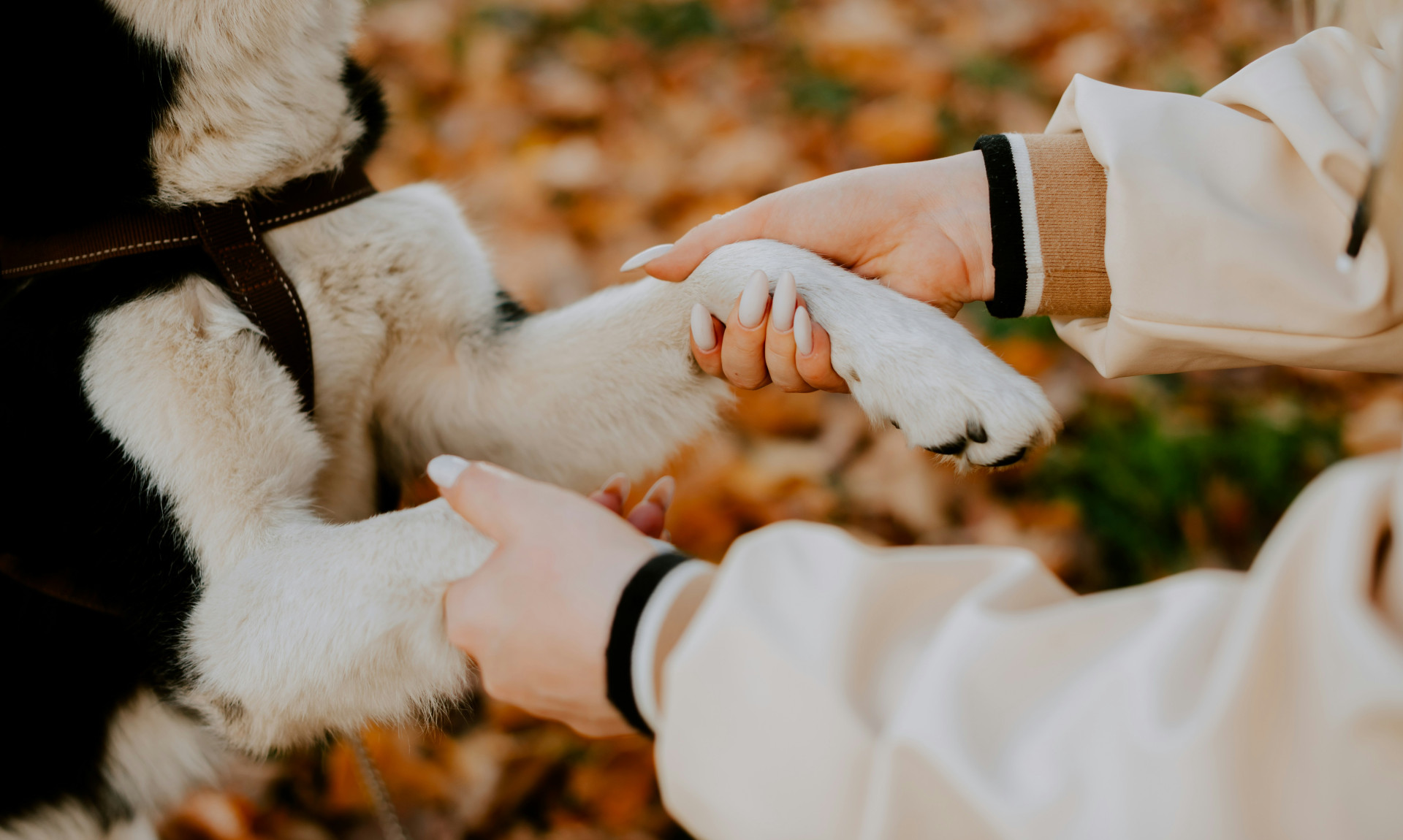
- Time together: Set aside time each day for play, training, or quiet companionship.
- Training: Practise simple commands or teach new tricks. It builds confidence and strengthens your bond.
- Observation: Notice any changes in behaviour – is your pet withdrawn, restless, or less playful than usual?
Knowing your pet’s normal behaviour makes it easier to spot when something isn’t right.
6. Plan Ahead
Use your weekly checklist to stay organised and prepared.
- Do you need to order food or book a vet appointment?
- Are vaccinations, flea, and worm treatments up to date?
- Does your pet need grooming or nail trimming soon?
Keeping everything in a routine makes care easier – and gives you peace of mind knowing your pet is well looked after.
A Small Effort with a Big Impact
A weekly checklist takes only a few minutes, but it can extend your pet’s life and greatly improve its quality of life. It also deepens your connection – because pets thrive when they feel seen, touched, and cared for.
Taking time to check, play, and nurture isn’t just kindness – it’s an investment in a healthy, happy life together.