When Art Can Be Felt: Create Depth with Textures and Surfaces

When Art Can Be Felt: Create Depth with Textures and Surfaces
When we think of art, colour, composition and subject matter often come to mind first. Yet one of the most powerful – and sometimes overlooked – dimensions of art is the tactile one: what we can feel. Texture and surface bring depth, awaken the senses and give a space its character. In an age when much of our visual experience happens through screens, the physical presence of textured art can reconnect us with the material world and make the experience of art more immediate.
Why Texture Matters
Texture is not only about how something looks, but also about how we imagine it feels. A rough surface can suggest energy and movement, while a smooth one can evoke calm and balance. When artists build up layers of paint, fabric, paper or other materials, they create both visual and physical depth that engages our senses in subtle ways.
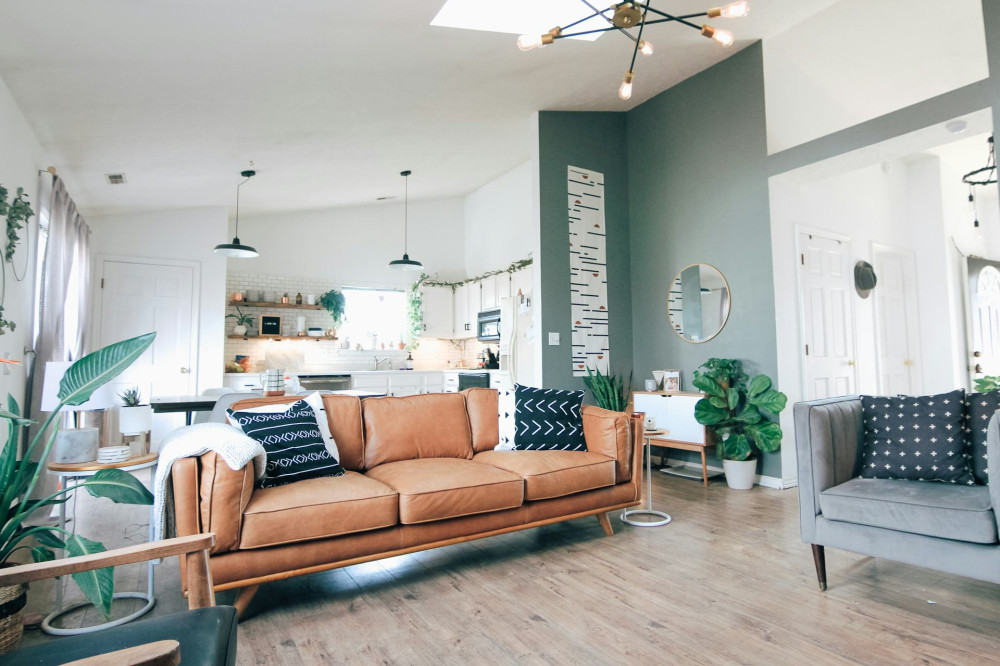
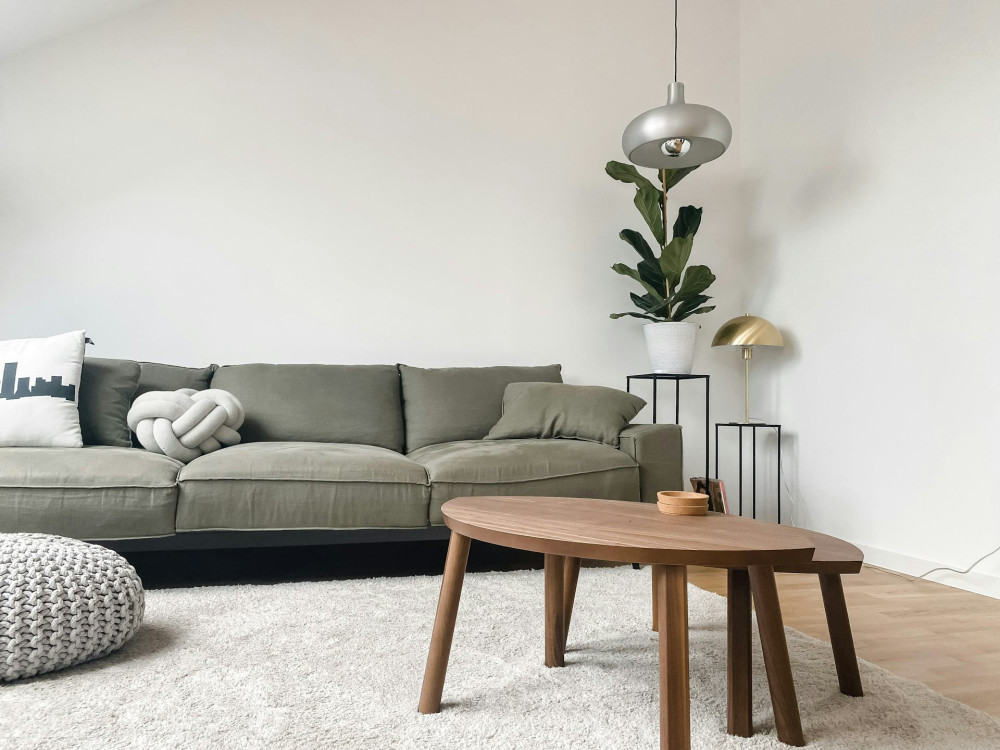
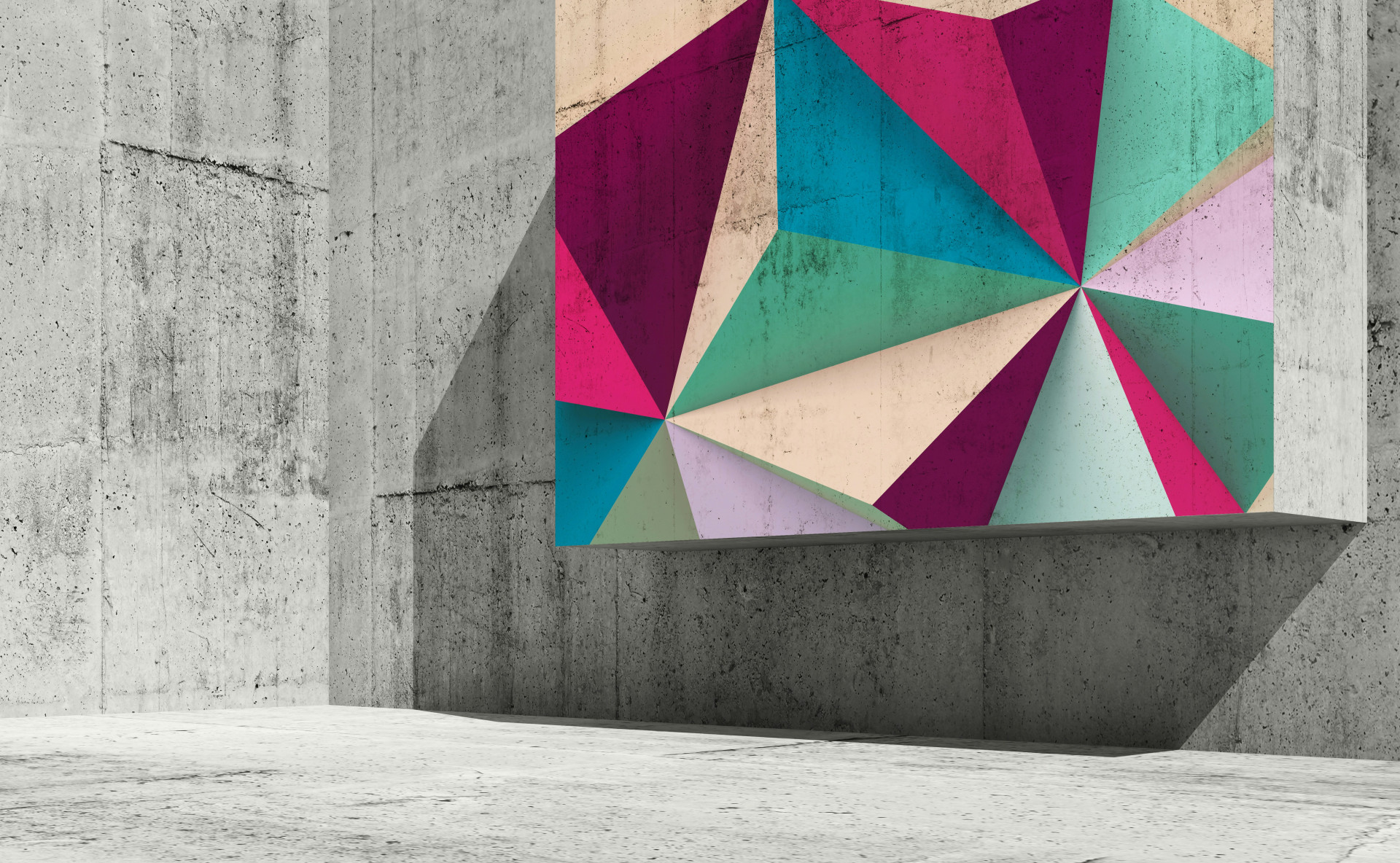
In the home, textured art can transform the atmosphere of a room. A space dominated by sleek materials such as glass, metal or polished stone can gain warmth and personality from a piece with visible brushstrokes or layered surfaces. Conversely, a room filled with soft furnishings can benefit from the contrast of a more rugged or structured artwork.
The Language of Materials
Every material has its own voice. Canvas, wood, metal, paper, textile and clay each respond differently to light and touch. A thickly painted oil piece catches the light in a way that a minimalist print on matte paper never could. A ceramic sculpture feels alive because its surface carries the imprint of the maker’s hands.
Many contemporary artists experiment with mixed media, combining paint with sand, wax, fabric or found materials. These combinations give artworks a sense of authenticity and craftsmanship that speaks to both the eye and the hand. The result is art that feels grounded – something that invites you to look closer and sense the story behind its making.
Bringing Texture into Your Home
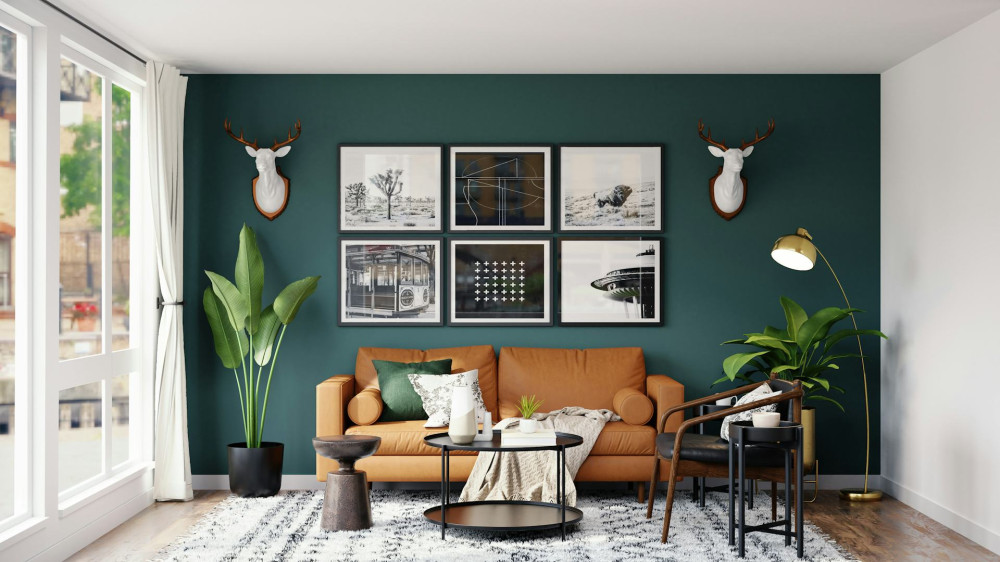
When choosing art for your home, consider how texture interacts with the rest of your interior. It’s not just about matching colours, but about creating a sensory balance.
- Create contrast: In a minimalist or modern space, a textured artwork can add warmth and individuality.
- Encourage calm: In a busy or colourful room, a piece with a smooth, even surface can bring a sense of stillness.
- Play with light: Textured surfaces change throughout the day as light moves across them. Try placing them where natural light can highlight their details.
- Think in series: A group of smaller works with different textures can form a cohesive, tactile display.
The goal is not to fill every wall, but to choose pieces thoughtfully – allowing the material qualities of the art to speak for themselves.
Art That Invites Presence
In our digital era, where so much of what we see is flat and backlit, physical art offers a welcome pause. A textured piece invites you to come closer, to look, to feel. It creates a quiet dialogue between the artist’s hand and the viewer’s senses – a connection that goes beyond sight.
Surrounding yourself with art that can be felt turns your home into more than a place to look at beautiful things. It becomes a space to experience them. That is where art gains its true depth – both visually and emotionally.