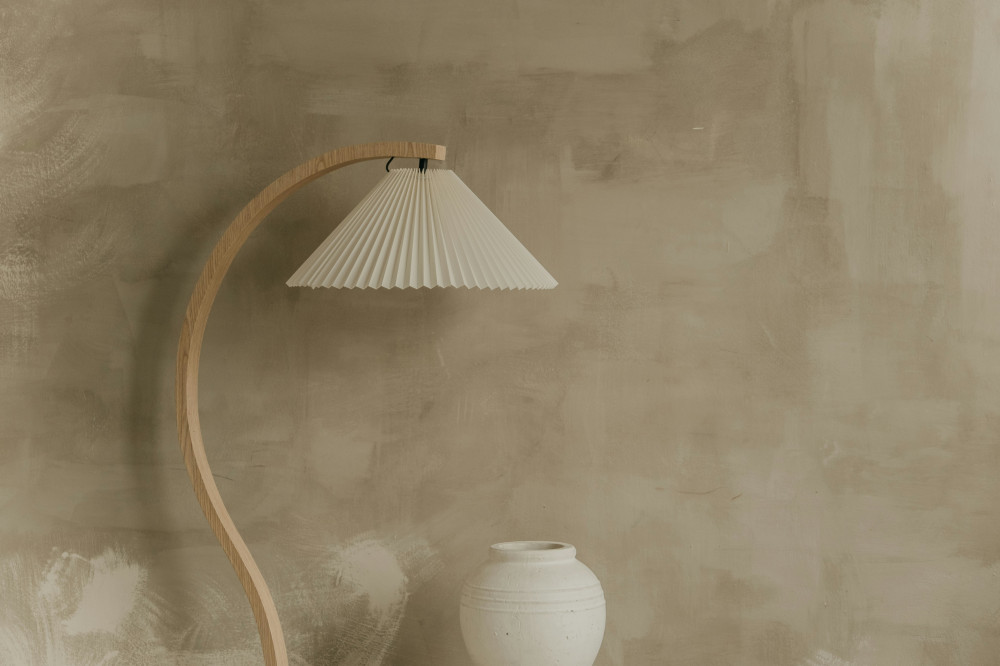
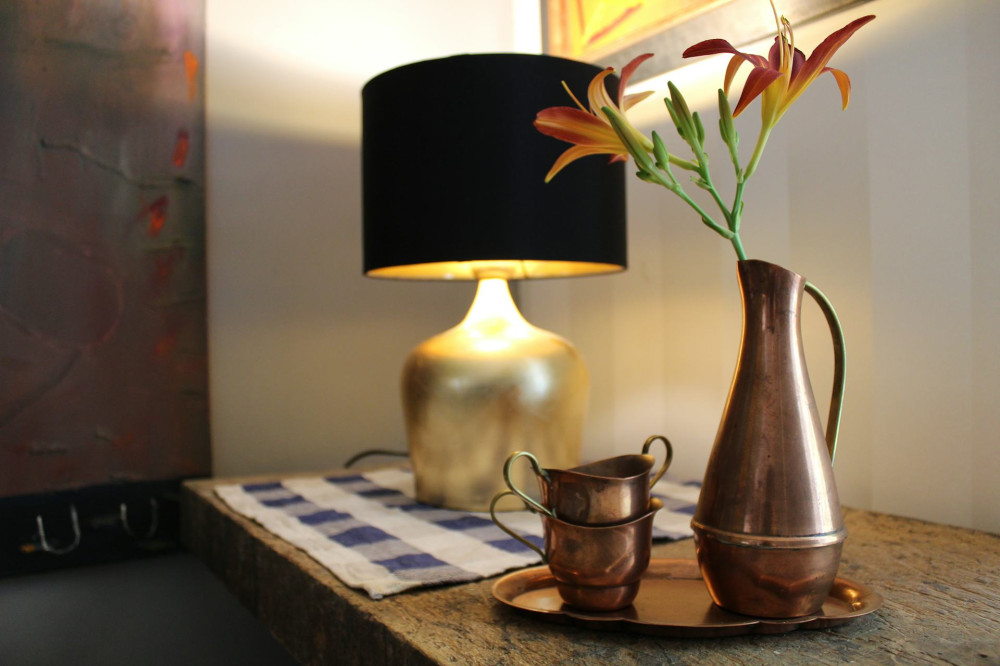
Accent lighting that ties the rooms together

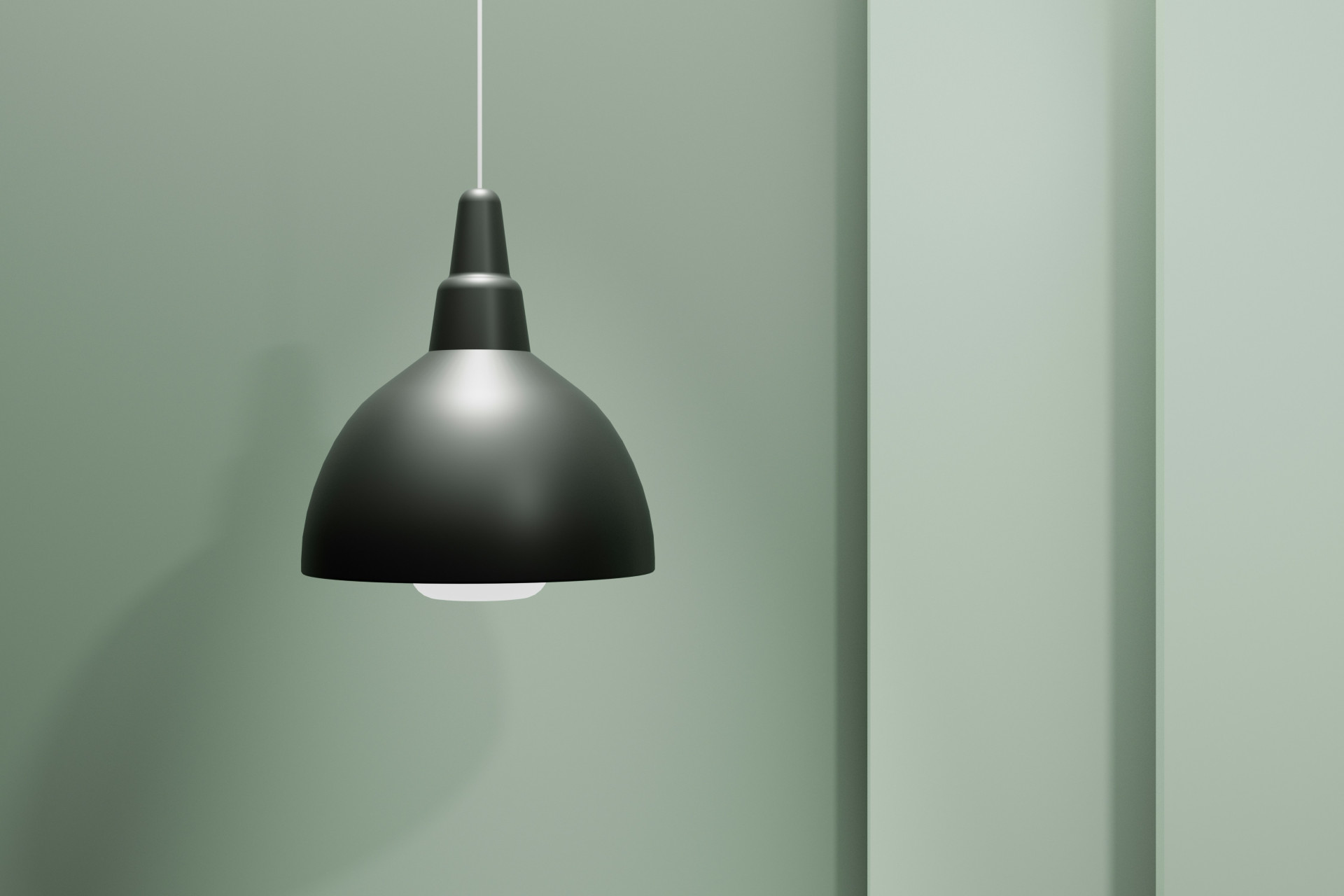
Accent lighting that ties the rooms together
Lighting in a home is about far more than simply being able to see where you’re going. It shapes atmosphere, highlights details, and can make the different rooms feel connected in a natural way. Accent lighting – those small, focused light sources that draw attention to specific areas or features – is one of the most effective tools for creating cohesion and character throughout your home. Here’s how you can use accent lighting to tie your rooms together and give your interior a harmonious flow.
What is accent lighting?
Accent lighting is the type of light used to highlight something special – a wall, a painting, a plant, or an architectural feature. While general lighting ensures the room is evenly lit and ambient lighting sets the mood, accent lighting adds the finishing touch. It introduces depth and direction, making a space feel more dynamic and layered.
A well-designed lighting scheme usually combines three layers: general, ambient, and accent lighting. When these are balanced thoughtfully, the result is both functional and visually appealing.
Creating flow between rooms
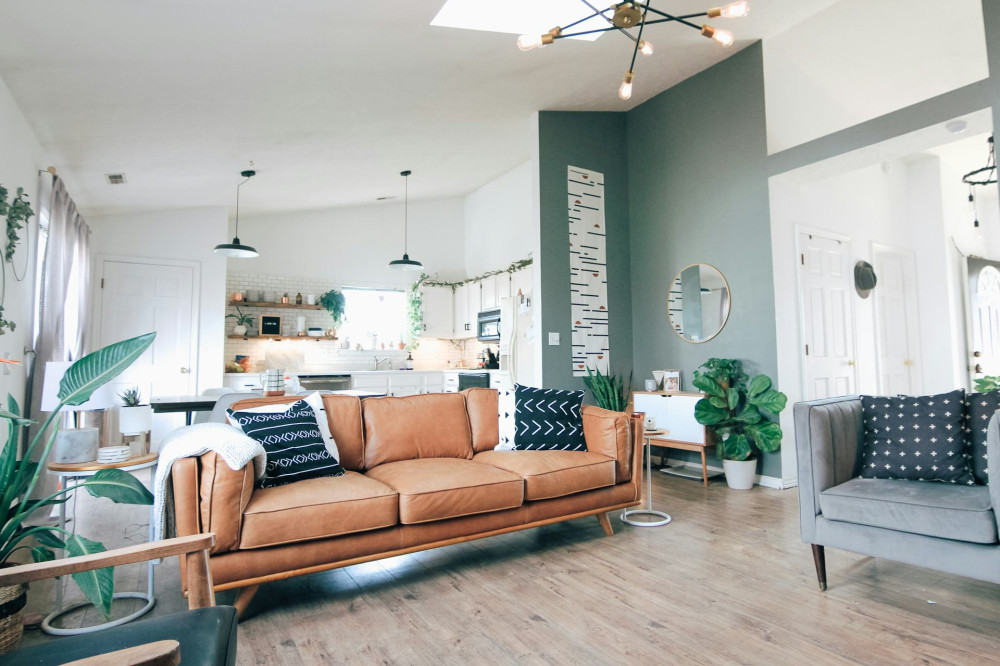
In many British homes, open-plan living has become increasingly popular – kitchens, dining areas, and lounges often merge into one large space. Accent lighting can help create visual unity without blurring the distinct purposes of each area.
- Repeat design elements: Use fixtures from the same range or with similar materials across different rooms. This creates a visual thread, even if the brightness or direction of the light varies.
- Play with direction: If you use spotlights to highlight artwork in the living room, consider echoing that idea in the hallway or kitchen – perhaps with a different angle or colour temperature.
- Guide the eye: Position lights so they naturally lead the eye from one space to the next. A line of wall lights or recessed spots can act as a subtle pathway through the home.
When the lighting feels cohesive, the entire home appears calmer and more considered.
Highlight what matters most
Accent lighting isn’t just about aesthetics – it’s also about telling a story of what’s important in your home. It might be a bookshelf, a piece of art, a collection of ceramics, or a beautiful plant. By giving these features their own light, you create focus and personality.
A useful tip is to use warm light (around 2700–3000 kelvin) to enhance natural materials like wood and textiles, while cooler light (3500–4000 kelvin) can lend a more contemporary, graphic look. Experiment with angles and distances – small adjustments can completely change the mood.
Læs også:
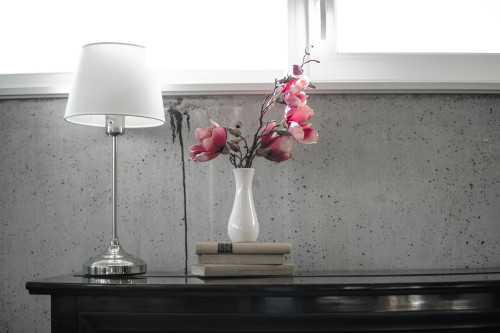
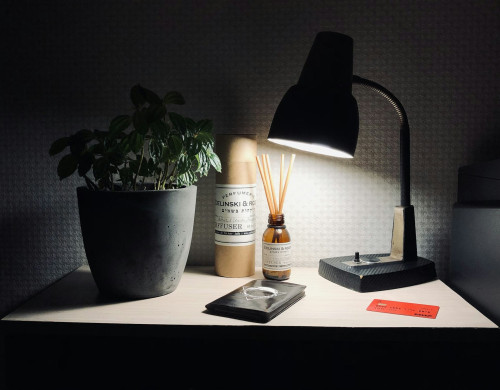
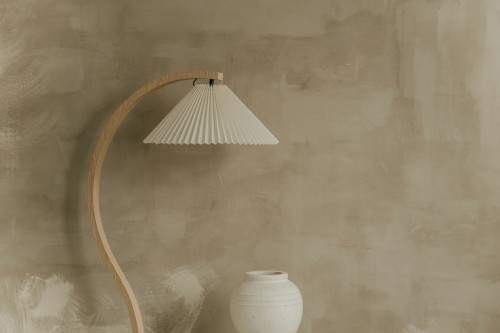
Balancing light and shadow
A room without shadows can feel flat and lifeless. Accent lighting introduces contrast, adding depth and interest. The key is balance – too much contrast can feel harsh, while too little can make the space dull.
Think in zones: where should the eye rest, and where can there be softer, darker areas? By varying brightness between rooms, you can create rhythm and movement that subtly ties the home together.
Practical solutions and technology
Modern lighting technology makes it easier than ever to work with accent lighting. LED spotlights, track systems, and smart bulbs offer flexibility and energy efficiency. With dimmable options or app-based controls, you can adjust the light according to the time of day or activity.
Consider built-in solutions too – lighting within shelving, under cabinets, or in alcoves provides a clean, integrated look that blends seamlessly with the architecture.
A home that feels connected through light
When used thoughtfully, accent lighting becomes the thread that links your rooms together. It creates unity, highlights what’s personal, and gives your home character. It doesn’t necessarily require major investment – often, it’s the small adjustments that make the biggest difference.
Think of light as a story that moves through your home. When each room has its own voice but still speaks the same language, you achieve that special harmony that makes a house truly feel like home.
Læs også: