Motivating Light: How Lighting Affects Your Job Satisfaction

Motivating Light: How Lighting Affects Your Job Satisfaction
The light around us does far more than simply help us see. It shapes our mood, energy, and concentration – and, in turn, our job satisfaction. As more people in the UK work from home or in shared office spaces, it’s worth exploring how lighting can help create a more motivating and comfortable work environment. Here’s how light affects us, and how you can use it to boost your wellbeing and productivity.
Light and Mood – A Biological Connection
Our bodies are guided by a natural circadian rhythm that is strongly influenced by light. Exposure to natural daylight increases the production of serotonin – a neurotransmitter that promotes wellbeing and alertness. Conversely, too little light, especially during the darker British winter months, can lead to fatigue and lower motivation.
It’s no coincidence that many people feel happier and more focused when they work near a window or in a well-lit room. Light signals to the body that it’s time to be active, helping us stay alert and engaged throughout the day.
Læs også:
The Right Brightness for the Task
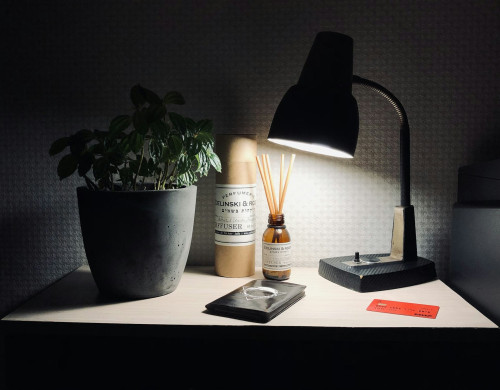
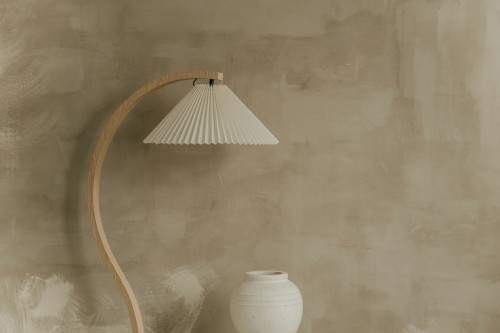
To create a motivating workspace, it’s important to match the brightness of your lighting to the task at hand. Light that’s too harsh can cause strain, while light that’s too dim can make you drowsy and reduce concentration.
- For focused work such as reading, writing, or computer tasks, a neutral white light is ideal. It keeps your mind active without being glaring.
- For creative work, a warmer light can foster a relaxed and inspiring atmosphere.
- For breaks and downtime, softer, warmer light is best – it signals calm and recovery.
A good approach is to combine different light sources so you can adjust the lighting throughout the day as your needs change.
Natural Light – The Best Source of Energy
No artificial light can fully replace the benefits of natural daylight. If possible, position your desk near a window. It not only boosts your energy but also provides a sense of connection to the outside world.
During the darker months, you might consider using a daylight lamp that mimics the spectrum of natural sunlight. Many people in the UK find that it helps combat winter fatigue and supports a more stable energy level throughout the day.
Colour Temperature and Atmosphere
Light doesn’t just vary in brightness – it also has a colour temperature, measured in kelvin (K), which affects how we perceive a space and how we feel in it.
- 2700–3000 K (warm white light) creates a cosy, calming atmosphere – perfect for evenings.
- 3500–4000 K (neutral white light) offers a balanced, natural tone suitable for most work tasks.
- 5000–6500 K (cool white light) resembles daylight and can enhance focus and alertness.
Choosing lamps with adjustable colour temperature allows you to tailor the lighting to both the time of day and your mood.
Avoid Glare and Shadows
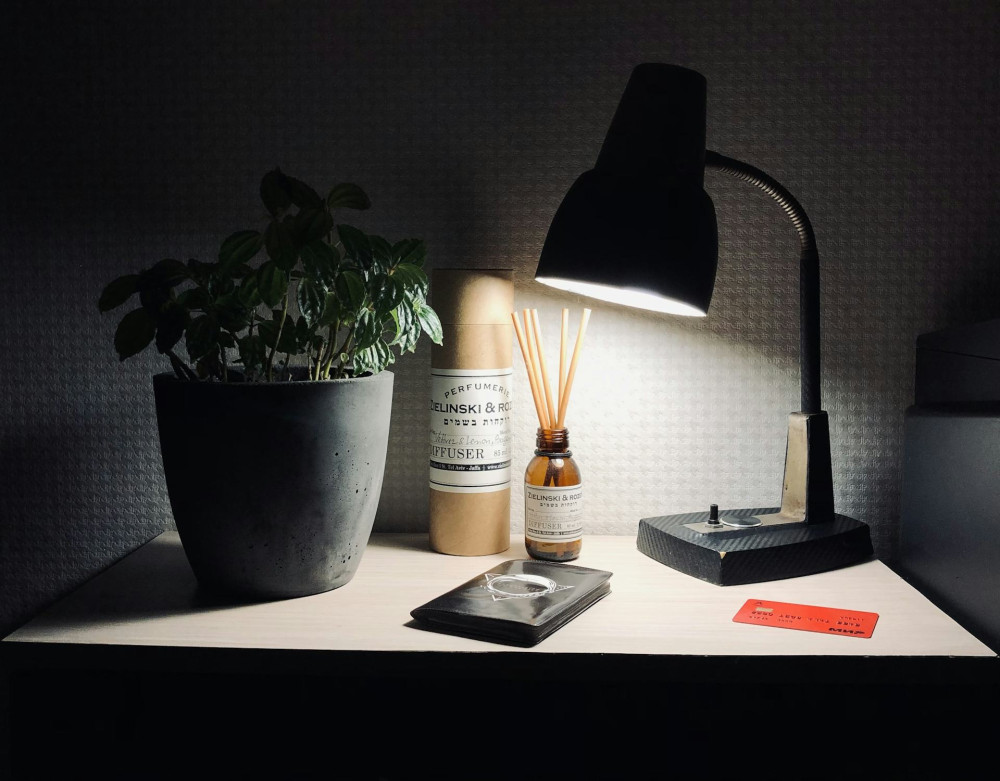
Even the best lighting can be uncomfortable if it’s poorly positioned. Glare from screens or lamps can cause headaches and eye strain. Make sure the light falls at an angle across your workspace, and consider using a lamp with a shade or diffuser to spread the light evenly.
If you work at a computer, avoid having a strong light source directly behind your screen or in your line of sight. A balanced mix of background and task lighting helps reduce eye fatigue and keeps you comfortable for longer.
Create a Mood That Motivates
Lighting isn’t just functional – it’s emotional. A room with warm, inviting light feels more pleasant to be in, and that can make a real difference to your motivation. Try adding smaller light sources that give your space character: a desk lamp, a wall light, or soft indirect lighting behind a shelf.
When you feel comfortable in your surroundings, your motivation and productivity naturally increase. Light, in other words, isn’t just a necessity – it’s a tool for creating job satisfaction.
Light as Part of Everyday Wellbeing
Paying attention to your lighting is a simple yet powerful way to improve your daily life. It doesn’t require major investment – just awareness of how light affects you. Notice when you feel most focused and how the light looks at that time. Small adjustments can make a big difference.
A motivating light environment is ultimately about balance: between function and atmosphere, between energy and calm. Once you find that balance, you’ll discover that light doesn’t just illuminate your workspace – it brightens your mood as well.
Læs også: