Avoid Overheating: How to Use Electric Heaters Safely and Efficiently

Avoid Overheating: How to Use Electric Heaters Safely and Efficiently
Electric heaters can be a convenient and flexible way to warm up a room quickly – especially in home offices, conservatories, or as a backup when central heating isn’t enough. But using them incorrectly can lead to high electricity bills, uneven heating, and even fire hazards. Here’s a guide to help you use electric heaters safely and efficiently, so you can stay warm without risking overheating or wasting energy.
Know Your Electric Heater
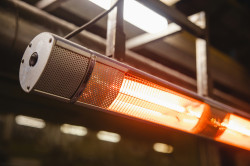
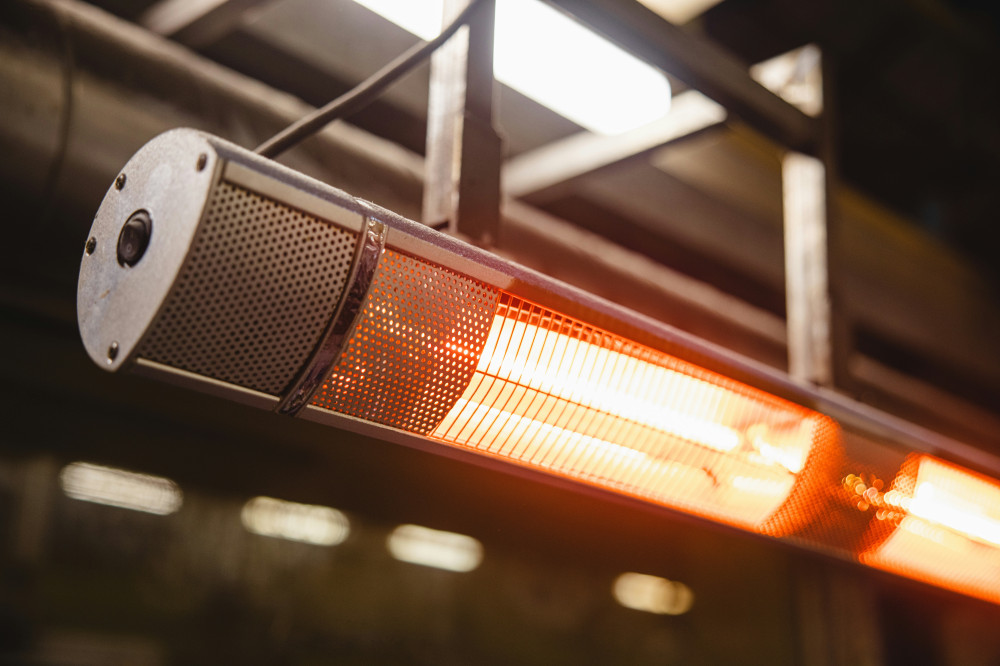
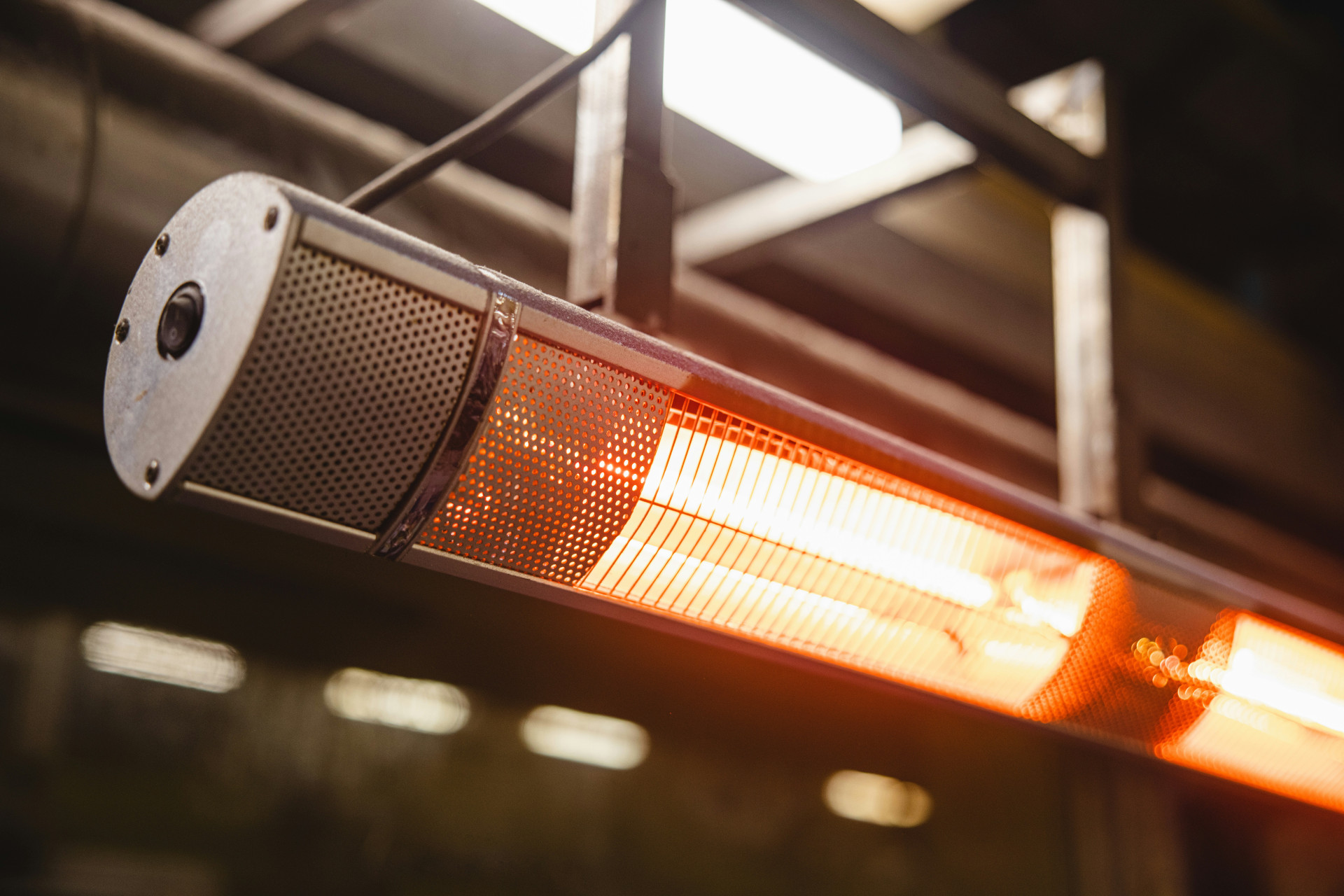
Electric heaters come in many forms – from wall-mounted panels to portable fan or oil-filled models. They all work by converting electricity directly into heat, which means they can warm a space quickly but can also consume a lot of power if left on for long periods.
Always check what type of heater you have and read the manufacturer’s instructions. Some models include built-in thermostats and overheat protection, while others require manual control. If your heater is old, consider having it inspected or replacing it with a newer, more energy-efficient model that meets current UK safety standards (look for the UKCA or CE mark).
Placement Matters
Where you place your heater has a big impact on both safety and performance. Never position it too close to furniture, curtains, or other flammable materials – there should usually be at least 30 centimetres of clearance all around.
Avoid covering the heater with clothes or blankets, as this can block airflow and cause overheating. If you’re using a portable model, make sure it stands on a flat, stable surface and that the power lead doesn’t create a trip hazard. Keep heaters away from water sources such as sinks or bathtubs, unless they are specifically designed for bathroom use.
Use the Thermostat Wisely
A heater with a thermostat helps maintain a steady temperature and prevents unnecessary energy use. Set it to a comfortable level – around 20–21°C in living areas and 17–18°C in bedrooms is usually sufficient.
Don’t turn the thermostat to maximum in the hope of heating the room faster. The heater will run at full power until the set temperature is reached, so setting it higher won’t speed things up – it will just waste energy and risk overheating.
Prevent Overheating and Fire Risks
Overheating can occur if the heater doesn’t have enough ventilation or is used in an unsuitable environment. Always keep air vents clear and avoid placing the heater in direct sunlight or near other heat sources such as cookers or fireplaces.
Check the plug and cable regularly for signs of wear or damage. If you notice a burning smell, discolouration, or the heater feels unusually hot, switch it off immediately and have it checked by a qualified electrician. Never use extension leads with high-powered heaters – they can overheat and pose a fire risk.
Læs også:
Save Energy Without Losing Warmth
Electric heaters are easy to use but can be one of the most expensive ways to heat your home. A few simple habits can help you stay warm while keeping costs down:
- Use the heater only when needed. Turn it off when you leave the room, or use a timer or smart plug to control operating hours.
- Improve insulation. Seal gaps around windows and doors to prevent heat loss.
- Combine with other heating sources. Use your central heating for background warmth and the electric heater for short bursts of extra heat.
- Make the most of the heat. Close curtains at night and keep the area around the heater clear for better air circulation.
Maintenance and Cleaning
Dust and dirt can reduce efficiency and increase the risk of overheating. Always switch off and unplug the heater before cleaning. Wipe it with a dry or slightly damp cloth – never use water directly on the appliance. Use a vacuum cleaner to gently remove dust from vents and grills.
If you use the heater regularly, test the thermostat occasionally to ensure it’s working properly. If it doesn’t respond as expected, have it repaired or replaced.
Warmth with Care
Electric heaters can be a safe and effective way to stay comfortable during cold spells, as long as they’re used responsibly. By placing them correctly, using the thermostat sensibly, and keeping them clean and well-maintained, you can enjoy reliable warmth without the risk of overheating or unnecessary energy costs.
Læs også: