Safety Valves and Expansion Vessel – How to Check Your Heating System

Safety Valves and Expansion Vessel – How to Check Your Heating System
A well-functioning heating system is essential for both comfort and safety in your home. Yet many homeowners forget that the system needs regular checks – especially the safety valve and the expansion vessel. These two components play a key role in keeping the pressure stable and preventing damage to the boiler and pipework. Here’s a practical guide on how to check them and what to look out for.
Why the Safety Valve Matters
The safety valve is your heating system’s last line of defence against overpressure. If the pressure inside the system becomes too high – for example, when water expands as it heats up – the valve releases a small amount of water to relieve the pressure and protect the system.
A faulty or blocked valve can lead to serious issues such as burst pipes or a damaged boiler. That’s why it’s important to check it at least once a year, ideally during your annual boiler service.
How to Test the Safety Valve
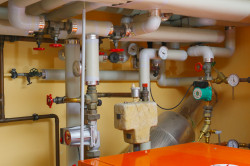
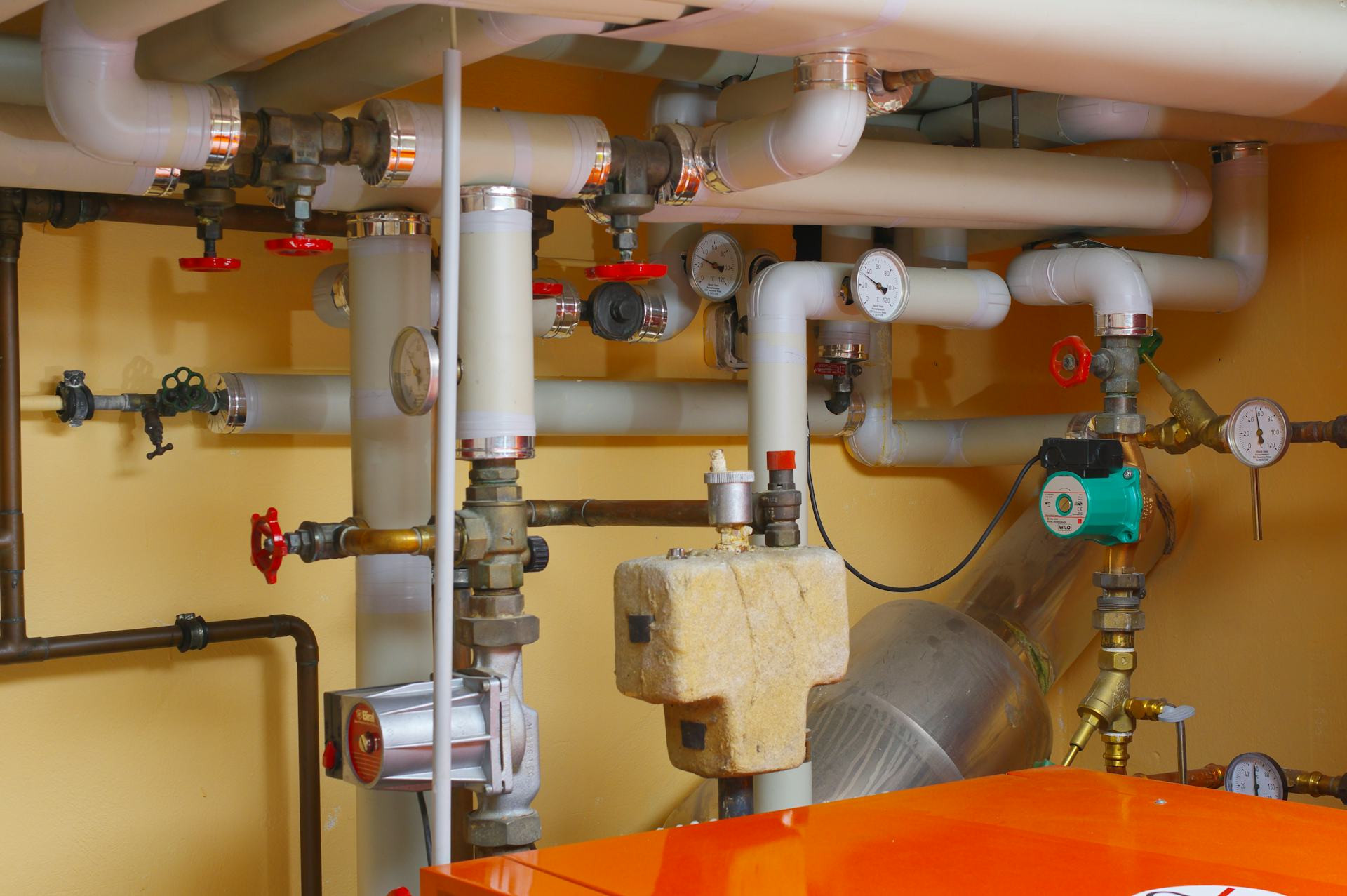
- Locate the valve – it’s usually found near the boiler and connected to a small discharge pipe that leads outside.
- Gently lift or turn the test lever – a small amount of water should flow out through the discharge pipe. This shows that the valve isn’t stuck.
- Release the lever – the water should stop flowing. If it continues to drip, the valve may be worn and should be replaced.
Be careful when testing, as the water may be hot. Use a cloth or gloves to protect your hands.
The Expansion Vessel – Your System’s Pressure Buffer
The expansion vessel helps maintain stable pressure in the heating system as the water expands when heated. It consists of two chambers separated by a rubber diaphragm: one side contains water, the other air or gas.
If the diaphragm loses its flexibility or the air pressure drops, the system may experience pressure fluctuations. This can cause the safety valve to discharge frequently or lead to uneven heating in your radiators.
How to Check the Expansion Vessel
- Turn off the heating system and allow it to cool down.
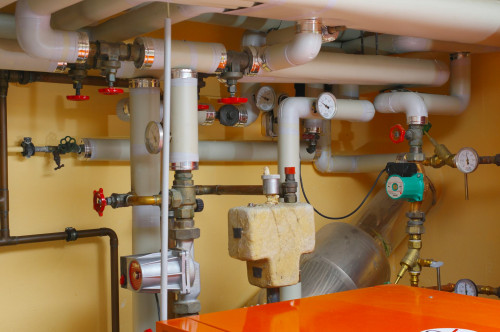
- Check the pressure gauge – when the system is cold, it should typically read between 1 and 1.5 bar.
- Tap the vessel lightly – one half should sound hollow (air), the other dull (water). If the whole vessel sounds full, the diaphragm may be damaged.
- Check the air pressure – on top of the vessel there’s a valve similar to a bicycle tyre valve. Use a pressure gauge to measure it. It should usually be around 0.8–1 bar, but always check the manufacturer’s instructions.
If the pressure is too low, you can add air using a standard bicycle pump. If the pressure drops again quickly, the diaphragm is likely leaking and the vessel should be replaced.
Læs også:
Signs That Something’s Wrong
There are several warning signs that may indicate problems with the safety valve or expansion vessel:
- Water constantly dripping from the safety valve’s discharge pipe.
- The pressure gauge fluctuates significantly – from too low to too high.
- Radiators not heating evenly, or you frequently need to top up the system with water.
If you notice any of these symptoms, contact a qualified heating engineer. It could mean that parts of your system need servicing or replacement.
Preventive Maintenance
Your heating system will last longer and run more efficiently if it’s maintained regularly. Here are some good habits to adopt:
- Check the pressure a few times a year, especially before the heating season.
- Test the safety valve annually to ensure it’s not seized.
- Have the system serviced by a Gas Safe registered engineer, who can inspect the expansion vessel and adjust the pressure correctly.
- Watch for leaks around valves and pipe joints – small drips can turn into bigger problems.
A few simple checks now and then can save you from costly repairs and unexpected breakdowns.
A Safe and Efficient Heating System
When the safety valve and expansion vessel are working properly, your heating system runs smoothly and safely. You’ll avoid pressure surges, water loss, and unnecessary wear on the boiler. That means a warmer, more comfortable home, lower energy bills, and a longer lifespan for your system.
So next time you’re near your boiler, take a few minutes to check these two small but vital components. It’s a simple routine that can make a big difference.
Læs også: