Underfloor Heating and Comfort: Why the Warmth Feels Different

Underfloor Heating and Comfort: Why the Warmth Feels Different
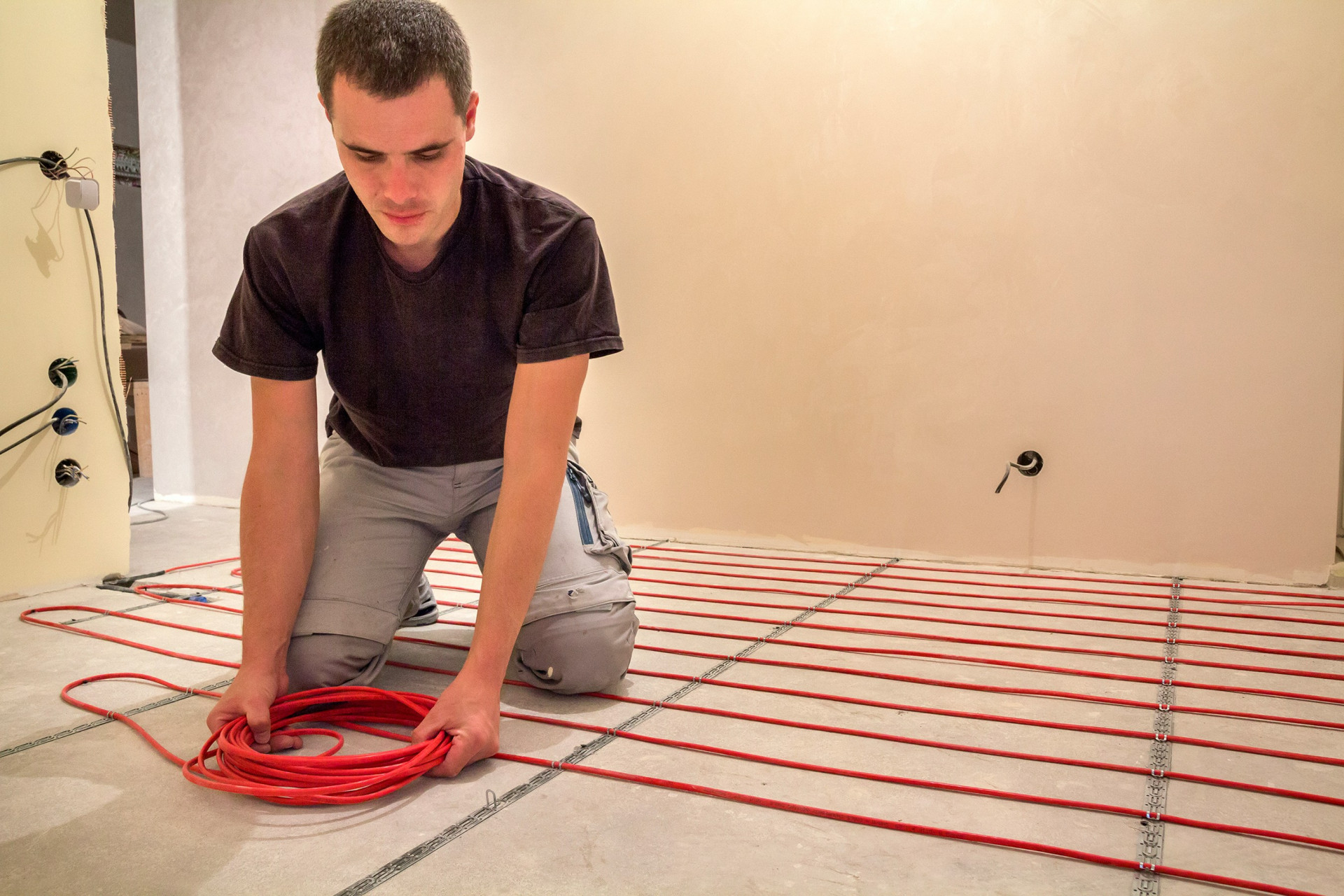
Step into a room with underfloor heating, and you notice it straight away – a gentle, even warmth that feels different from the heat produced by radiators. It’s not just your imagination; there are real physical reasons why underfloor heating feels more comfortable, even at lower temperatures. Here’s a closer look at what makes this type of heating so special, and why it’s becoming a popular choice in British homes.
Warmth from the Ground Up
Traditional radiators heat the air around them, which then rises towards the ceiling. This often leaves the air near your feet cooler than the air around your head. Underfloor heating works the other way around: warmth starts at floor level and spreads evenly upwards through the room. The result is a consistent temperature that feels natural and comfortable across your whole body.
Because the heat is distributed so evenly, you can often lower the thermostat by a degree or two without losing comfort. The body perceives warmth more pleasantly when it radiates gently from below and surrounds you evenly.
Radiant Heat, Not Just Hot Air
One of the biggest differences between underfloor heating and radiators is how the heat is transferred. Radiators mainly warm the air, which then circulates around the room. Underfloor heating, on the other hand, emits radiant heat – the same kind of warmth you feel from the sun on a mild spring day.
Radiant heat feels more natural because it warms surfaces and people directly, rather than relying on moving air. This means fewer draughts and less dust being stirred up, which can be a real benefit for allergy sufferers.
Comfort Also Means Better Air Quality
When air is heated quickly, as with radiators or fan heaters, it can become dry, which may irritate skin and airways. Underfloor heating operates at lower temperatures, helping to maintain a more stable humidity level. This creates a healthier indoor climate and a sense of calm comfort.
The even distribution of heat also eliminates cold spots and draughts, which is particularly noticeable in rooms with large windows or high ceilings – common features in many modern British homes.
Energy Efficiency and Practical Considerations
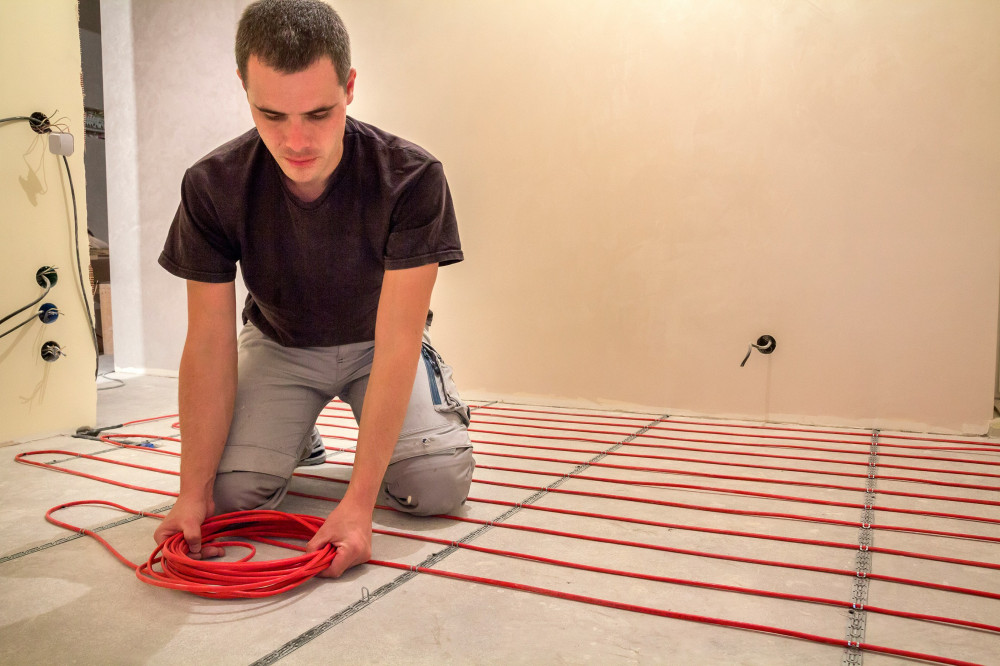
Underfloor heating isn’t just about comfort; it can also be energy-efficient when used correctly. Because it works at lower water temperatures, it pairs well with modern heating systems such as air-source or ground-source heat pumps. The even warmth means you can achieve the same level of comfort while using less energy overall.
However, underfloor heating does require some planning. It responds more slowly than radiators, as it takes time for the floor to heat up and cool down. This makes it ideal for homes where a steady temperature is maintained, rather than spaces where you frequently turn the heating on and off.
Choosing the Right Flooring
Not all flooring materials conduct heat equally well. Tiles, stone, and polished concrete are excellent choices because they transfer heat efficiently. Wooden floors can also work beautifully, but they need to be chosen carefully – thicker boards or certain types of wood may expand or contract with temperature changes. Carpets and thick underlays can reduce heat transfer, so it’s worth selecting materials designed for use with underfloor systems.
Planning the flooring and heating system together ensures the best performance and comfort.
Læs også:


Silent, Invisible Warmth
Another advantage many homeowners appreciate is the silence. Underfloor heating operates quietly and invisibly – no clanking pipes, no humming fans, and no radiators taking up wall space. This not only makes cleaning easier but also gives rooms a more open, uncluttered look. The warmth simply exists, without drawing attention to itself.
Why It Feels Different
Underfloor heating is about more than just technology – it’s about how warmth is experienced. The combination of even temperature, gentle radiant heat, and stable air quality creates a sense of comfort that feels softer and more natural. It’s warmth that fills the room rather than blowing from a corner.
Once you’ve lived with it, many find it hard to imagine going back.
Læs også: